Transmission Infrastructure Key To India’s Energy Security Goals: ESSCI
Updated: May 26, 2026 01:53:35pm

Transmission Infrastructure Key To India’s Energy Security Goals: ESSCI
New Delhi, May 26 (KNN) As geopolitical tensions continue to disrupt global energy markets, particularly in West Asia, India is increasingly viewing energy transition through the lens of strategic self-sufficiency rather than environmental sustainability alone, according to the Electronics Sector Skills Council of India (ESSCI).
The council noted that nearly 40 percent of India's crude oil imports pass through the Strait of Hormuz, making the country vulnerable to supply disruptions and highlighting the importance of reducing dependence on imported fossil fuels.
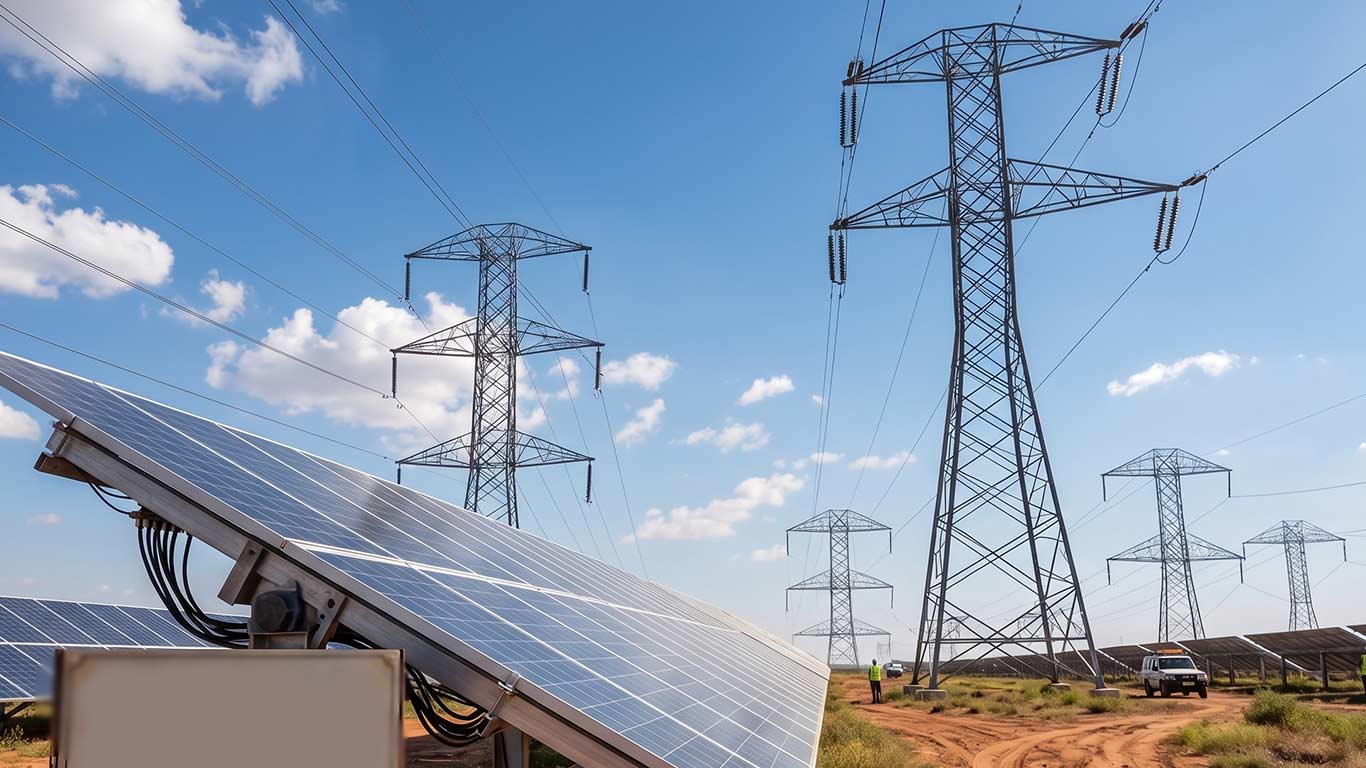
Transmission Infrastructure Key To Renewable Energy Expansion
ESSCI said that while India has made significant progress in expanding renewable energy generation, long-term energy security will depend equally on the creation of a strong and resilient transmission network capable of delivering renewable power from generation centres to demand hubs across the country.
India's power sector has witnessed substantial improvements over the last decade, with energy shortages declining from over 4.2 percent in 2013-14 to just 0.03 percent in 2025-26. Peak electricity demand has crossed 242 GW, while the national grid continues to maintain system availability above 99 percent.
The country's installed power generation capacity has surpassed 509 GW, with non-fossil fuel sources accounting for more than half of the total. India has already achieved 50 percent non-fossil installed capacity and is targeting 60 percent by 2035, alongside a 47 percent reduction in emissions intensity from 2005 levels by 2030.
However, ESSCI pointed out that renewable energy generation is geographically concentrated, with solar resources largely located in Rajasthan and Gujarat and wind energy concentrated in Tamil Nadu and Karnataka. Without adequate transmission infrastructure, a significant portion of renewable power could remain underutilised.
To address this challenge, India has expanded its transmission network by more than 71 percent since April 2014, adding over 2.09 lakh circuit kilometres and taking the total network beyond 5 lakh circuit kilometres. More than 8,800 circuit kilometres of transmission lines were added during the last fiscal year alone.
Green Energy Corridors Strengthen Grid Connectivity
The council highlighted the role of Green Energy Corridor and Intra-State Transmission System projects across eight renewable-energy-rich states, which are facilitating the integration of nearly 40 GW of renewable power into the national grid.
ESSCI also underscored the growing participation of rural India in the energy transition, with farmers increasingly hosting solar parks, wind projects and transmission infrastructure on their land.
According to the council, this marks a shift from food security-driven development to a broader role in supporting national energy security.
The expansion of renewable electricity is expected to support electric mobility, industrial electrification and household energy consumption while reducing reliance on imported crude oil and liquefied natural gas.
Looking ahead, ESSCI stressed the need for proactive grid planning. India's Inter-State Transmission System expansion plan envisages the addition of 67,000 circuit kilometres of transmission lines and 600,000 MVA of transformation capacity by 2031.
The council cautioned that transmission infrastructure often takes longer to plan and build than generation projects, making advance investments essential to avoid future bottlenecks.
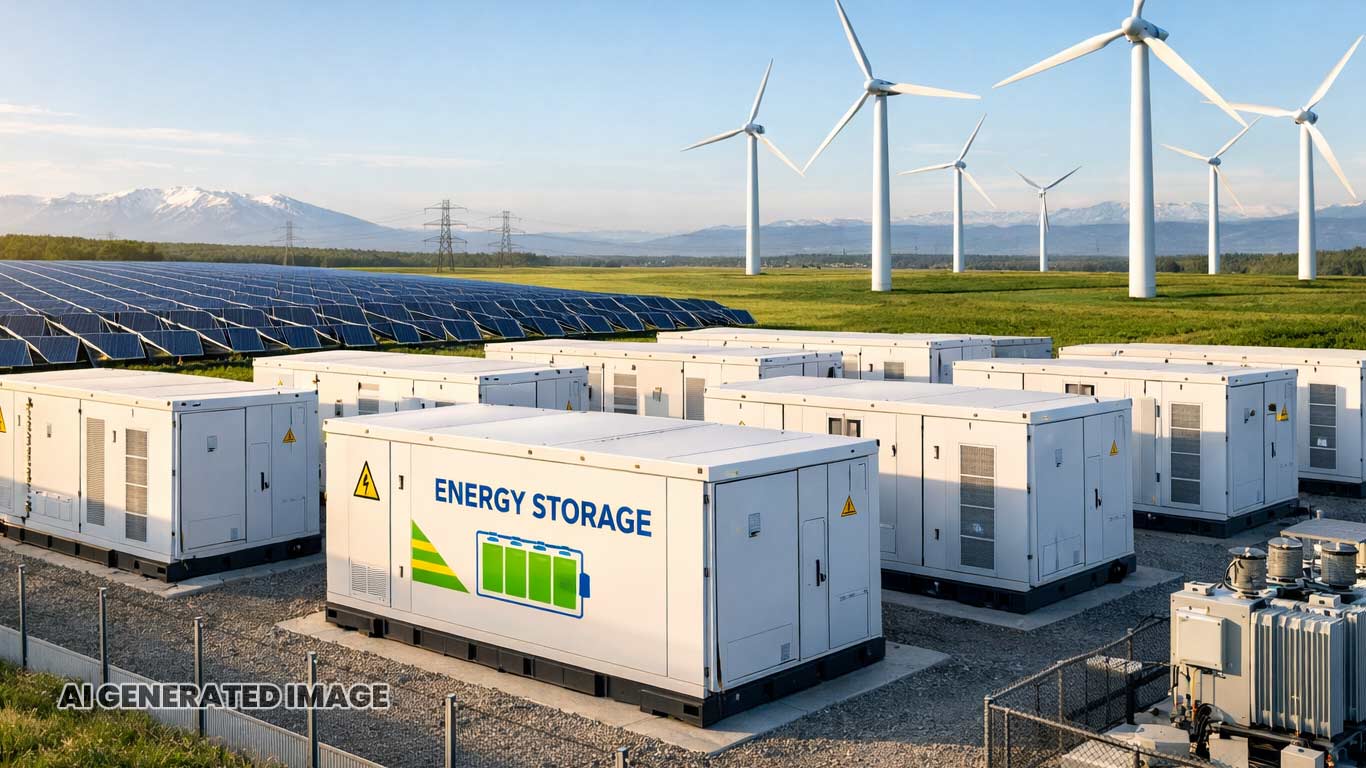
As India progresses towards round-the-clock renewable energy systems integrating solar, wind and energy storage technologies, ESSCI said a modern, flexible and intelligent grid will be critical to ensuring reliable power supply and maximising the benefits of renewable energy investments.
(KNN Bureau)








 Loading...