Delhi’s EV-Only Two-Wheeler Plan Triggers Industry Pushback
Updated: Jun 24, 2026 05:07:29pm

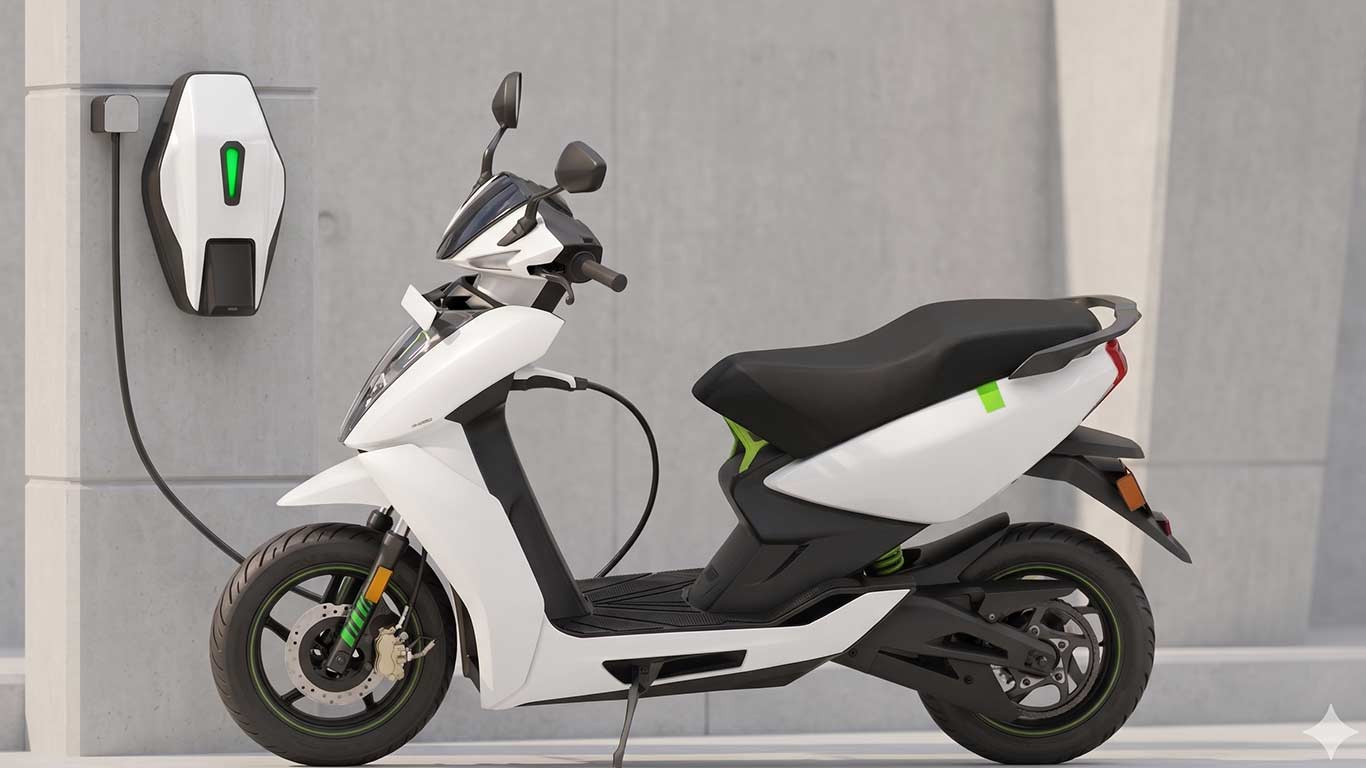
Delhi’s EV-Only Two-Wheeler Plan Triggers Industry Pushback
New Delhi, Jun 24 (KNN) Delhi’s draft EV Policy 2026 proposes restricting new two-wheeler registrations to electric vehicles from April 1, 2028, a move that has prompted Society of Indian Automobile Manufacturers (SIAM) and the Federation of Automobile Dealers Associations (FADA) to urge the state government to reconsider the proposal.
SIAM's Case Against the Ban
In its representation to Chief Minister Rekha Gupta, SIAM argued that modern BS-VI compliant two-wheelers fitted with electronic port fuel injection and three-way catalytic converters emit negligible particulate matter — the primary pollutant affecting Delhi's air quality. Restricting registrations of such vehicles would therefore have limited pollution impact, the automobile industry body said, according to ET.
SIAM instead called for policy focus to shift towards scrapping older, highly polluting vehicles.
It noted that pre-BS-IV two-wheelers more than 10 to 15 years old account for nearly 99.5 per cent of particulate matter emissions from the two-wheeler segment, and urged the government to reorient the policy towards phasing out ageing vehicles rather than blocking newer, cleaner models.
FADA Warns of Demand Migration
FADA chief executive Saharsh Damani called for a gradual and staggered transition, cautioning that an outright ban on new internal combustion engine two-wheeler registrations in Delhi could simply redirect demand to neighbouring regions rather than meaningfully accelerate EV adoption.
"Even if ICE two-wheelers are banned in Delhi, sales may simply migrate elsewhere. A staggered approach to implementation would be more practical and less disruptive," he said, adding that policymakers should account for the impact on consumers, workshops and the broader automotive ecosystem, ET reported.
Industry bodies have maintained that the policy should reflect market realities and avoid disrupting dealers, consumers and service networks while pursuing the goal of higher EV penetration.
(KNN Bureau)






 Loading...


