Delhi Well-Placed For Clean Energy Shift But Faces Demand Pressures: IEEFA–Ember Report
Updated: Aug 06, 2026 04:11:13pm

Delhi Well-Placed For Clean Energy Shift But Faces Demand Pressures: IEEFA–Ember Report
New Delhi, Aug 6 (KNN) Delhi’s power sector has built a strong foundation for a transition to clean energy, supported by reliable electricity supply, efficient distribution companies (DISCOMs), and enabling policy frameworks, a new study by the Institute for Energy Economics and Financial Analysis (IEEFA) and Ember said.
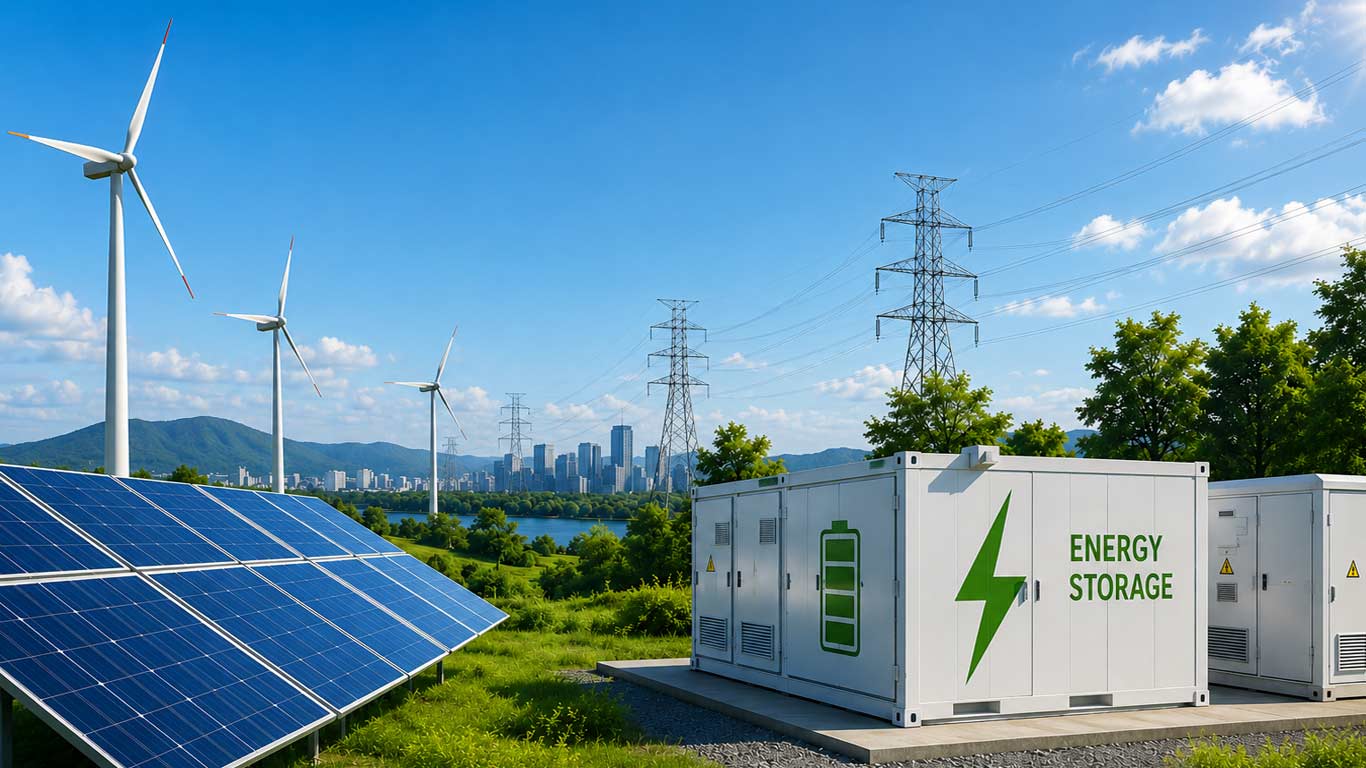
However, meeting rapidly growing electricity demand while reducing emissions will require greater focus on distributed renewable energy, energy storage, and demand-side flexibility, it added.
Unique Constraints Shape Transition Path
The report, ‘Delhi’s electricity transition challenges and opportunities: A SCOPE study’, noted that Delhi faces structural constraints such as limited land and restricted scope for large-scale generation, even as demand rises due to cooling, commercial expansion, and transport electrification.
The study assesses the transition using the SCOPE framework—Strengths, Complexities, Opportunities, Policies, and Enablers.
Rising Demand and Grid Pressures
While Delhi has met record peak electricity demand in recent years, rising night-time peaks could strain grid reliability, the report said, highlighting the need for investments in battery storage, dynamic pricing, and demand-side management to curb dependence on fossil fuel-based power.
Dependence on External Power Supply
Unlike many states, Delhi generates only a small share of its electricity and depends heavily on allocations from central generating stations and purchases from neighbouring states. As of June 2026, the city had about 7,544 MW of allocated generation capacity, reflecting its reliance on external procurement due to land constraints, the study noted.
Shift Towards Distributed Energy Solutions
The report emphasised that Delhi’s transition will be distinct, with less reliance on large-scale renewables within the city and greater emphasis on clean power procurement, rooftop solar, efficiency, and electricity markets.
It added that Delhi’s energy requirement stood at 38,482 million units (MU) in FY2026—about 2.2 per cent of national demand—with households accounting for over half of consumption.
Opportunities in Rooftop Solar and Policy Support
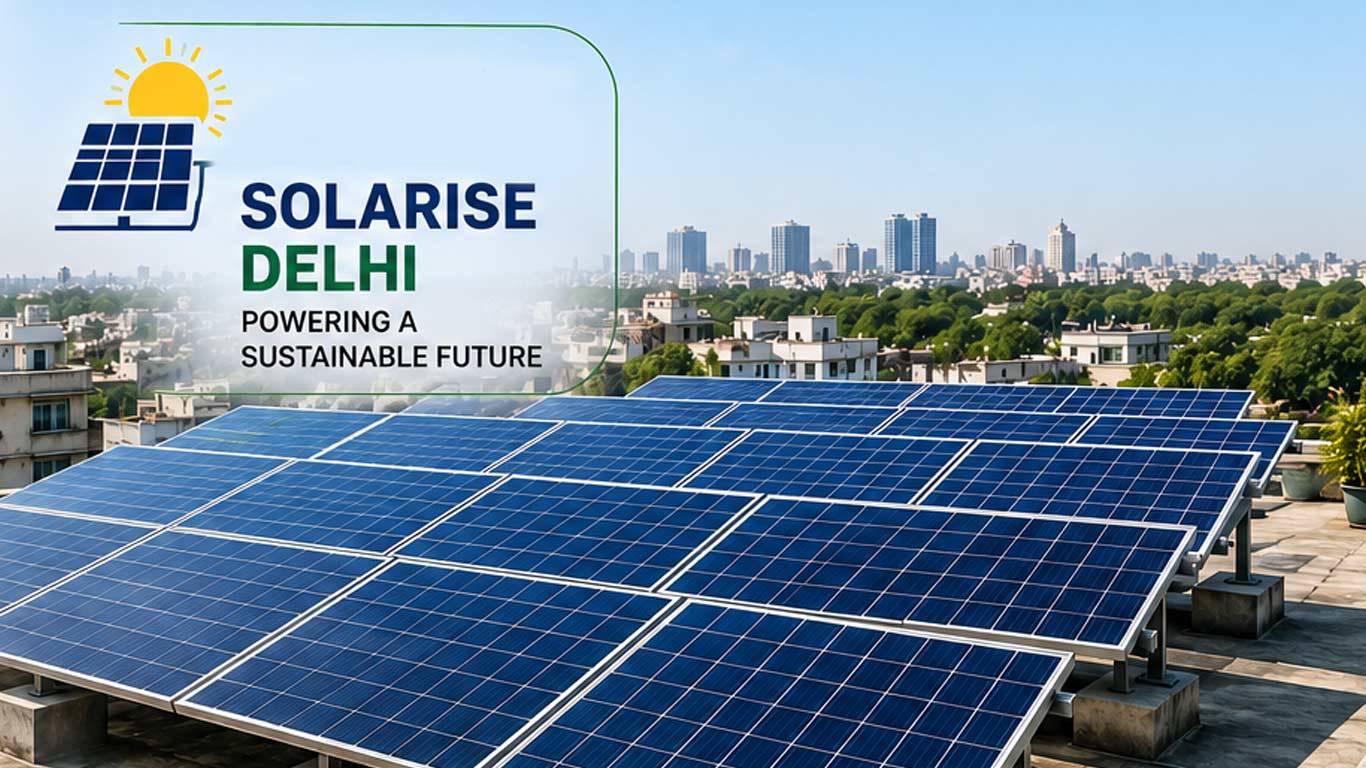
The report identified rooftop solar as a key opportunity, noting that distributed solar capacity reached 446 MW by June 2026. It called for faster expansion through simpler approvals, wider net metering, and sustained incentives under the Delhi Solar Energy Policy and the PM Surya Ghar scheme.
Policy Measures and Future Priorities
The study said Delhi has rolled out measures such as Green Energy Open Access rules, peer-to-peer rooftop solar pilots, and an updated EV policy to boost charging infrastructure. It outlined key priorities for the next phase, including battery storage expansion, energy efficiency, smart metering, time-of-day tariffs, and greater participation in green power markets.
(KNN Bureau)







 Loading...