Maharashtra’s Infrastructure Growth Gets Boost from Reforms: Morgan Stanley
Updated: Jul 26, 2025 05:14:24pm


Maharashtra’s Infrastructure Growth Gets Boost from Reforms: Morgan Stanley
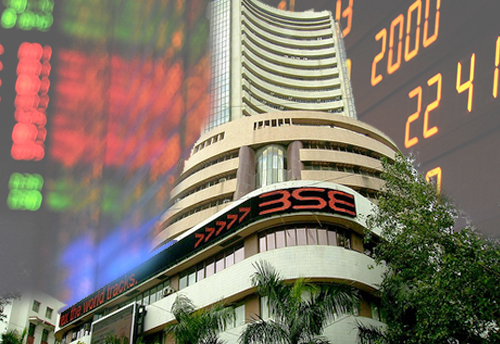
Mumbai, Jul 26 (KNN) Maharashtra, India’s largest state economy, is set for robust infrastructure growth, driven by a series of strong reform measures and strategic investments, according to a report by Morgan Stanley.
The state, with a gross state product (GSDP) of USD 536 billion, contributes nearly 13.7% to the national GDP. Analysts project that Maharashtra is on track to become a USD 1 trillion economy by 2030.
Currently, the state has over 30 mega infrastructure projects underway, aimed at enhancing connectivity and economic productivity.
These include metro rail projects in Mumbai, Pune, and Nagpur worth USD 21.8 billion, the Navi Mumbai International Airport (USD 2.4 billion), and the Vadhavan Port project (USD 8.8 billion). Road and highway upgrades are also being undertaken on a large scale.
Maharashtra’s government is implementing pro-business reforms such as single-window clearance systems, which simplify project approvals and attract greater private sector participation.
These measures are expected to draw large-scale investments and improve the state’s ease of doing business significantly.
The state’s long coastline of around 720 km is home to key ports like the Mumbai Port and Jawaharlal Nehru Port.
The proposed Vadhavan Port in Palghar district, worth Rs 76,200 crore, is expected to handle 298 million tonnes annually and create nearly 1 million jobs, both direct and indirect.
Maharashtra’s debt stood at just 18.5% of its GDP in FY25, making it one of the least leveraged states in India. Its disciplined fiscal and revenue management policies have created a strong base for long-term infrastructure development without compromising social spending.
Despite the progress, Morgan Stanley warns of persistent challenges such as regional inequalities, environmental concerns, traffic congestion, pollution, housing shortages, and climate-related risks.
(KNN Bureau)








 Loading...