Fragile US-Iran Peace Deal Poses Risks To Inflation, Trade: RBI Bulletin
Updated: Jun 23, 2026 01:36:05pm

Fragile US-Iran Peace Deal Poses Risks To Inflation, Trade: RBI Bulletin
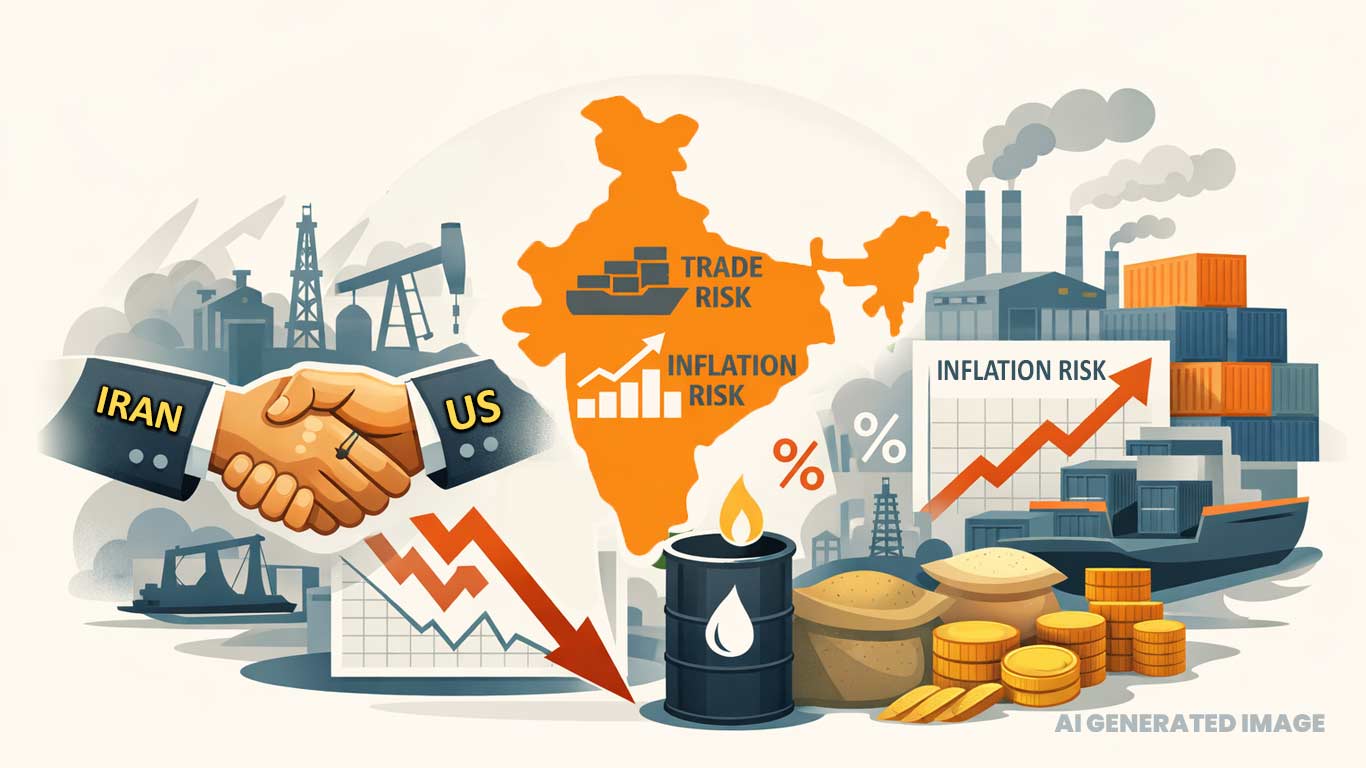
New Delhi, Jun 23 (KNN) Uncertainties surrounding the interim U.S.-Iran peace agreement continue to pose risks to the global economy and could impact India through trade, commodity prices, capital flows and cost pressures, according to the June edition of the Reserve Bank of India's (RBI) Bulletin.
In its State of the Economy article, RBI officials noted that although the temporary ceasefire in West Asia has provided some relief, the global economic environment remains fragile.
The bulletin warned that any collapse of the U.S.-Iran peace agreement could revive major risks, including higher inflation expectations, disruptions to critical energy infrastructure, delayed investments, food security concerns, financial instability and weaker global growth.
India Better Positioned to Absorb External Shocks
Despite global uncertainties, India remains better positioned than many economies to withstand external shocks, backed by strong macroeconomic fundamentals, including sustained growth, anchored inflation expectations, fiscal consolidation, a manageable current account deficit and comfortable forex reserves.
The economy expanded 7.8 percent in Q4 FY26, with high-frequency indicators suggesting resilience continued into the first two months of FY27.
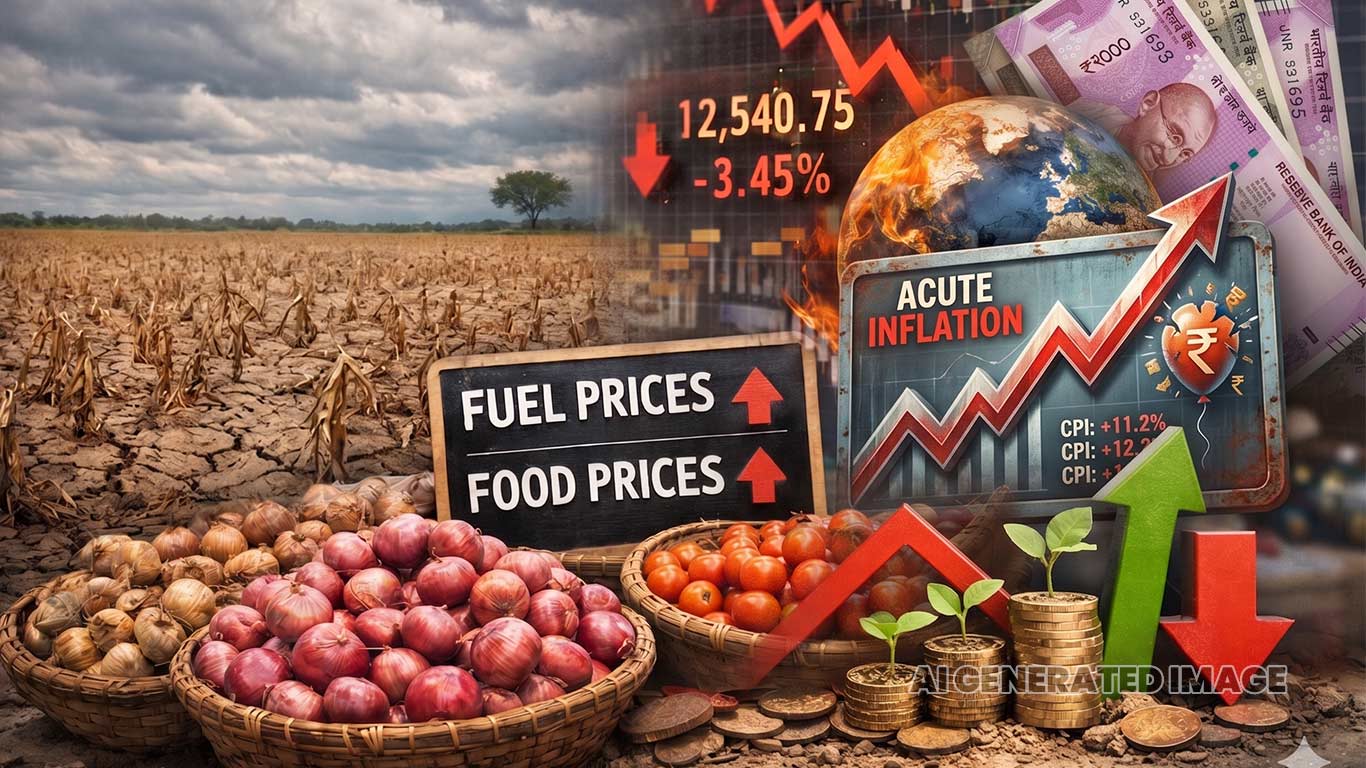
However, the bulletin noted that the West Asia conflict had begun to push up domestic prices, with headline CPI inflation rising to 3.9 percent in May from 3.5 percent in April due to higher food, fuel and core inflation.
Food Prices Witness Broad-Based Increase
The bulletin noted that food inflation accelerated across most categories, except pulses, due to seasonal summer trends and supply-side pressures.
Daily price data up to June 18 showed that the broad-based rise in food prices continued into June, with increases in rice, wheat, major pulses, key vegetables such as potato, onion and tomato, as well as edible oils.
Fuel Costs Add to Inflationary Pressures
Fuel inflation strengthened amid global energy supply disruptions, with elevated crude prices prompting cumulative hikes of about Rs 7.5 per litre for petrol and Rs 7.6 per litre for diesel in May, alongside a Rs 29 increase in domestic LPG prices in June after a Rs 60 hike in March.
However, the bulletin noted that Indian households still pay among the lowest cooking gas prices globally, as the government and oil marketing companies absorb a large share of higher international costs, with OMCs incurring under-recoveries of around Rs 700 per LPG cylinder.
Wholesale Inflation Accelerates Sharply
Wholesale inflationary pressures also intensified, with WPI inflation rising to 9.7 percent in May from 8.3 percent in April, the highest under the revised base series since April 2024.
Fuel and power inflation surged to 30.3 percent, while industrial and agricultural input cost inflation climbed to 16.7 percent and 8.9 percent, respectively, reversing February's deflationary trend.
Monsoon Risks Could Complicate Outlook
The RBI also flagged weather-related risks, warning that an adverse south-west monsoon could further complicate the domestic growth and inflation outlook.
While cautioning against evolving geopolitical and climatic uncertainties, the bulletin emphasised that India's resilient macroeconomic fundamentals provide an important buffer against external shocks.
(KNN Bureau)





 Loading...