GST Council Recommends Process Reforms to Simplify Compliance, Speed Up Refunds, Reduce Litigation
Updated: Oct 09, 2026 03:11:47pm

GST Council Recommends Process Reforms to Simplify Compliance, Speed Up Refunds, Reduce Litigation
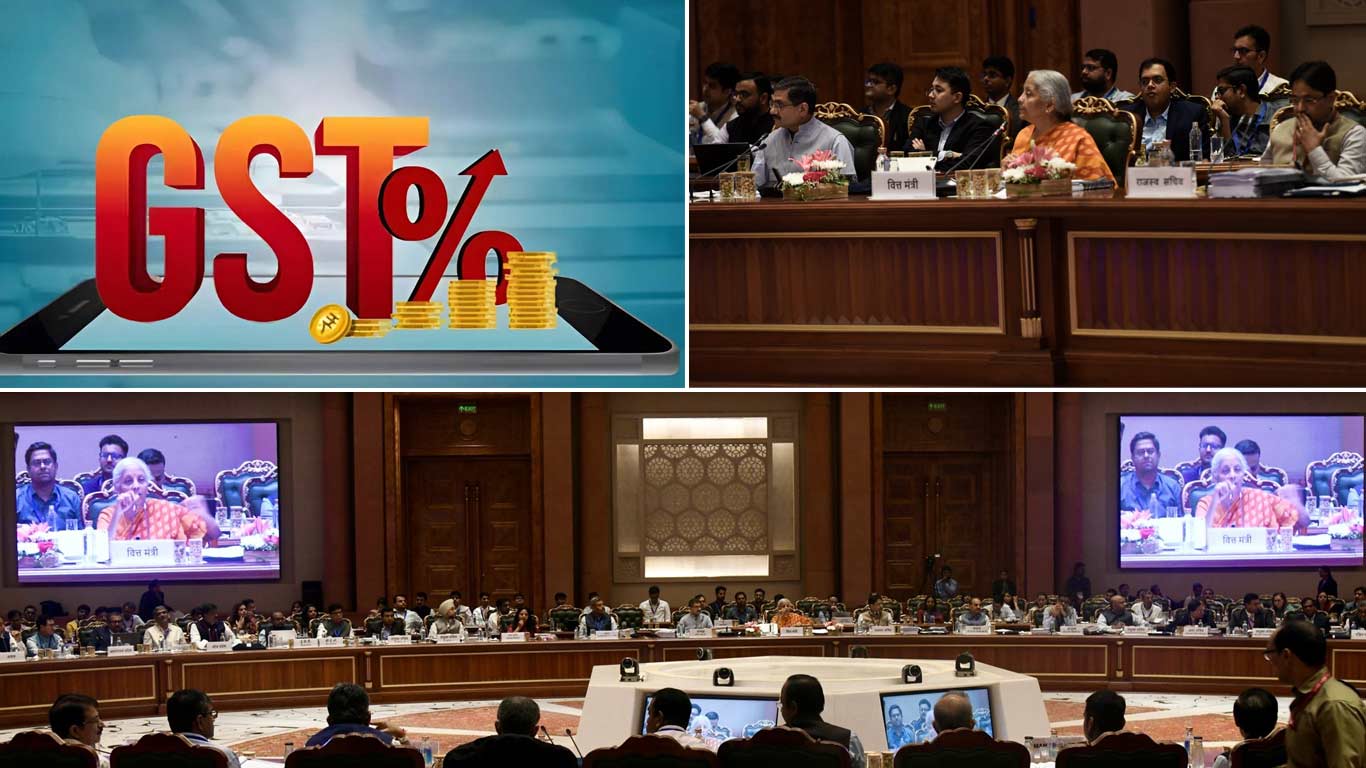
New Delhi, Oct 9 (KNN) The GST Council has recommended a series of process reforms to simplify compliance, speed up refunds and reduce litigation, including removing arrest powers under GST, raising the prosecution threshold fivefold to Rs 5 crore and reducing the maximum general penalty from Rs 25,000 to Rs 10,000.
Finance Minister Nirmala Sitharaman said the next-generation GST reforms had addressed around 99 per cent of issues related to tax rates and processes, with the latest measures focused on simplifying tax administration and adopting a trust-based approach.
At its 57th meeting, the Council recommended limiting GST demand notices to cases involving tax of at least Rs 10,000, standardising notices and proceedings, and providing taxpayers an opportunity to respond before formal notices are issued.
It also proposed reducing the penalty to 5 per cent in non-fraud cases where tax and interest are paid within the prescribed period after adjudication.
Faster Refunds, Simpler Registration
The Council recommended system-based processing of refunds, including automatic sanction of excess balances in electronic cash ledgers and provisional release of 90 per cent of eligible refund claims relating to zero-rated supplies and inverted duty structures, subject to system-based risk assessment.
The time for acknowledging refund applications or issuing deficiency memos will be reduced from 15 days to 10 days.
Registration procedures will be streamlined through standardised document requirements, clearer online guidance and automatic acceptance of most registration amendments. Cancellation applications will also be processed automatically in eligible cases once pending returns are filed and dues paid.
Small businesses selling goods through e-commerce platforms will be able to register and operate in states where they have no physical presence, subject to prescribed conditions, without establishing a place of business in every state.
Relief In Input Tax Credit, Export Compliance
The Council recommended allowing refunds of accumulated input tax credit (ITC) on capital goods for zero-rated supplies and on input services and capital goods under the inverted duty structure, subject to specified conditions and implementation timelines.
It also proposed removing restrictions on ITC for certain expenses, including outdoor catering, health and life insurance, telecommunication towers and pipelines outside factory premises.
Changes to the Integrated GST Act are proposed to facilitate export benefits for Indian service providers working through foreign offices or branches and those providing services involving goods made available by overseas customers. These measures are expected to address long-standing tax treatment issues affecting service exports.
Easier Movement Of Goods
To reduce disruption to transportation, the Council recommended that goods in transit be intercepted only on specific intelligence and with authorisation from an officer of at least Joint Commissioner rank. Inspections, detention and seizure would generally be restricted to cases involving the supplier or recipient in the state where interception occurs, with exceptions where mandatory transport documents are missing.
The Council also recommended an opportunity for taxpayers to object and seek a personal hearing before tax officials decide whether to block amounts in electronic credit ledgers.
Other measures include waiving late fees for delayed returns filed within the prescribed period by taxpayers with annual turnover of up to Rs 5 crore, clarifying GST treatment across sectors and introducing an optional Annual Return Quarterly Payment scheme for eligible small taxpayers with turnover up to Rs 5 crore making only business-to-consumer supplies.
No GST rate changes were recommended at the 57th meeting. The process reforms will be implemented in phases, with several return-related changes scheduled from April 1, 2027.
(KNN Bureau)






 Loading...