Hormuz Reopening Halves Threat To India Inc, Risks Persist Amid Fragile West Asia Truce: Crisil Ratings
Updated: Jun 27, 2026 04:08:26pm

Hormuz Reopening Halves Threat To India Inc, Risks Persist Amid Fragile West Asia Truce: Crisil Ratings
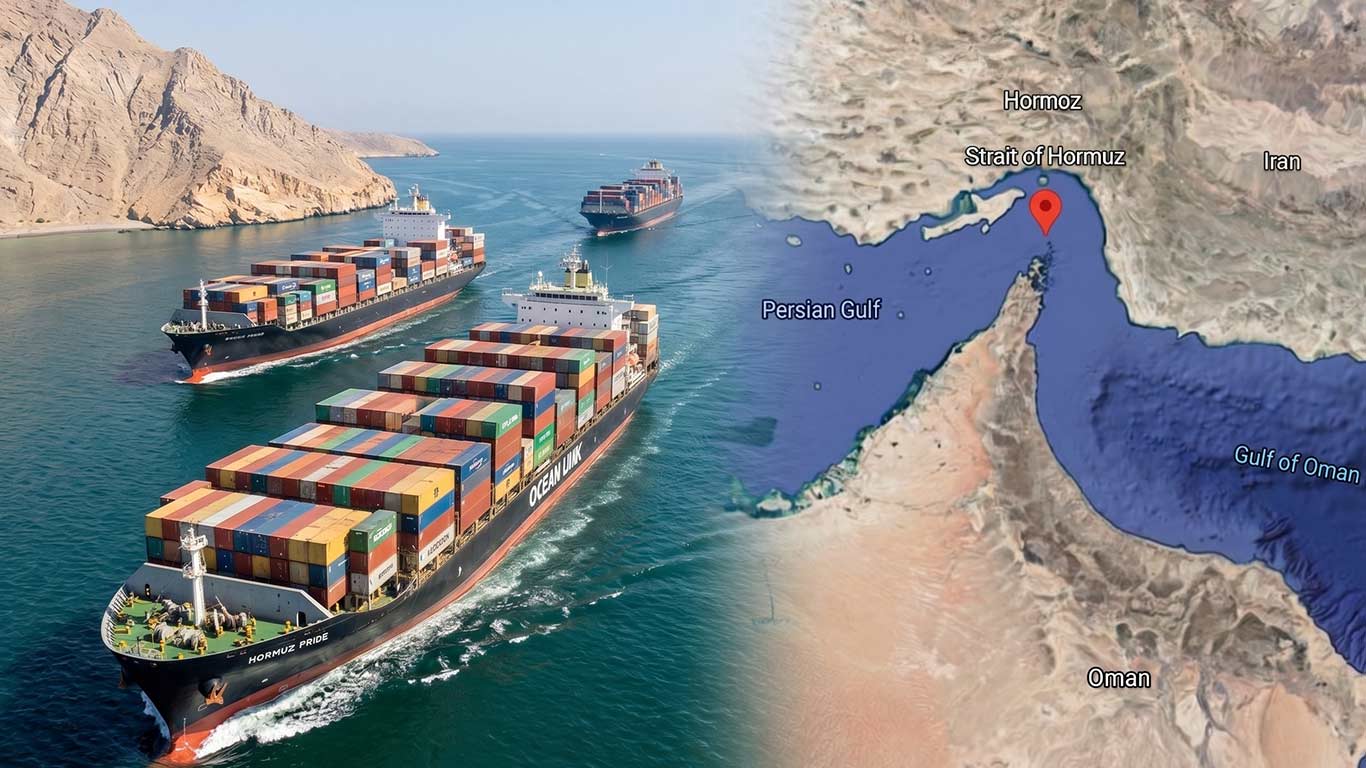
New Delhi, Jun 27 (KNN) The impact of the West Asia conflict on the profitability of Indian corporates is expected to be about half as severe as initially anticipated, following the reopening of the Strait of Hormuz under a fragile US-Iran memorandum of understanding (MoU), according to Crisil Ratings.
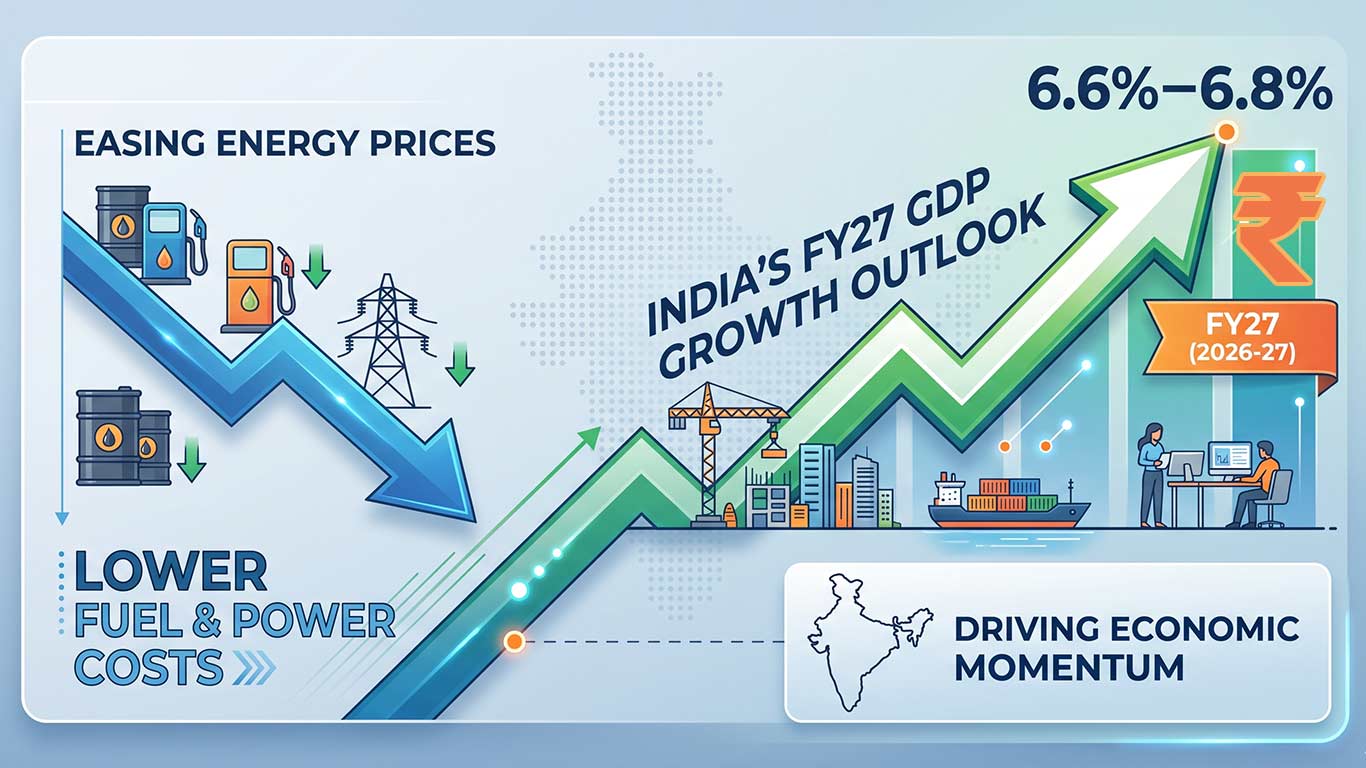
The agency now expects operating margins across India Inc to decline by approximately 100 basis points to around 11 per cent in FY27, compared with its earlier estimate of a 200-basis-point hit under a prolonged conflict scenario.
Its assessment covers 34 sectors accounting for about 65 per cent of rated corporate debt, and assumes Brent crude averages USD 80-85 per barrel this fiscal with gas supply disruptions persisting for around four months.
Subodh Rai, Managing Director, Crisil Ratings, said, “The recent sharp correction in crude oil prices and likely normalisation of gas supplies are beneficial for India Inc as that would ease cost pressures meaningfully.”
“If the armistice sustains, two-thirds of the 34 sectors will see minimal disruption, with margin recovery in the second half mostly offsetting pressures of the first half. But the risk of conflict escalation persists, so we foresee corporate India staying cautious and continuing to focus on supply-chain diversification,” Rai added.
Ten Sectors Still Under Pressure
Under the revised scenario, only 10 of the 34 sectors are expected to witness a meaningful decline in profitability, compared with 22 sectors under the earlier stress-case assumptions. None are expected to face a severe hit to revenues or profitability.
Six sectors — airlines, ceramics, polyester textiles, specialty chemicals, flexible packaging and diamond polishing — carry a moderately negative credit outlook, reflecting weaker profitability, higher working capital requirements and moderate balance-sheet strength.
Airlines face particular pressure from currency headwinds, capacity rationalisation and constrained pricing power, while ceramics are expected to see compressed margins in the first quarter due to elevated fuel costs and limited gas availability.
OMCs and Fertilisers to Benefit Most
Oil marketing companies and fertiliser manufacturers are expected to be among the biggest beneficiaries of easing energy prices.
Crisil estimates state-run fuel retailers incurred net under-recoveries of Rs 40,000 to Rs 45,000 crore between March and May but expects them to return to operating profitability this fiscal as crude prices retreat.
The government's fertiliser subsidy outlay is now estimated at Rs 2.4 to Rs 2.6 lakh crore for the year, around Rs 15,000 crore lower than earlier projections.
ECLGS Cushions MSMEs
Policy support is expected to cushion working capital pressures on vulnerable segments. The Emergency Credit Line Guarantee Scheme (ECLGS) 5.0, which provides additional guaranteed credit of Rs 2.55 lakh crore including Rs 5,000 crore earmarked for airlines, is available to MSMEs facing higher funding requirements.
As of June 9, over Rs 48,000 crore of guarantees had been approved, according to the Ministry of Finance.
Two Key Risks Remain
Crisil flagged two risks that temper the otherwise stable outlook. The US-Iran understanding is interim and non-binding, keeping the possibility of renewed conflict open. Additionally, the emergence of El Niño conditions this fiscal could result in below-normal monsoon rains, posing a risk to rural demand and domestic consumption.
Somasekhar Vemuri, Senior Director, Crisil Ratings, noted that the correction in crude oil prices and the gradual easing of shipping costs and gas supplies are providing timely relief to India Inc.
“While supply-side pressures are expected to abate, the geopolitical situation in West Asia remains fluid and escalation risks persist. Nevertheless, softer crude prices would support the government’s ability to sustain its capital expenditure push and respond to any demand-side impact. This becomes particularly relevant as El Niño poses risks to the monsoon and, in turn, domestic rural demand,” Vemuri said.
(KNN Bureau)






 Loading...


