India Expected To Remain Resilient Amid Global Uncertainty: WEF
Updated: May 29, 2026 01:06:48pm

India Expected To Remain Resilient Amid Global Uncertainty: WEF
New Delhi, May 29 (KNN) India has emerged as the strongest growth story among major global economies, with 52 percent of chief economists expecting strong or very strong growth over the next 12 months, according to the latest Chief Economists’ Outlook released by the World Economic Forum (WEF).
The report stated that India recorded the most optimistic growth outlook among all geographies covered in the survey. It added that India, alongside the United States, is expected to remain relatively resilient despite rising global uncertainty, ANI reported.
Strong Domestic Demand, Infrastructure Push Support India’s Outlook
According to the survey, India’s growth prospects are being supported by strong domestic demand, sustained infrastructure spending, investment momentum, expanding trade agreements and supportive policy measures.
The WEF report highlighted increasing regional divergence in global economic performance. While Europe faces rising stagflation risks and the Middle East and North Africa region is expected to witness the sharpest deterioration in growth conditions, India and parts of Southeast Asia are projected to remain comparatively stable.
Inflation Concerns Persist Amid Rising Energy Costs
However, the report also flagged inflationary concerns for India. Around 61 percent of respondents projected high or very high inflation in the country over the next year, largely due to rising global energy costs and supply-side pressures.
Globally, the report painted a cautious outlook, with 89 percent of surveyed chief economists expecting world economic growth to weaken over the next 12 months amid escalating geopolitical tensions and disruptions in critical trade routes.
Geopolitical Tensions, Supply Disruptions Weigh On Global Economy
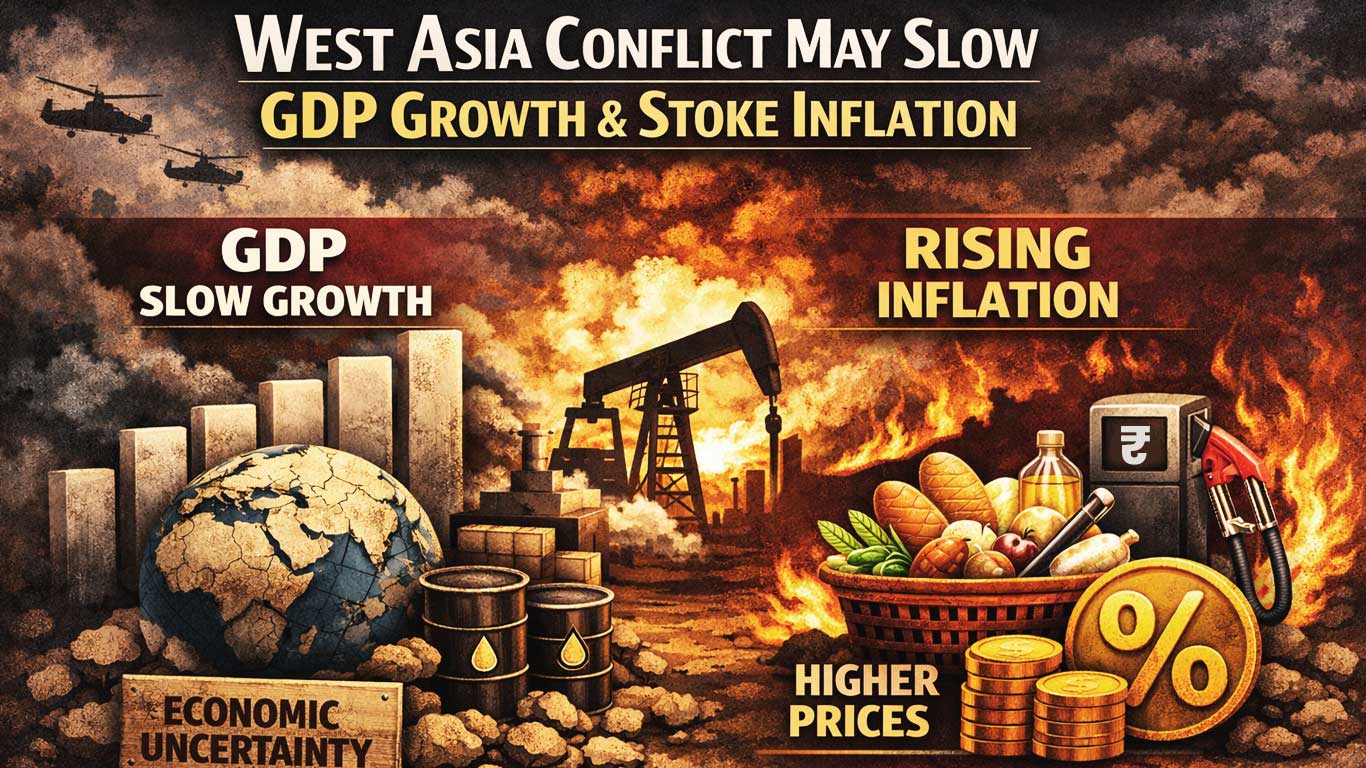
The report said the ongoing conflict in West Asia and disruptions in the Strait of Hormuz have affected global flows of energy, food and fertilisers, increasing inflationary pressures and supply chain risks worldwide.
According to the survey, 94 percent of chief economists expect global inflation to rise further in the coming year because of higher energy and food prices linked to the disruptions.
Despite the deteriorating outlook, only 13 percent of respondents said they expect a global recession within the next year.
The WEF noted that the global economy is entering a period of heightened volatility driven by geopolitical conflicts, energy insecurity, supply-chain disruptions and uneven technological transformation.
(KNN Bureau)






 Loading...