India’s Economy To Grow 6.3% In FY27 Despite West Asia Headwinds: OECD
Updated: Jun 04, 2026 01:51:35pm


India’s Economy To Grow 6.3% In FY27 Despite West Asia Headwinds: OECD
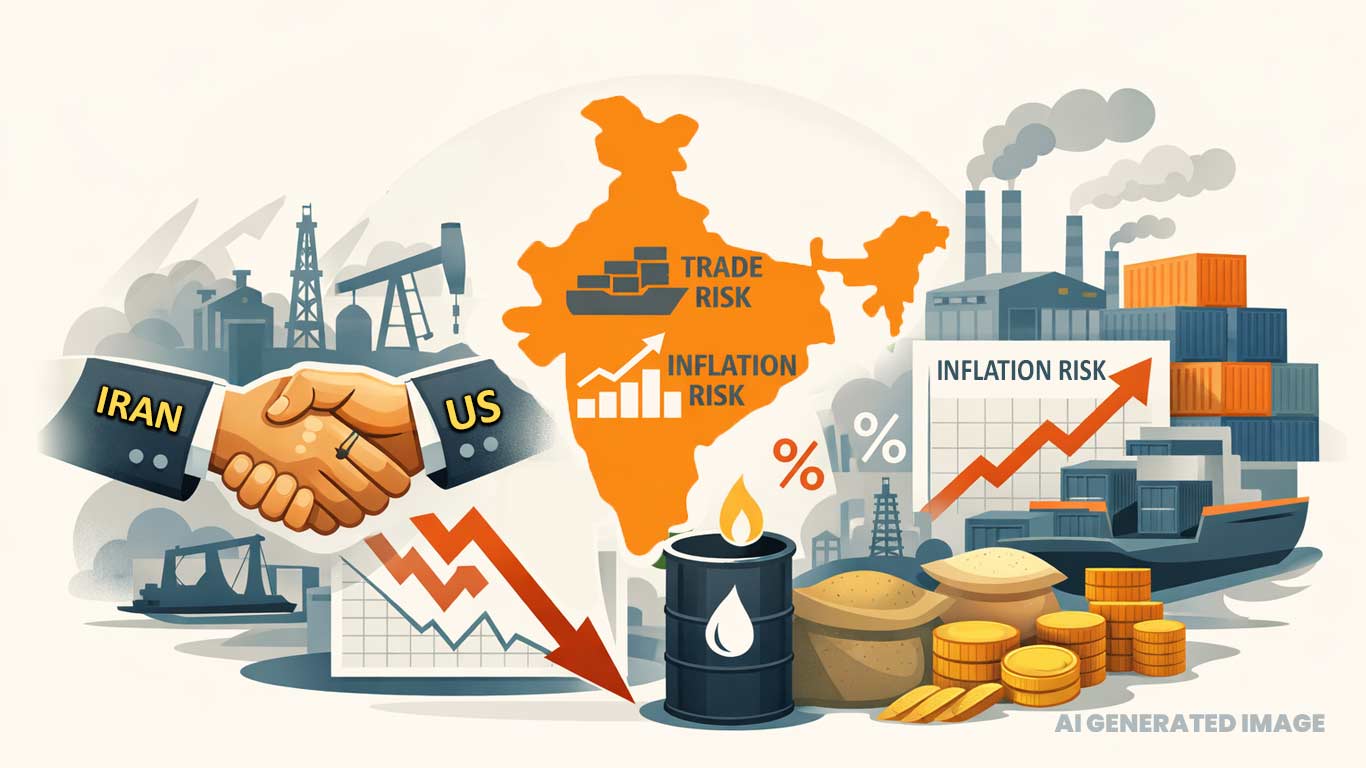
New Delhi, Jun 4 (KNN) The Organisation for Economic Co-operation and Development (OECD) has revised India's economic growth forecast upward to 6.3 percent for FY27, while cautioning that higher energy prices arising from the ongoing West Asia conflict could dampen economic activity and revive inflationary pressures.
In its latest Economic Outlook released on Wednesday, the OECD raised its FY27 growth projection by 20 basis points from the 6.1 percent estimate made in March. However, the growth rate is expected to moderate from 7.6 percent in FY26 due to rising energy costs and fuel rationing measures.
OECD Raises FY27 Growth Forecast
The OECD said inflation is likely to rise to 4.8 percent in FY27 from 2.1 percent in FY26, driven by higher food and energy prices as well as depreciation of the rupee. The forecast is, however, lower than its earlier estimate of 5.1 percent.
According to the report, the weaker rupee is increasing imported inflation by raising the domestic cost of fuel, fertilisers and other tradable goods, reported Business Standard.
Inflation Risks May Prompt Monetary Tightening
Against this backdrop, the OECD expects the Reserve Bank of India (RBI) to raise the policy repo rate by around 25 basis points by the end of the June quarter to help keep inflation within its target range and anchor inflation expectations.
The report warned that prolonged disruptions in energy supplies and continued gas rationing could further affect industrial production, fertiliser availability and agricultural output, thereby adding to inflationary pressures.
West Asia Conflict Adds To Economic Headwinds
India, which imports around half of its oil and gas requirements from West Asia, has implemented measures to prioritise domestic LPG availability, including restrictions on commercial cooking gas consumption and diversion of industrial fuel supplies.
The OECD also projected slower growth in private consumption as higher inflation erodes household purchasing power. Weaker global demand and elevated production costs are expected to affect investment and exports, although lower US tariffs may provide some support to outbound shipments.
West Asia Conflict Adds To Economic Headwinds
The report noted that India's current account deficit could widen as rising energy import costs outweigh the impact of weaker domestic demand.
While government support measures could help cushion household incomes and consumption, the OECD cautioned that such interventions may increase fiscal pressures.
It estimated that energy-related support measures could widen the fiscal deficit by around 0.4 percent of GDP compared to the budgeted path and slow the pace of public debt reduction.
OECD Recommends Targeted Support Measures
The OECD recommended targeted income transfers instead of broad-based price support to minimise fiscal costs while protecting vulnerable households.
Looking ahead, the organisation expects some of the current growth headwinds to ease in FY28, with economic growth projected to improve marginally to 6.4 percent. Inflationary pressures are expected to moderate as commodity prices stabilise, allowing monetary policy to ease and fiscal consolidation to resume.
(KNN Bureau)






 Loading...