Geopolitical & Weather-related Disruptions Pose Risk To India’s Growth and Inflation Projections: CRISIL
Updated: Nov 15, 2024 03:05:02pm


Geopolitical & Weather-related Disruptions Pose Risk To India’s Growth and Inflation Projections: CRISIL
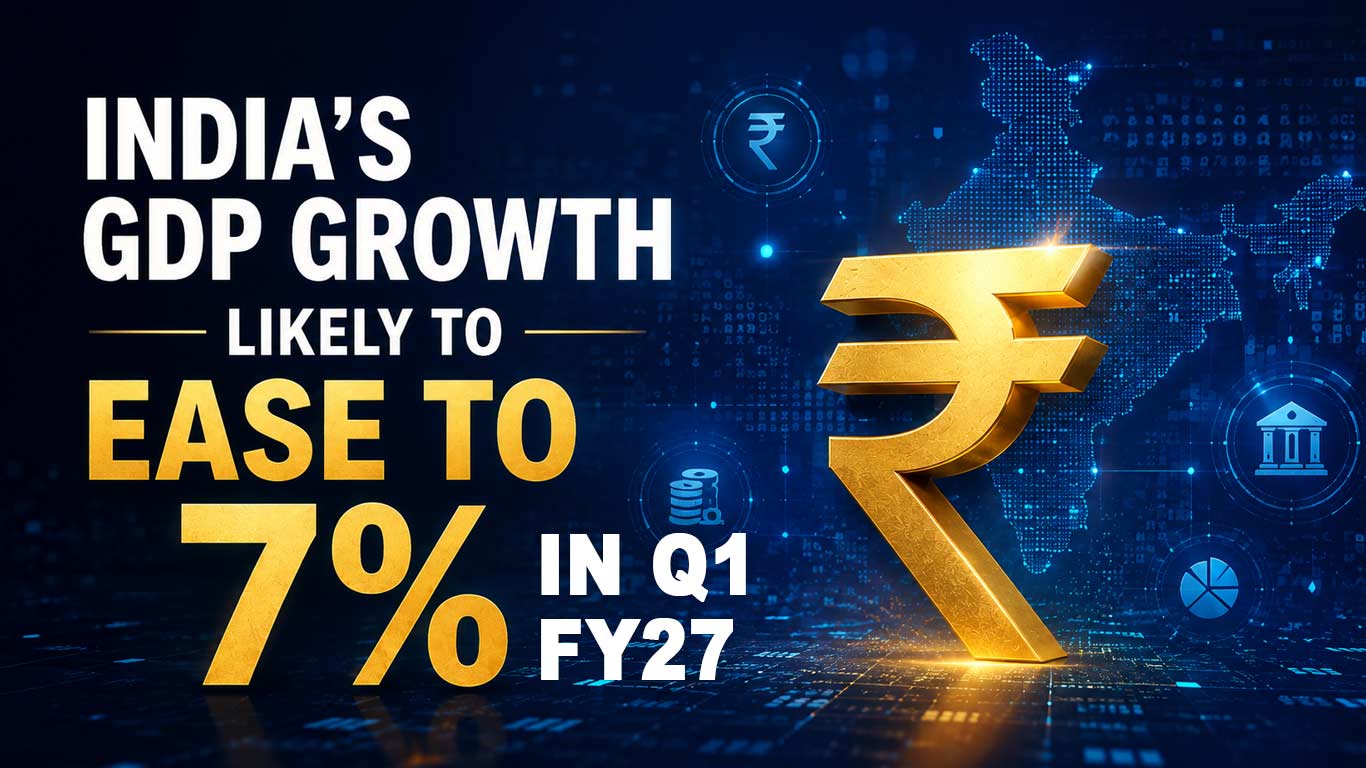
New Delhi, Nov 15 (KNN) India's economic growth is projected to decelerate to 6.8 per cent in fiscal year 2025, down from 8.2 per cent in FY24, according to a new analysis by rating agency CRISIL.
However, CRISIL emphasises that weather-related disruptions and geopolitical tensions remain significant risk factors that could affect both growth and inflation projections.
The report forecasts a favourable inflation outlook, with Consumer Price Index (CPI) inflation expected to moderate to 4.5 per cent on average in FY25, compared to 5.4 per cent in the previous year, primarily due to anticipated lower food prices.
The moderation is attributed to elevated interest rates and tighter lending regulations that are expected to dampen urban consumption, as detailed in the ET-CRISIL India Progress Report released Wednesday.
Agricultural sector concerns feature prominently in the analysis, with the report noting that despite increased kharif sowing this year, the full impact of excessive and unseasonable rainfall requires careful assessment.
The report also highlights that potential escalations in global geopolitical tensions could disrupt supply chains, affect trade patterns, and drive up oil prices, consequently impacting inflation and production costs.
Looking at external sector metrics, CRISIL anticipates India's current account deficit to expand marginally to 1 per cent of GDP in FY25 from 0.7 per cent in FY24.
Nevertheless, this level is considered manageable, supported by strong services exports and steady remittance inflows. In its medium-term outlook, the report projects India's economy to grow at an average rate of 6.7 per cent between FY25 and FY31, potentially reaching the USD 7 trillion milestone.
This growth trajectory, comparable to the pre-pandemic decade's 6.6 per cent, is expected to be primarily driven by capital expenditure and productivity improvements, though labour force contribution is forecasted to remain subdued during this period.
(KNN Bureau)







 Loading...


