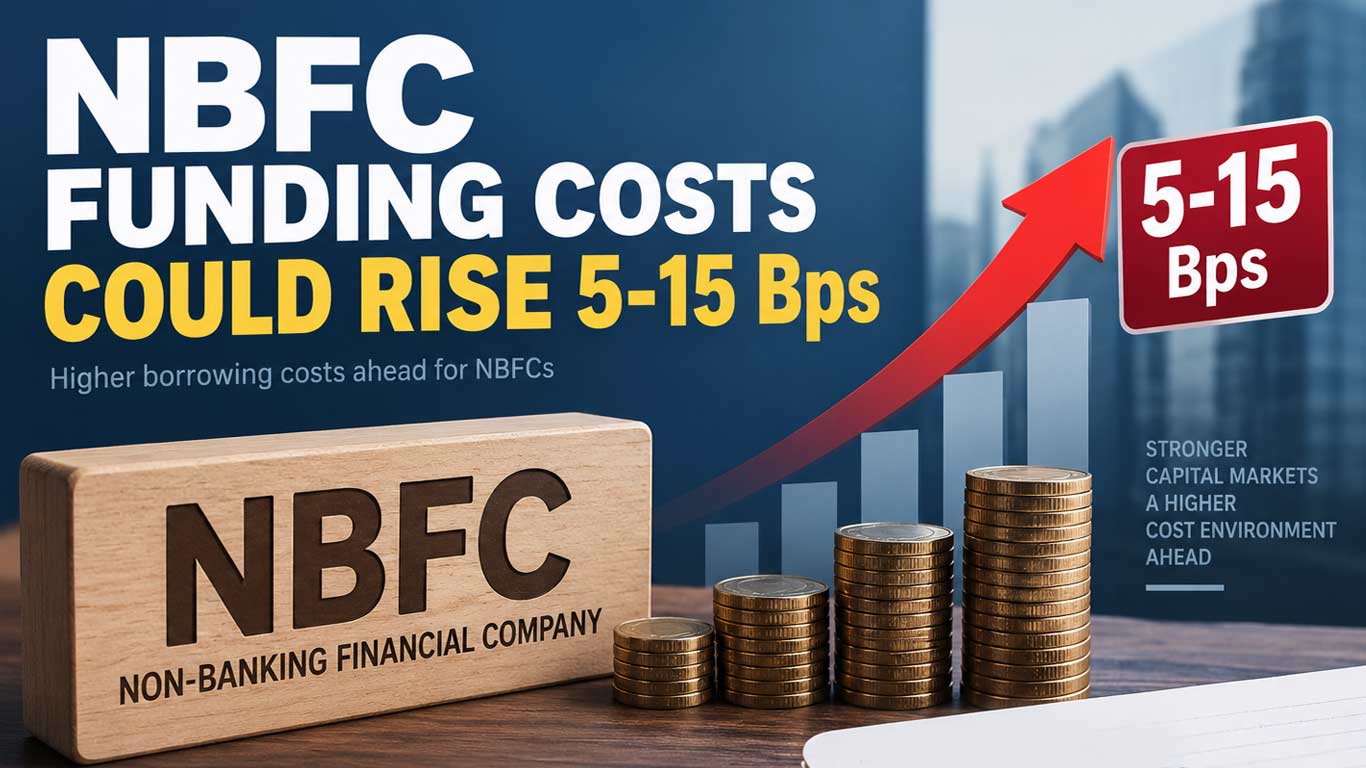
NBFC Funding Costs Could Rise 5-15 Bps If RBI Hikes Repo Rate 50 Bps: Kotak
Updated: Aug 27, 2026 03:13:52pm

NBFC Funding Costs Could Rise 5-15 Bps If RBI Hikes Repo Rate 50 Bps: Kotak
New Delhi, Aug 27 (KNN) Non-banking financial companies (NBFCs) could face a 5-15 basis point increase in funding costs if the Reserve Bank of India (RBI) raises the repo rate by 50 basis points, potentially putting pressure on margins, according to Kotak Institutional Equities.
The brokerage said NBFCs are nevertheless expected to have a strong year, supported by healthy loan growth and asset quality. Most players are likely to report continued growth in assets under management (AUM), it said.
Asset Yields Key To Margins
Kotak said asset yields will remain critical for NBFC margins as higher borrowing costs could be partly offset if lending rates remain stable or increase in select segments, reported ANI.
However, elevated competition could constrain lending yields and make margin forecasts more challenging, particularly in the prime lending segment, where public sector banks remain aggressive.
Newer NBFCs are also facing competition in below-prime segments, particularly through direct selling agent (DSA) sourcing.
The brokerage said a rate hike could have a positive impact on the asset side by easing ongoing rate competition, with lending rates potentially remaining stable or rising moderately in some segments.
Bank And Bond Borrowings In Focus
Most NBFCs have increased their reliance on bank borrowing this year, although some have recently raised their exposure to the bond market.
Kotak identified three key factors that could increase NBFC funding costs: refinancing of maturing non-convertible debentures (NCDs), a potential increase in the repo rate and higher bank Marginal Cost of Funds-Based Lending Rate (MCLR) rates.
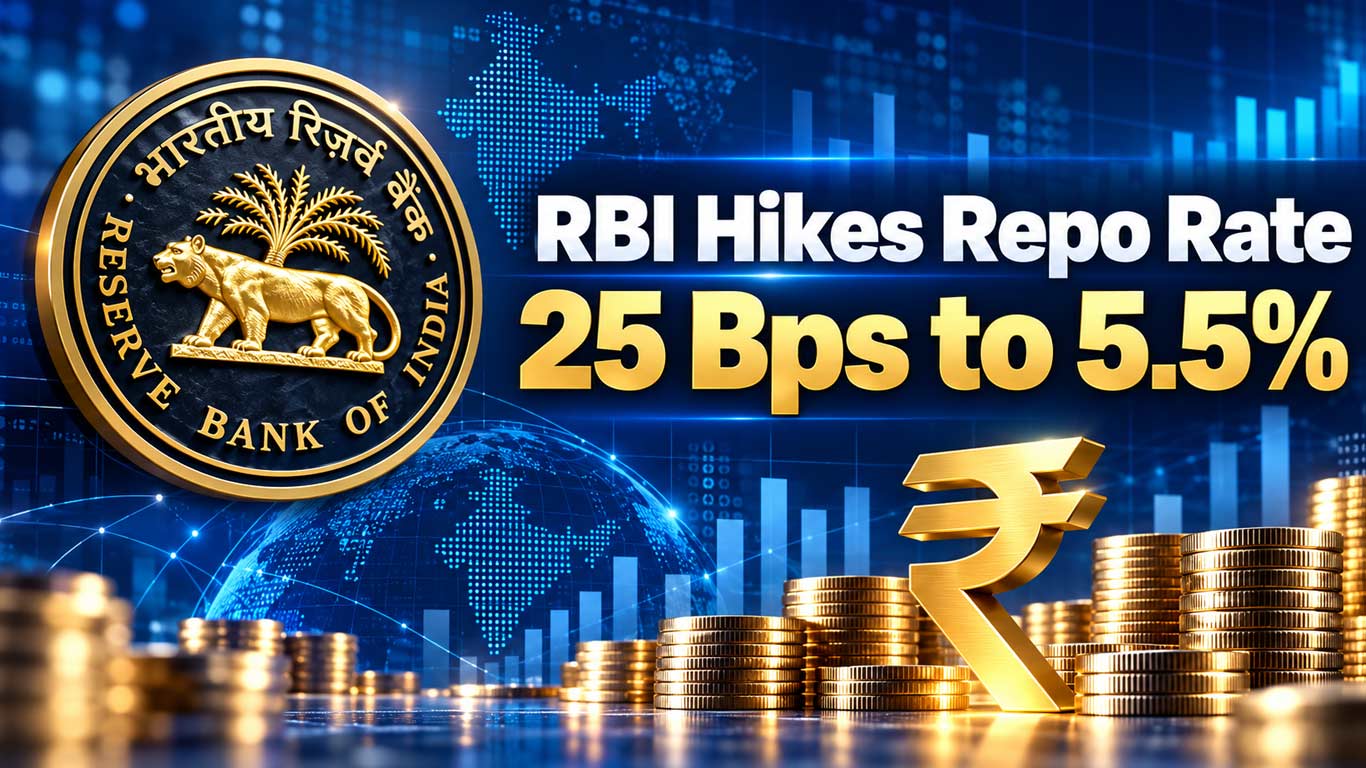
The brokerage expects NCD repricing to have a limited impact on margins. However, a 50-basis-point repo rate increase could raise funding costs by around 5-15 basis points.
Higher MCLR rates could also increase borrowing costs, although the impact may emerge gradually as a large portion of NBFC bank borrowings are linked to one-year MCLR rates and reset annually.
Kotak noted that around 25-50 per cent of bank borrowings for most NBFCs are linked to the repo rate, making them sensitive to changes in monetary policy.
The brokerage said the pace of any MCLR increase will determine its eventual impact on NBFC funding costs, while asset quality will remain a key factor for the sector's performance.
(KNN Bureau)








 Loading...


