NITI Aayog Releases Report On Financing Needs For Viksit Bharat And Net Zero Transition
Updated: Feb 10, 2026 01:01:59pm


New Delhi, Feb 10 (KNN) Government think-tank NITI Aayog has released Volume 9 of its report titled 'Scenarios towards Viksit Bharat and Net Zero: Financing Needs', outlining India's long-term investment requirements to achieve developed nation status alongside its net-zero emissions target by 2070.
The report assesses capital requirements across key sectors including power, transport and industry, and estimates that India will require an estimated USD 22.7 trillion in cumulative investment by 2070 under the Net Zero pathway. This translates to roughly USD 500 billion annually, significantly higher than current investment levels.
USD 6.5 Trillion Financing Gap Identified
According to the study, even with domestic financial deepening, India may mobilise around USD 16.2 trillion, leaving a USD 6.5 trillion financing gap, underscoring the scale of resource mobilisation required over the coming decades.
The report highlights the need for comprehensive domestic financial sector reforms, development of innovative green financing instruments, and stronger integration with global capital markets to bridge this gap. It also calls for scaling up blended finance, climate funds and private sector participation.
Key Sectors Driving Investment
The power sector is expected to account for a substantial share of investments, particularly in renewable energy capacity expansion, grid modernisation and energy storage systems.
In transport, investments will be required for electrification, green mobility infrastructure and low-carbon logistics systems. The industrial sector will require capital for decarbonisation technologies, energy efficiency improvements and adoption of cleaner production processes.
Critical Role of MSMEs in Transition
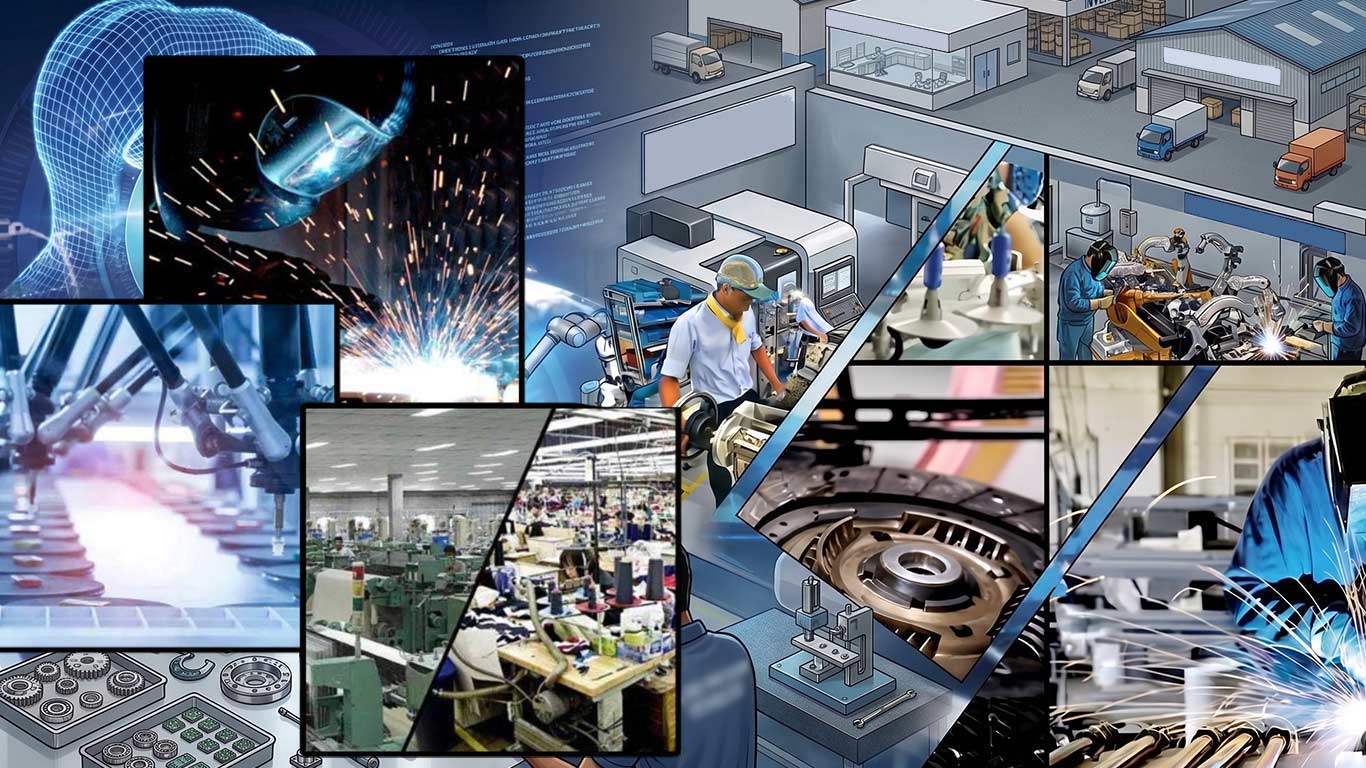
The report underscores that Micro, Small and Medium Enterprises (MSMEs) will play a pivotal role in India's green transition, particularly in manufacturing, supply chains and clean technology deployment.
However, MSMEs face constraints in accessing affordable long-term finance, technology upgrades and compliance with evolving environmental standards. The report notes that targeted credit mechanisms, risk-sharing instruments, and technical assistance frameworks will be essential to enable MSMEs to adopt low-carbon technologies without compromising competitiveness.
Strengthening green credit access, expanding sustainability-linked lending and integrating MSMEs into global value chains are identified as key strategies to ensure inclusive growth during the transition.
Need for Global Capital Flows
The study emphasises that achieving both Viksit Bharat and Net Zero goals will require enhanced global climate finance flows, concessional funding, and technology transfer from developed economies.
It concludes that coordinated action across governments, financial institutions, industry and multilateral agencies will be critical to mobilise capital at the scale required while ensuring economic resilience and growth.
(KNN Bureau)







 Loading...