India-New Zealand FTA Second Round Negotiations Conclude In New Delhi
Updated: Jul 26, 2025 02:52:34pm

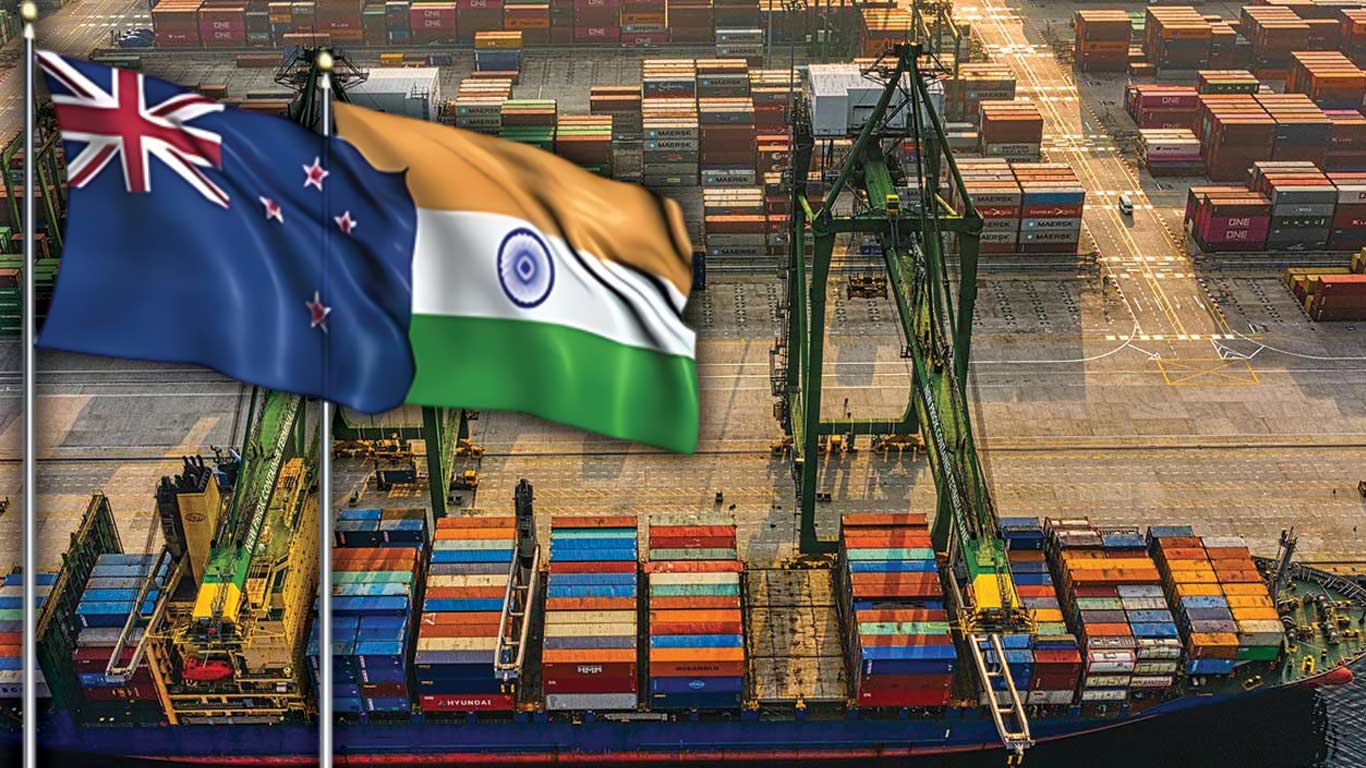
India-New Zealand FTA Second Round Negotiations Conclude In New Delhi
New Delhi, Jul 26 (KNN) The second round of negotiations for the India-New Zealand Free Trade Agreement concluded in New Delhi on July 25, 2025, marking continued progress toward strengthening bilateral trade relations between the two nations.
The negotiations, which ran from July 14 to 25, built upon momentum established during the first round held in New Delhi in May 2025.
The FTA initiative stems from discussions between Indian Prime Minister Narendra Modi and New Zealand Prime Minister Christopher Luxon during the latter's visit to India in March 2025.
The formal launch of negotiations occurred on March 16, 2025, during a meeting between India's Union Minister of Commerce and Industry Piyush Goyal and New Zealand's Minister for Trade and Investment Todd McClay.
Negotiators achieved substantial progress across multiple sectors during the second round, including trade in goods and services, investment frameworks, rules of origin, customs procedures, trade facilitation measures, technical barriers to trade, sanitary and phytosanitary measures, and economic cooperation initiatives.
Both delegations expressed mutual interest in reaching early agreement on several negotiating texts and reaffirmed their commitment to developing a comprehensive and balanced trade agreement.
The third round of negotiations is scheduled to take place in New Zealand in September 2025, with virtual intersessional meetings planned to maintain negotiating momentum between formal rounds.
Current trade data underscores the economic potential of enhanced bilateral relations. India's merchandise trade with New Zealand reached USD 1.3 billion in the 2024-25 financial year, representing a 48.6 percent increase from the previous year.
Officials anticipate that the completed FTA will facilitate increased trade flows, strengthen investment linkages, enhance supply chain resilience, and create a more predictable business environment for companies in both countries.
(KNN Bureau)








 Loading...


