India To Step Up Brazilian Crude Imports Amid Rising US Tariffs, Pressure On Russian Oil: S&P Global
Updated: Aug 23, 2025 01:35:30pm

India To Step Up Brazilian Crude Imports Amid Rising US Tariffs, Pressure On Russian Oil: S&P Global
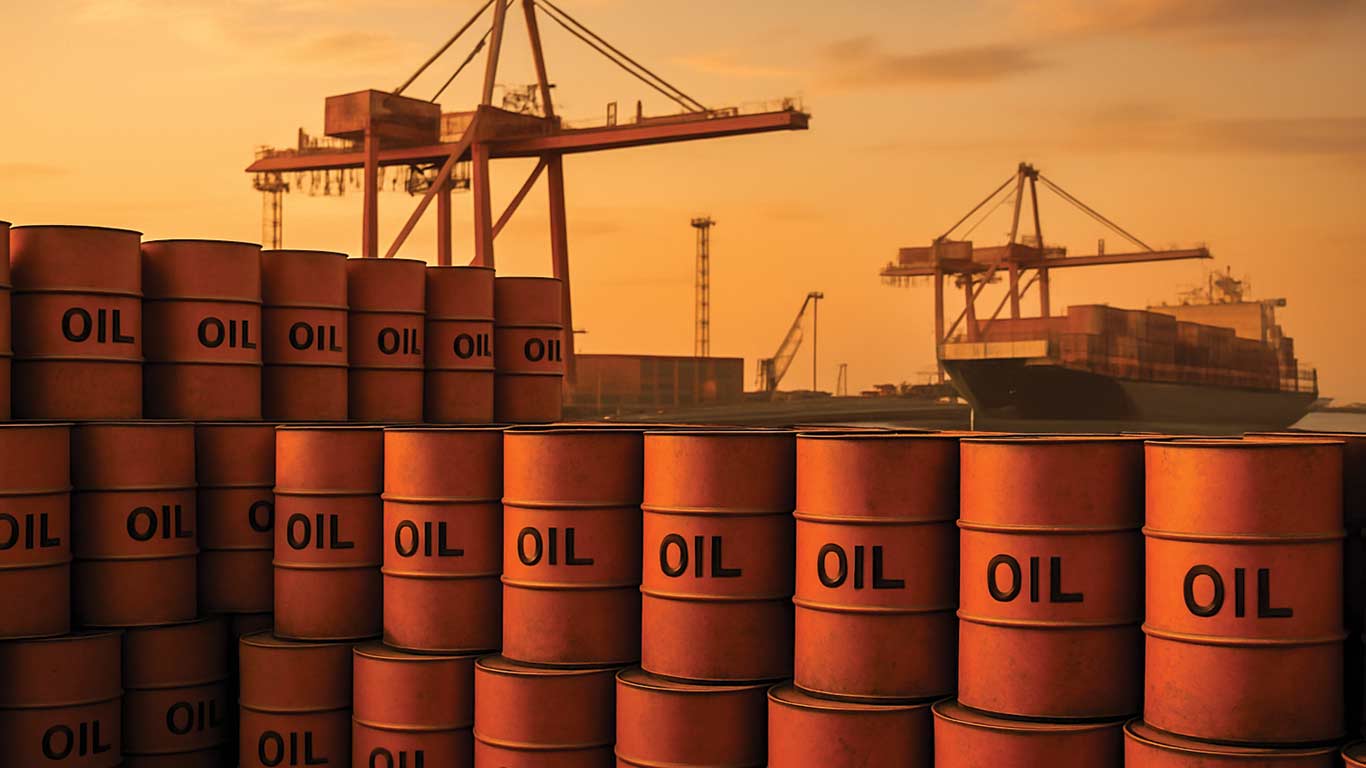
New Delhi, Aug 23 (KNN) Facing heightened tariff pressures from the US and seeking to diversify its energy sources, India is stepping up efforts to expand crude oil trade with Brazil, according to S&P Global Commodity Insights.
While Russian crude continues to flow into the country, Indian refiners are increasingly turning to Brazilian barrels.
Both India and Brazil face a 50 percent tariff on exports to the United States—the highest among major economies—creating strong incentives for the two nations to strengthen bilateral energy cooperation.
Indian Oil Corp. and Reliance Industries have emerged as the main buyers of Brazilian crude this year. Data compiled by S&P shows that medium-sweet grades such as Lula/Tupi, Sepia, and Atapu were discharged at IOCL’s Paradip terminal, while Reliance took delivery of heavy-sour Peregrino crude at its Sikka facility.
The most recent shipment—1.9 million barrels of Sepia and Atapu—arrived on May 18 aboard the VLCC Donoussa.
Crude inflows from Brazil have surged, recording the steepest growth among India’s suppliers. Imports rose 75 percent year on year to 72,000 barrels per day in the first half of 2025, compared with 41,000 b/d a year earlier.
Petrobras accounted for most shipments, dominated by Lula/Tupi (43 percent), followed by Sepia (28 percent), and Atapu and Peregrino (14 percent each).
“Sky-high US tariffs are prompting India and Brazil to explore opportunities to boost oil trade, as India looks for alternatives to Russian oil, while Brazil scouts for newer markets for its growing crude output,” said S&P Global Commodity Insights.
The renewed focus on Brazilian crude comes against the backdrop of US President Donald Trump’s move to double tariffs on Indian exports to 50 percent, citing India’s continued purchases of Russian oil.
The measure has forced India to weigh the broader economic costs of elevated duties on multiple commodities.
Prime Minister Modi and Petroleum Minister Hardeep Singh Puri recently traveled to Brazil, where discussions with President Luiz Inacio Lula da Silva focused on expanding crude imports and exploring joint ventures in offshore deepwater and ultra-deepwater exploration.
For Brazil, which also faces the same 50 percent tariff on its exports to the US—including coffee, beef, and petrochemicals—the search for alternative markets is equally urgent.
Despite the momentum, industry observers caution that Brazilian flows to India will depend on freight economics, arbitrage opportunities, and the availability of cargoes.
Indian refiners also face stiff competition from Middle Eastern suppliers and, increasingly, from China as it seeks substitutes for sanctioned Iranian crude.
(KNN Bureau)







 Loading...