Israel-Iran Conflict Poses Serious Economic Threats To India: GTRI Report
Updated: Jun 16, 2025 03:33:25pm

Israel-Iran Conflict Poses Serious Economic Threats To India: GTRI Report
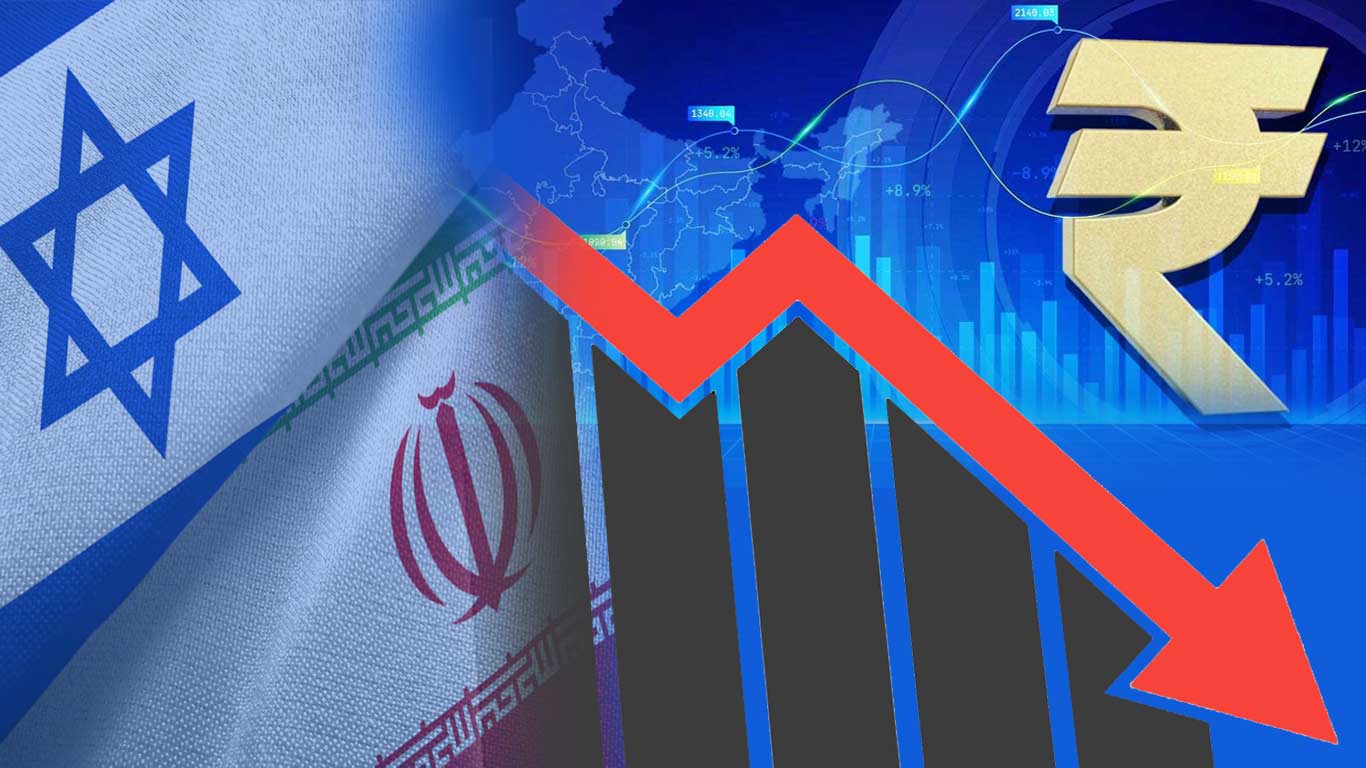
New Delhi, Jun 16 (KNN) The escalating Israel-Iran conflict poses significant economic risks to India, with energy security and trade routes facing growing uncertainty, according to a report released Sunday by the Global Trade Research Initiative (GTRI).
The think tank has called for urgent government action to review energy scenarios and diversify crude oil sourcing.
GTRI Founder Ajay Srivastava stated that the rising regional tensions directly threaten India's strategic and economic connections with West Asia.
The country maintains substantial trade relationships with both nations involved in the conflict, with bilateral trade figures highlighting the economic exposure at stake.
During the 2024-25 period, India's trade with Iran totaled USD 1.68 billion, comprising USD 1.24 billion in exports and USD 441.9 million in imports.
Trade volumes with Israel proved even more significant, reaching USD 3.76 billion through USD 2.15 billion in exports and USD 1.61 billion in imports.
The report emphasises that India's energy dependency presents the most critical vulnerability. Nearly two-thirds of the country's crude oil imports and half of its liquefied natural gas supplies transit through the Strait of Hormuz, which Iran has threatened to close.
This strategic waterway, measuring only 21 miles at its narrowest point, facilitates approximately one-fifth of global oil trade.
India's heavy reliance on energy imports, which account for over 80 percent of its energy requirements, makes any disruption to the Strait of Hormuz particularly concerning.
Such disruptions could trigger sharp increases in oil prices, shipping costs, and insurance premiums, potentially leading to inflation, currency pressure, and fiscal management challenges.
The conflict's immediate impact became apparent on June 15 when Iran launched missile strikes against Israel's Haifa port. The facility, which handles over 30 percent of Israeli imports and operates under 70 percent ownership by India's Adani Ports, reportedly sustained infrastructure damage.
Initial assessments indicate damage to port facilities and nearby refineries, raising concerns about logistics disruptions and potential spillover effects on Indian commercial operations.
Additional tensions emerged from Israel's June 14-15 military strikes targeting Houthi leadership in Yemen, further destabilising the Red Sea region where Houthi forces have previously attacked commercial shipping.
This development creates another risk vector for Indian trade, as approximately 30 percent of the country's westbound exports to Europe, North Africa, and the US East Coast pass through the Bab el-Mandeb Strait.
Should shipping routes require rerouting around the Cape of Good Hope, transit times could extend by up to two weeks while costs increase substantially.
Such disruptions would directly affect Indian exports of engineering goods, textiles, and chemicals, while simultaneously raising input costs for essential imports.
The GTRI report concludes that despite India's non-involvement in the conflict, the government cannot afford to remain passive.
The organisation recommends immediate action to review energy risk scenarios, diversify crude oil sourcing strategies, and ensure adequate strategic reserve levels to mitigate potential economic disruptions.
(KNN Bureau)










 Loading...


