Trump Using Tariffs As Pressure Tactic, Not Trade Partnership Tool: GTRI
Updated: Jul 08, 2025 02:01:37pm

Trump Using Tariffs As Pressure Tactic, Not Trade Partnership Tool: GTRI
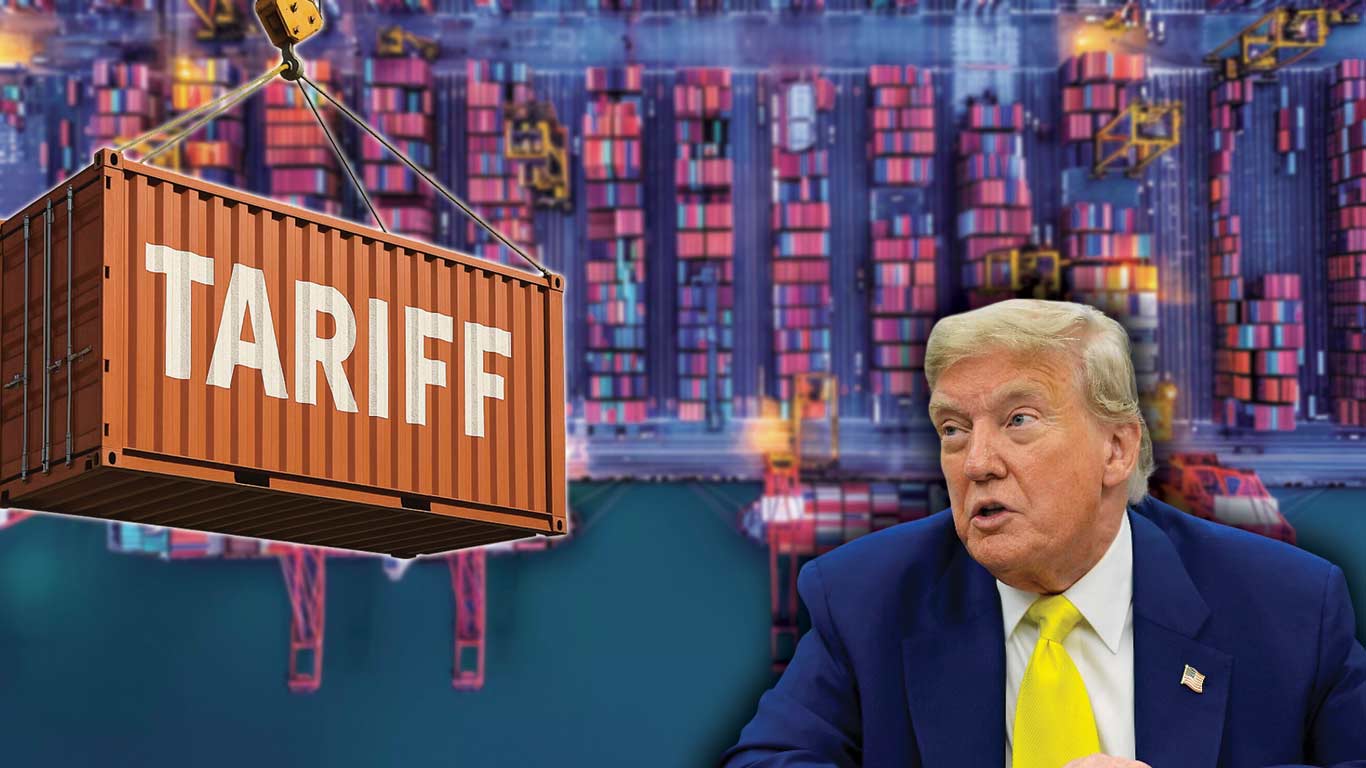
New Delhi, Jul 8 (KNN) A new analysis by the Global Trade Research Initiative (GTRI) indicates that President Donald Trump is utilising tariffs as a coercive mechanism in trade negotiations rather than as a foundation for building cooperative partnerships.
The report characterises Trump's trade strategy as fundamentally pressure-based, transforming traditional trade agreements into what GTRI describes as ‘one-sided forced pacts.’
The research organisation notes that Trump's approach deliberately circumvents conventional Free Trade Agreement frameworks, which typically operate on principles of mutual tariff reductions and reciprocal benefits.
Under the current administration's strategy, partner countries are required to reduce their tariffs and commit to purchasing American goods, while the United States offers no corresponding concessions.
GTRI emphasises that these arrangements are negotiated under duress and lack equitable terms.
A significant concern highlighted in the report is the absence of long-term certainty in Trump's trade agreements. Countries that have signed deals with the United States remain susceptible to additional tariff threats even after completing negotiations.
India has submitted its final trade proposal and is anticipated to finalise an agreement with the United States in the near future. However, GTRI warns that such an agreement may not shield Indian exports from potential unilateral tariff increases.
The report suggests that Indian goods could continue facing a minimum 10 percent additional levy, as the 26 percent surcharge imposed in April may not be completely eliminated. GTRI characterises any resulting deal as ‘a pressured compromise, not a true partnership.’
The Trump administration has extended the deadline for countries to conclude trade agreements from July 8 to July 31.
Beginning August 1, nations that fail to comply may face country-specific tariffs reaching up to 40 percent. India is among the countries that have received formal tariff warning letters from the U.S. administration.
The report clarifies that these new tariffs would be imposed in addition to existing Most Favoured Nation rates, though they would not apply to sectors including steel, aluminium, automotive products, and auto parts, which already face separate duties.
The GTRI report concludes that such trade agreements provide limited benefits to partner countries while maintaining the possibility of future U.S. tariff actions.
This arrangement raises significant concerns about the long-term stability and fairness of international trade relationships under the current administration's approach.
(KNN Bureau)









 Loading...