With 100 Days To EU Carbon Tax, India Lags In CBAM Preparedness: GTRI
Updated: Sep 22, 2025 03:58:19pm

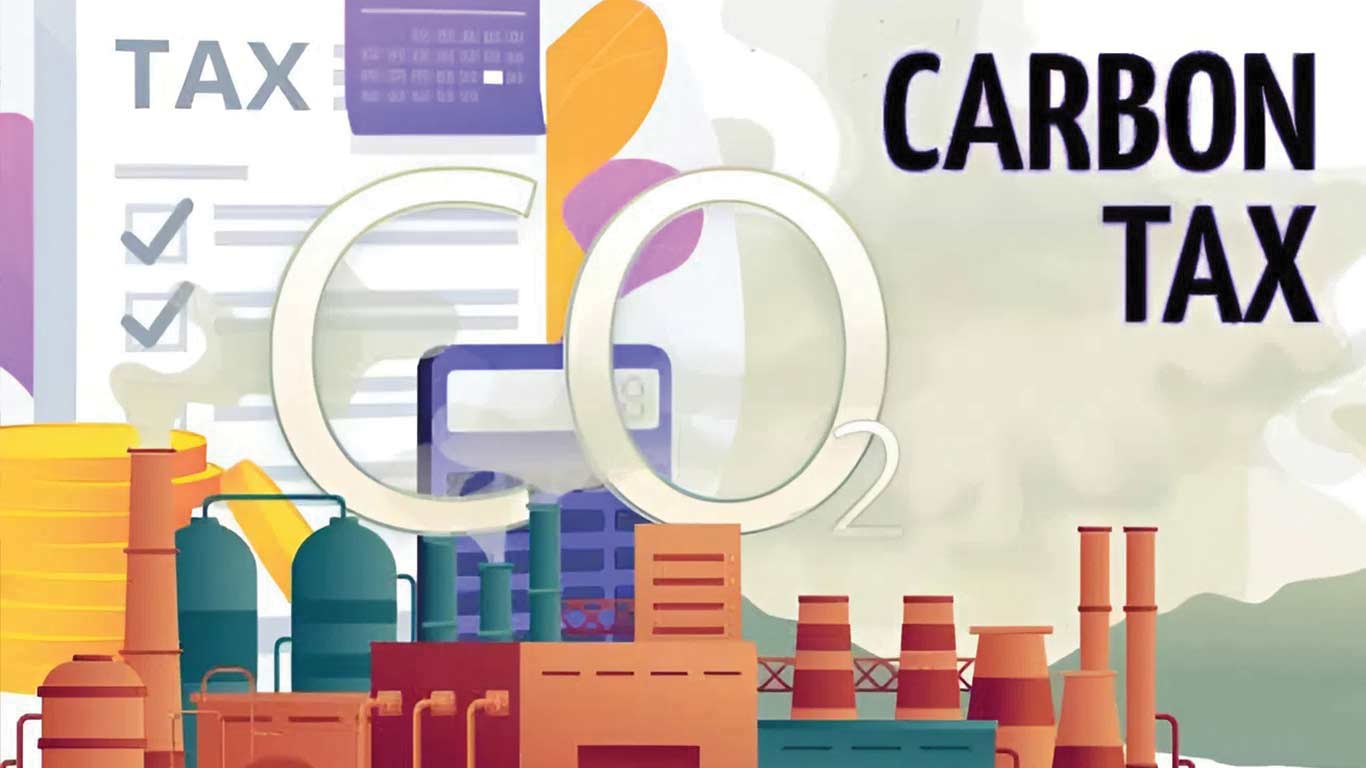
With 100 Days To EU Carbon Tax, India Lags In CBAM Preparedness: GTRI
New Delhi, Sep 22 (KNN) The Global Trade Research Initiative (GTRI) stated on Sunday that with just 100 days left before the European Union (EU) implements a carbon tax on certain imports, such as steel and aluminum, India has not yet taken substantial measures to ready its exporters.
From January 1, 2026, the EU will start levying charges under its Carbon Border Adjustment Mechanism (CBAM), which was notified in May 2023.
The measure, initially covering iron and steel, aluminum, cement, electricity, hydrogen, and fertilisers, is designed to align carbon costs of imported goods with those produced within the EU. The scope of the levy is expected to expand to other industrial products over time.
Under the framework, importers will pay a tariff based on the EU Emissions Trading System (ETS) price, adjusted for any carbon price already paid in the exporting country.
"Despite having a two-year transition period since October 2023, India has not significantly advanced its CBAM preparedness. Exporters, especially MSMEs, lack clarity on emissions reporting and verification processes," the Global Trade Research Initiative (GTRI) said, according to PTI.
No major policy initiative has been launched to support capacity building or subsidise compliance costs, it said.
“With EU CBAM levies kicking in from January 2026, the risk of further export contraction looms large,” GTRI founder Ajay Srivastava said.
India’s exports to the EU are already under pressure. Steel and aluminum shipments fell 24.4 percent in FY25 to USD 5.82 billion from USD 7.71 billion in FY24. Iron and steel exports saw the steepest decline at 35.1 percent, followed by a 9.8 percent drop in aluminum and a 6.8 percent fall in articles of iron and steel.
GTRI said this downturn, even before the CBAM levy takes effect, highlights the compliance burden facing Indian industry.
Srivastava recommended that India urgently adopt a comprehensive CBAM preparedness plan.
Key steps include fast-tracking the Carbon Credit Trading Scheme (CCTS) with clear sectoral benchmarks, robust monitoring, reporting, and verification (MRV) systems, and sufficient accredited verifiers to prevent compliance bottlenecks.
He also suggested that India negotiate flexibilities with the EU — similar to concessions reportedly extended to the United States — such as longer transition periods, partial waivers, or recognition of domestic carbon payments.
While the EU’s new strategic agenda indicates that payments under India’s upcoming CCTS could be offset against CBAM liabilities, GTRI said this is not a special concession, as the regulation already allows such deductions for all trading partners.
“Since India’s CCTS is not yet operational, exporters may bear the full CBAM burden starting January 1, 2026,” Srivastava cautioned.
(KNN Bureau)







 Loading...