GST Enforcement Changes May Improve Predictability of Interstate Goods Movement, Supply Chain Reliability for MSMEs: FISME
Updated: Nov 10, 2026 01:51:47pm

GST Enforcement Changes May Improve Predictability of Interstate Goods Movement, Supply Chain Reliability for MSMEs: FISME
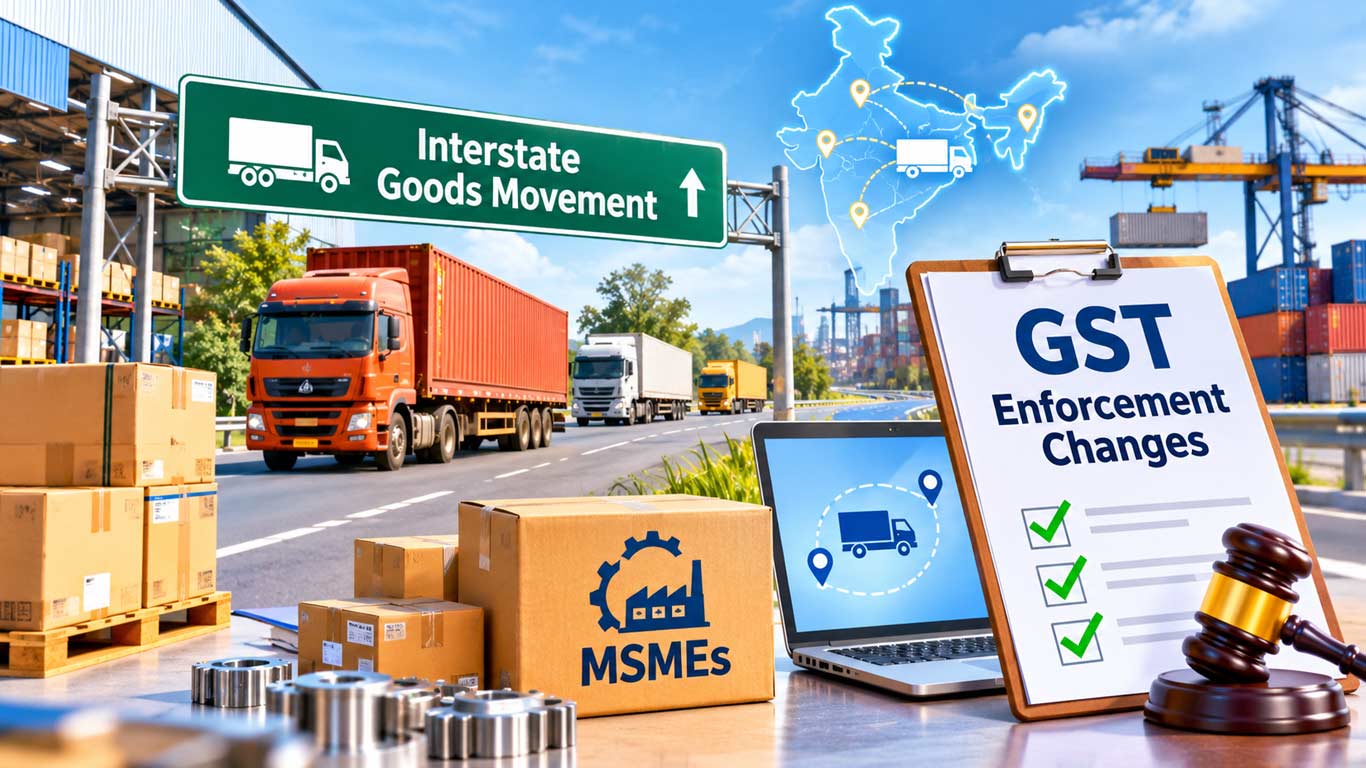
New Delhi, Nov 10 (KNN) Changes to GST inspection and enforcement provisions proposed at the GST Council meeting could make the interstate movement of goods more predictable for micro, small and medium enterprises (MSMEs), helping them serve customers in distant markets and strengthen supply-chain relationships, according to the Federation of Indian Micro and Small & Medium Enterprises (FISME).
The industry body highlighted that delivery reliability is critical for small suppliers seeking repeat orders. Detention of goods in transit can lead to additional truck charges, disrupt buyers' production schedules and delay payments, often placing a disproportionate burden on smaller businesses with limited inventory and negotiating power.
Safeguards Against Unnecessary Interception
Section 68 of the Central Goods and Services Tax (CGST) Act governs the inspection of goods in movement, Section 129 deals with detention and seizure, while Section 130 covers confiscation of goods and conveyances.
The GST reforms seek to introduce authorisation and jurisdictional safeguards to constrain unnecessary interception of goods during transit.
However, exceptions remain, including cases involving the absence of an e-way bill or documents relating to the origin and destination of goods.
Predictable Transit Could Strengthen MSME Supply Chains
FISME said more predictable movement of goods could help small manufacturers and suppliers serve customers across longer distances and participate in time-sensitive production chains.
Reducing avoidable transit delays could also improve delivery reliability, helping smaller suppliers build credibility and secure long-term vendor relationships.
FISME noted that the benefits would extend beyond goods suppliers to buyers and transporters, as fewer disruptions could reduce logistics costs and improve supply-chain efficiency.
MSME Beneficiary Numbers Remain Unclear
A reliable estimate of the number of MSMEs that could benefit from the changes is not available, the federation said.
E-way bill generation volumes indicate the scale of goods movement but cannot establish the number of distinct businesses benefiting from the safeguards. Goods suppliers are the principal group directly affected, while buyers and transporters could gain indirectly.
The industry body emphasised that the actual impact would depend on the consistent implementation of authorisation and jurisdictional safeguards and their effectiveness in preventing unnecessary detentions.
FISME suggested that tracking an interstate consignment and calculating the additional trucking charges, production disruptions and payment delays caused by even a single avoidable day of detention could help measure the economic benefits of more predictable goods movement.
(KNN Bureau)







 Loading...