India SME Forum Seeks GST Parity, Faster Liquidity Support for MSMEs
Updated: May 16, 2026 01:12:15pm

India SME Forum Seeks GST Parity, Faster Liquidity Support for MSMEs
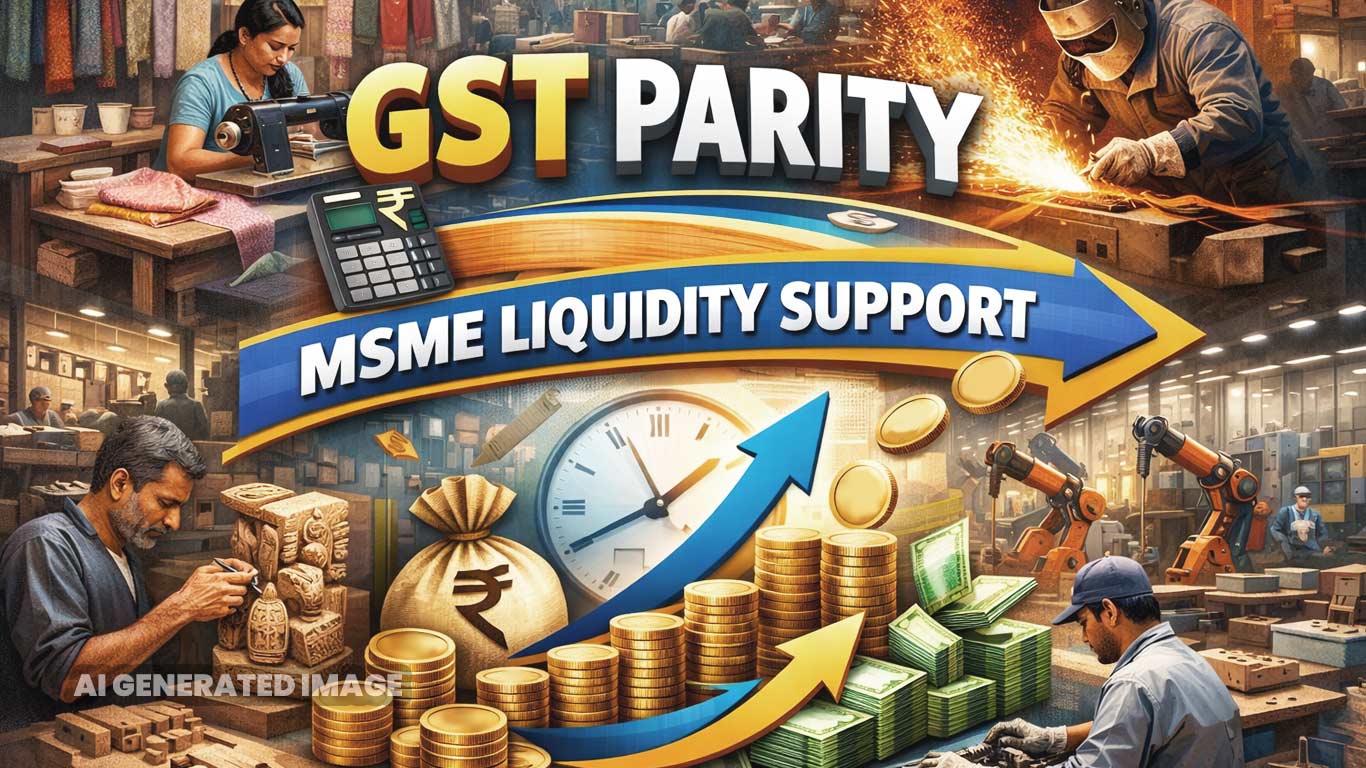
New Delhi, May 16 (KNN) India SME Forum (ISF) has called for greater GST parity, predictable compliance systems, faster liquidity support and uniform enforcement standards across India’s expanding e-commerce ecosystem.
The industry body said the recent ruling by the West Bengal Appellate Authority for Advance Ruling (WBAAAR) highlights the need for stronger platform accountability and competitive neutrality in digital commerce.
ECLGS 5.0 Seen As Timely Relief
ISF said the government’s approval of Emergency Credit Line Guarantee Scheme (ECLGS) 5.0 is a timely step as MSMEs grapple with geopolitical uncertainty, supply chain disruptions, rising logistics costs, inflation and weakening global demand.
However, it said structural liquidity issues and GST-related inconsistencies continue to burden small businesses.
The forum argued that GST policy must ensure competitive neutrality and prevent regulatory loopholes that give certain players an unfair advantage.
Concerns Over Tax Treatment In Digital Commerce
Referring to the WBAAAR ruling, it said tax treatment should reflect the actual nature of services, warning that dominant digital intermediaries should not benefit from lower tax burdens while MSMEs continue to pay GST across logistics, warehousing, advertising and other operational costs.
ISF added that inverted duty structures are worsening liquidity stress by blocking input tax credits and delaying refunds for MSMEs operating on thin margins.
Key Reform Demands
It called for clearer GST rules for e-commerce logistics, uniform interpretation across states, greater transparency in service taxation, faster automated refunds, expansion of refund eligibility under Section 54(3) to include input services and capital goods, rationalisation of inverted duty structures and simpler compliance norms for MSMEs.
ISF mentor Vinod Kumar said MSMEs have remained resilient despite repeated global disruptions, but future reforms must focus on fairness and transparency.
“MSMEs operate under rising logistics costs, platform dependency, return burdens and working capital constraints. Taxation frameworks must remain neutral, compliance should be predictable, and no structural interpretation should create unintended competitive advantages,” he said.
(KNN Bureau)







 Loading...


