Semiconductor Expansion Drives MSME Precision Manufacturing, Rs 2,000 Cr Component Exports: Vaishnaw
Updated: Sep 19, 2026 04:07:45pm

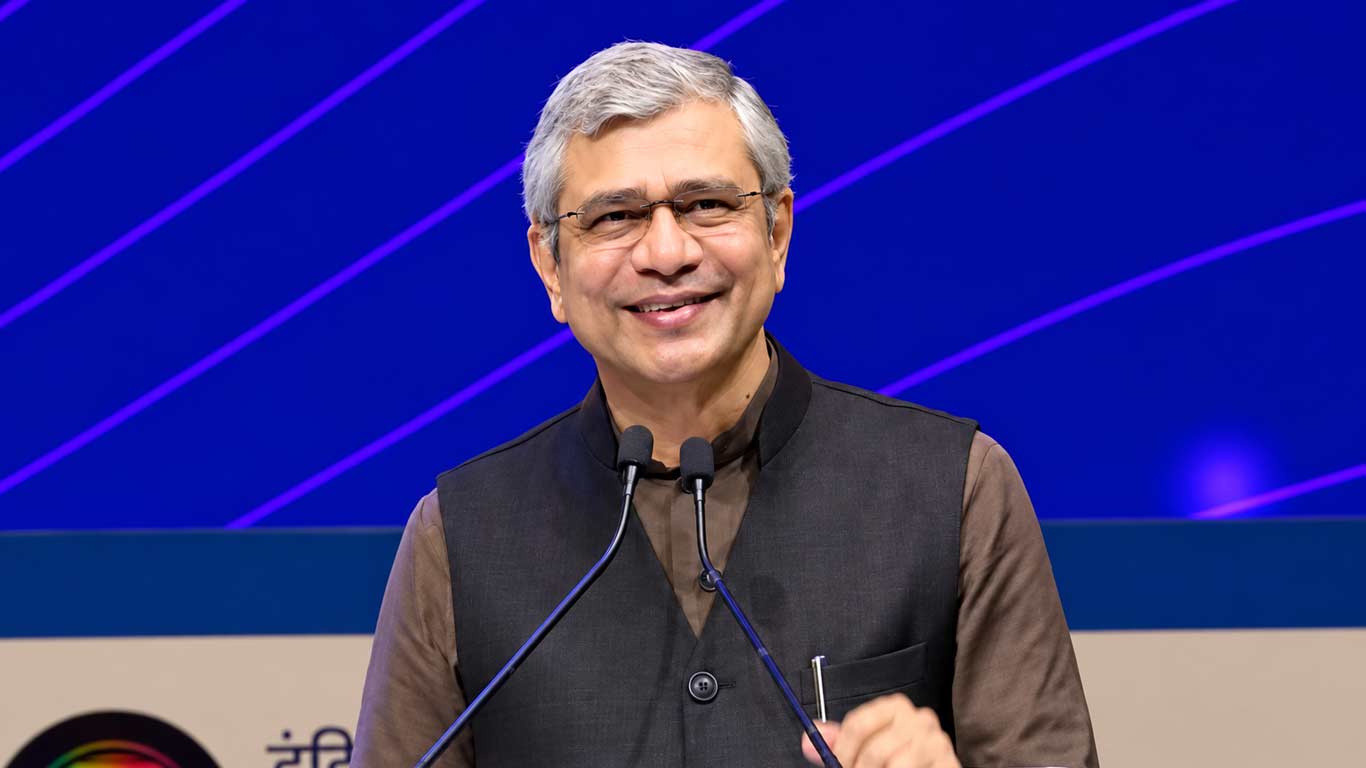
Semiconductor Expansion Drives MSME Precision Manufacturing, Rs 2,000 Cr Component Exports: Vaishnaw
New Delhi, Sep 19 (KNN) India’s semiconductor expansion is creating a wider precision-manufacturing ecosystem among micro, small and medium enterprises (MSMEs), with Electronics and IT Minister Ashwini Vaishnaw saying an industry player has begun exporting around Rs 2,000 crore worth of components from India, nearly 90 per cent of which are sourced from MSMEs.
Speaking at Semicon India 2026 in New Delhi, Vaishnaw said the next phase of India’s semiconductor programme would need to expand beyond fabs and advanced packaging to include domestic capabilities for manufacturing machinery, components, chemicals and other inputs.
Precision Manufacturing Emerging Across Industries
Vaishnaw said precision-manufacturing capabilities developed through electronics manufacturing are increasingly supporting sectors such as mobile phones, aerospace, aviation and defence, creating a horizontal manufacturing base that can feed into the semiconductor ecosystem.
He said the priority now is to improve the capabilities of these manufacturers through skills development and applied research within factories, including improvements in CNC machines, machining processes and production practices needed to meet semiconductor-grade quality standards.
Multi-Level Training For Advanced Manufacturing
The government is developing a multi-level training programme for precision manufacturing, beginning with a 240-hour Level 1 course and progressing through successive levels.
Vaishnaw said the objective is to create a pathway for students entering after high school to progressively acquire advanced manufacturing capabilities. The first precision manufacturing institute is expected to begin operations soon, with additional institutes planned.
The government’s existing target of training 1 lakh technicians under Semicon 2.0 could also be expanded as industry demand becomes clearer.
Semicon 2.0 Expands Manufacturing Base
Semicon 2.0 has six pillars covering chip design, semiconductor machinery and materials, fabs, advanced packaging, applied research and development, and talent, with an approved outlay of Rs 1.275 lakh crore.
Vaishnaw said five semiconductor units have already commenced commercial production and are exporting as well as supplying Indian companies. Government data has also confirmed commercial production from five units under the semiconductor programme.
India’s first large silicon fab, being developed by Tata Electronics and PSMC in Dholera, is targeted to begin wafer production in 2028, with a substantial portion of its capacity already booked.
Vaishnaw also highlighted growing localisation of semiconductor equipment, with Indian companies beginning to manufacture machine modules that were previously imported.
He said India’s design capabilities could further support localisation by enabling domestic companies to develop complex equipment rather than remaining limited to assembly.
(KNN Bureau)









 Loading...