India on Course to Meet 500 GW Clean Energy Capacity Target by 2030: Pralhad Joshi
Updated: Nov 14, 2026 03:32:14pm

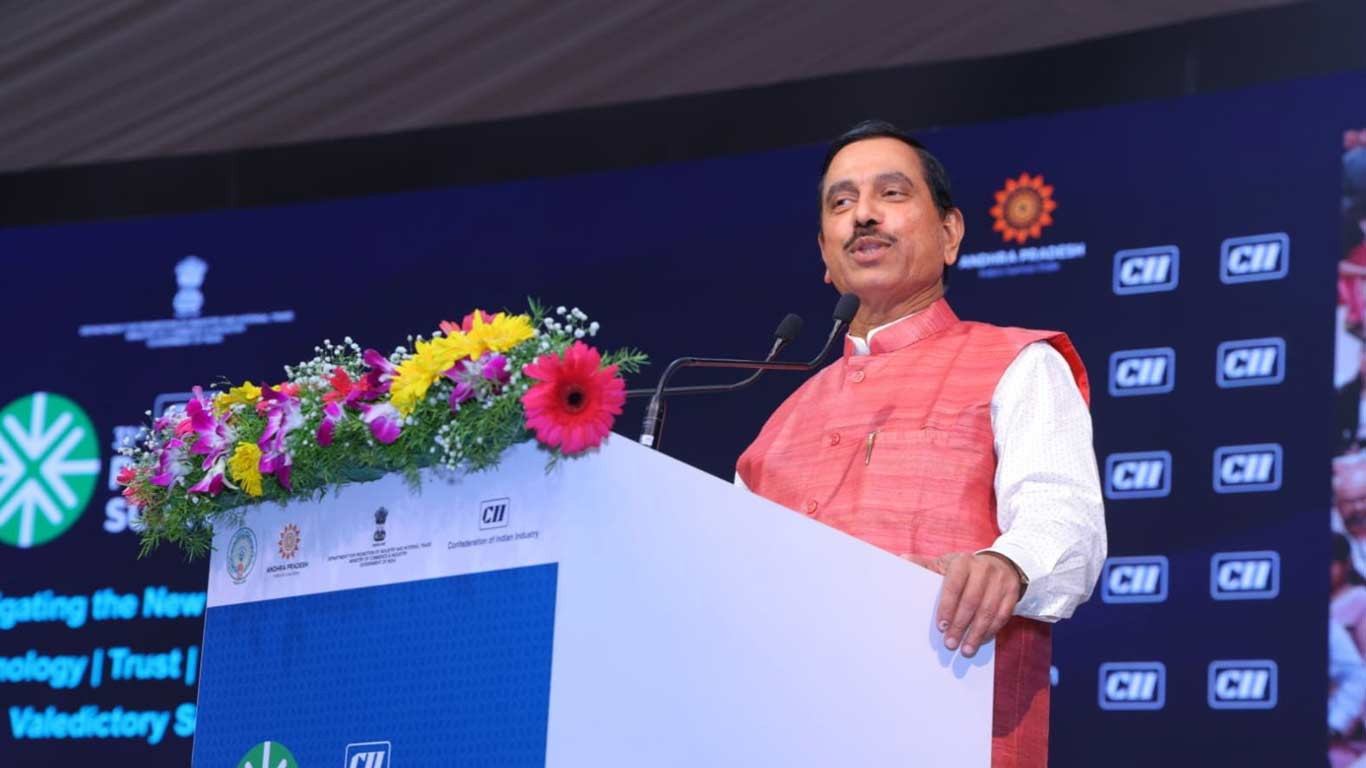
India on Course to Meet 500 GW Clean Energy Capacity Target by 2030: Pralhad Joshi
New Delhi, Nov 14 (KNN) India is on track to achieve its target of 500 GW of non-fossil energy capacity by 2030, Union Minister Pralhad Joshi said on Friday, highlighting renewable energy investments and domestic manufacturing as key drivers of energy security.
Addressing a session on sustainable energy at the 31st CII Partnership Summit in Visakhapatnam, Joshi said 17 agreements and three government orders in the renewable energy sector, exchanged at the summit, involved investments of Rs 43,871 crore and were expected to generate around 4,700 jobs, TNN reported.
He said the commitments reflected efforts by India and Andhra Pradesh to translate clean energy ambitions into projects and strengthen the country's position as a global green manufacturing hub.
Renewable Capacity and Power Demand
Joshi highlighted that India's peak power demand had risen from 123 GW in 2012 to around 270 GW recently, without interruptions despite nearly 33 per cent of electricity coming from non-fossil sources.
Recalling the 2012 grid collapse that left parts of north India without power for nearly 72 hours, he said the country had since strengthened its power infrastructure and generation capacity.
Solar power capacity has increased from 2.8 GW in 2014 to 175 GW, while non-fossil sources now account for around 55 per cent of India's installed power capacity, he added.
Rooftop Solar Expansion
Joshi noted that decentralised renewable energy was also gaining momentum, with 7.86 lakh households in Andhra Pradesh connected to rooftop solar systems.
Nationally, 66 lakh households have benefited under the PM Surya Ghar: Muft Bijli Yojana against a target of one crore households.
The average time for rooftop solar installation has fallen from 118 days for the first one lakh installations to six days currently. The ministry aims to reduce it further to five days, he said.
(KNN Bureau)









 Loading...