Power Ministry Proposes Delayed Payment Security for Standalone Energy Storage Projects
Updated: Nov 12, 2026 04:28:32pm

Power Ministry Proposes Delayed Payment Security for Standalone Energy Storage Projects
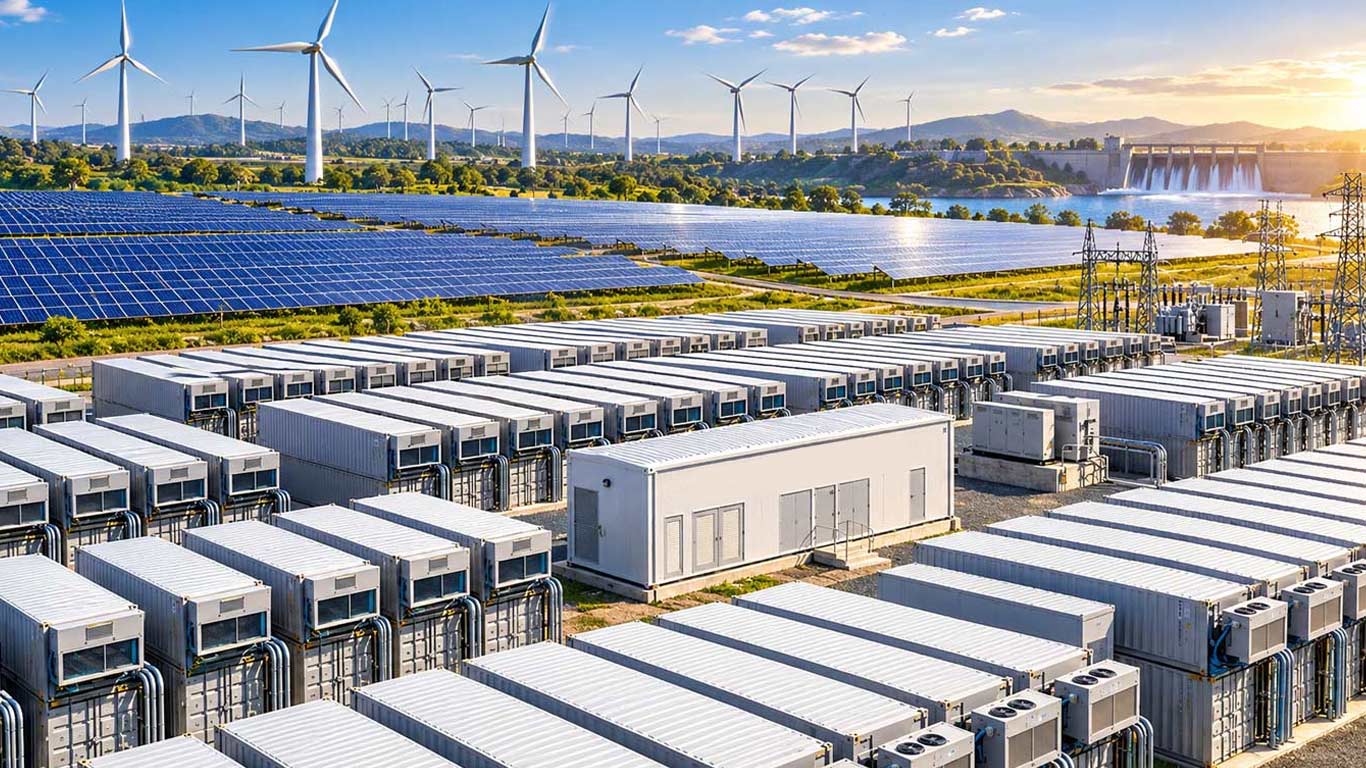
New Delhi, Nov 12 (KNN) The Power Ministry has proposed extending delayed payment safeguards to standalone energy storage systems (ESS), aiming to improve investor confidence and attract financing for battery and pumped hydro storage projects.
The proposed amendment to the Electricity (Late Payment Surcharge and Related Matters) Rules, 2022, would provide independent energy storage service providers the same statutory payment protections currently available to power generators, transmission companies and electricity traders, Business Standard reported.
Under the existing rules, DISCOMs must pay bills by the due date specified in power purchase agreements or within 45 days if no payment date is specified. Delayed payments attract a surcharge starting at the State Bank of India's one-year lending rate plus five percentage points, increasing by 0.5 percentage point for every month of delay.
The rules also require DISCOMs to maintain bank letters of credit and restrict their access to short-term electricity markets and power exchanges if bills remain unpaid for two-and-a-half months.
Standalone Storage Providers to Get Coverage
The ministry said energy storage projects require substantial upfront investment recovered through payments over several years, making timely payment assurance important for developers and lenders.
Under Rule 18 of the Electricity Rules, 2005, storage systems can be owned by generators, transmission companies, DISCOMs, consumers or independent companies. Storage systems owned by generators already receive LPS protection through their legal status, but standalone providers currently rely on contractual payment arrangements.
The proposed amendment seeks to add standalone energy storage service providers as a separate category under the LPS Rules, covering companies that provide storage services or supply electricity through storage independently of generators, transmission companies, DISCOMs or consumers.
Storage Capacity Set for Expansion
India's battery energy storage system capacity is projected to rise from 15 GWh in October 2026 to 321 GWh by 2035-36. Pumped hydro storage capacity is expected to increase from 44 GWh in September 2026 to 630 GWh over the same period.
The ministry said extending payment safeguards could improve financing certainty, reduce borrowing costs and attract investment in storage infrastructure.
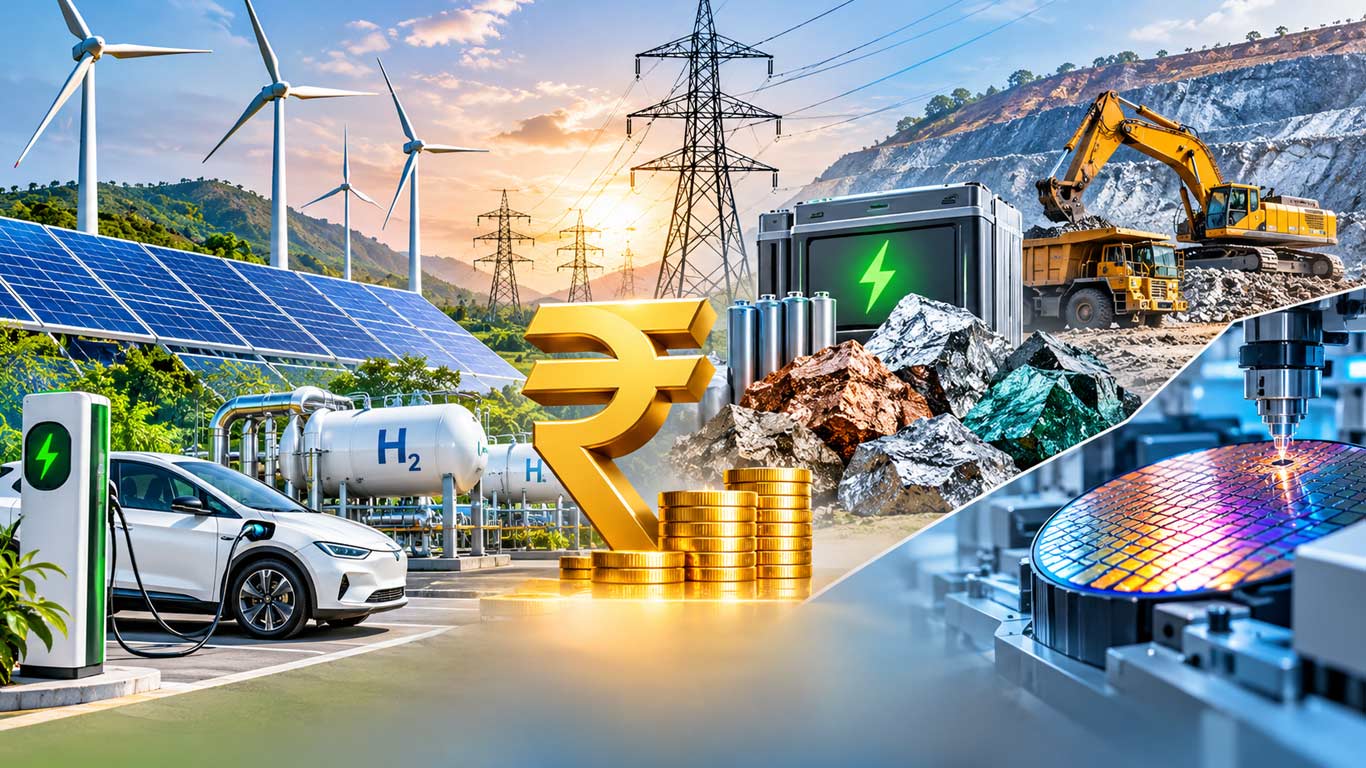
Energy storage is becoming increasingly important as solar and wind capacity expands, helping provide reliable round-the-clock power and improve the utilisation of renewable energy.
(KNN Bureau)





 Loading...