Centre Unveils Kharif Contingency Plan for 315 Districts
Updated: Jun 24, 2026 03:39:22pm

Centre Unveils Kharif Contingency Plan for 315 Districts
New Delhi, Jun 24 (KNN) The Centre has stepped up preparations for the Kharif sowing season amid concerns over a delayed monsoon and the possibility of El Niño-related weather disruptions.
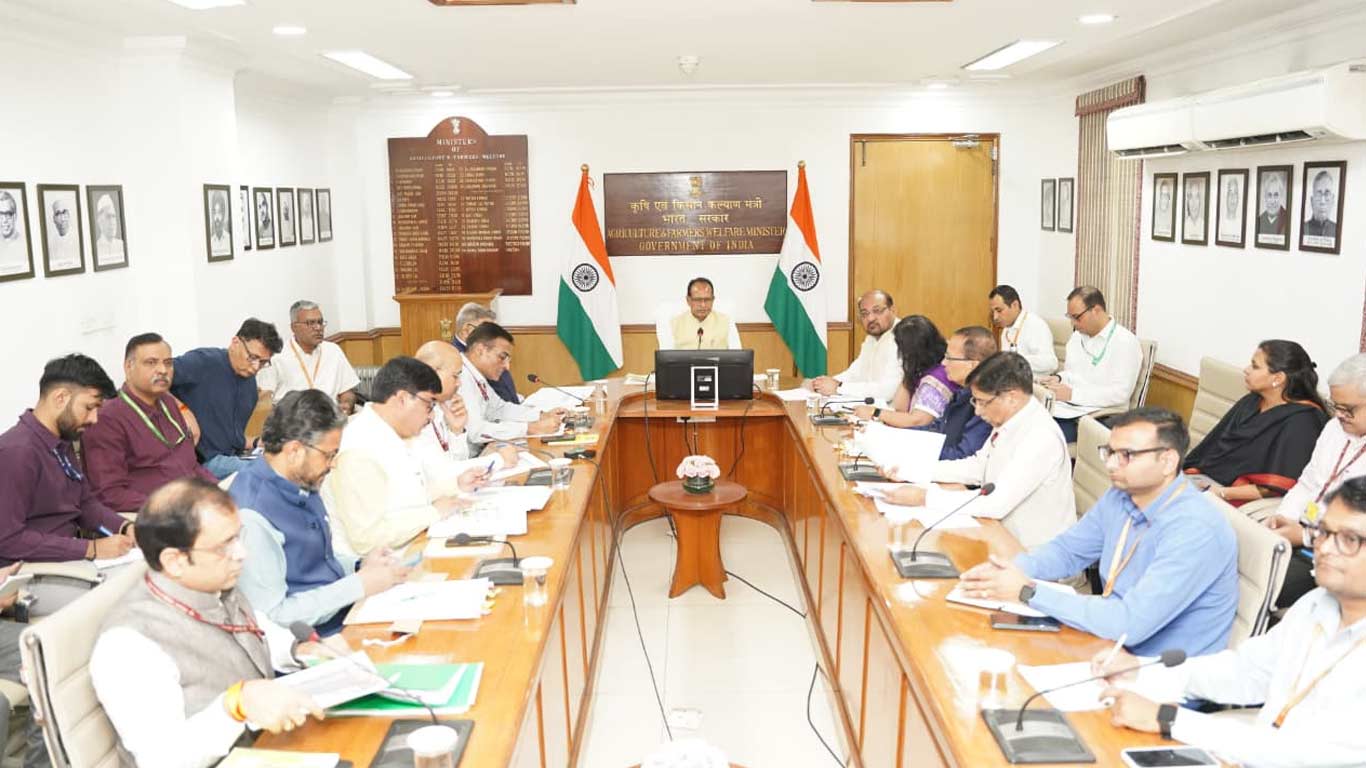
The Union Agriculture Minister Shivraj Singh Chouhach held a high-level review meeting with states, agricultural scientists and meteorological officials.
Following the review, the government identified 315 districts that could face the impact of below-normal rainfall and inadequate irrigation.
Of these, 111 districts have been categorised as high priority due to irrigation coverage of less than 25 per cent, while 76 districts fall in the medium-priority category and 128 in the low-priority category.
Most of the vulnerable districts are located in Madhya Pradesh, Maharashtra, Gujarat, Uttar Pradesh, Rajasthan, Karnataka, Bihar, Jharkhand, Telangana, Andhra Pradesh and Odisha.
The agriculture ministry, in coordination with the Indian Council of Agricultural Research (ICAR) and ICAR-CRIDA, has prepared district-specific contingency plans outlining alternative cropping options, crop diversification measures, water management strategies and risk mitigation interventions to address possible rainfall deficits.
Water conservation emerged as a key focus of the review. States have been directed to accelerate the repair and strengthening of ponds, reservoirs, check dams, farm ponds and other water-harvesting structures, while prioritising water conservation works under rural development programmes.
Reservoir storage levels across river basins were also reviewed to identify regions requiring additional intervention.
The Centre has advised states to promote short-duration and low-water-consuming crop varieties in rainfed areas and encourage crop diversification, intercropping and mixed farming practices. Pulses, millets and oilseeds have been identified as priority crops in areas facing moisture stress.
The government said adequate arrangements have been made for seeds and fertilisers for the Kharif season, including additional seed reserves for districts where resowing may become necessary.
Fertiliser availability, including urea, DAP, MOP, NPK and SSP, has been reported as sufficient, with separate monitoring mechanisms in place for vulnerable regions.
To strengthen field-level advisory services, Krishi Vigyan Kendras (KVKs) and agro-meteorological units have been tasked with disseminating weather-based crop advisories through digital platforms, mobile messaging services, call centres and traditional media channels.
The central government has also directed states to expand coverage under the Pradhan Mantri Fasal Bima Yojana (PMFBY) and expedite the issuance of Kisan Credit Cards (KCCs) to eligible farmers.
Officials said PMFBY, KCC and PM-KISAN support would form a key part of the government's preparedness strategy in vulnerable districts.
A multi-tier monitoring mechanism involving central ministries, state governments, district administrations and technical institutions has been established to track monsoon progress, crop conditions, input availability and emerging risks.
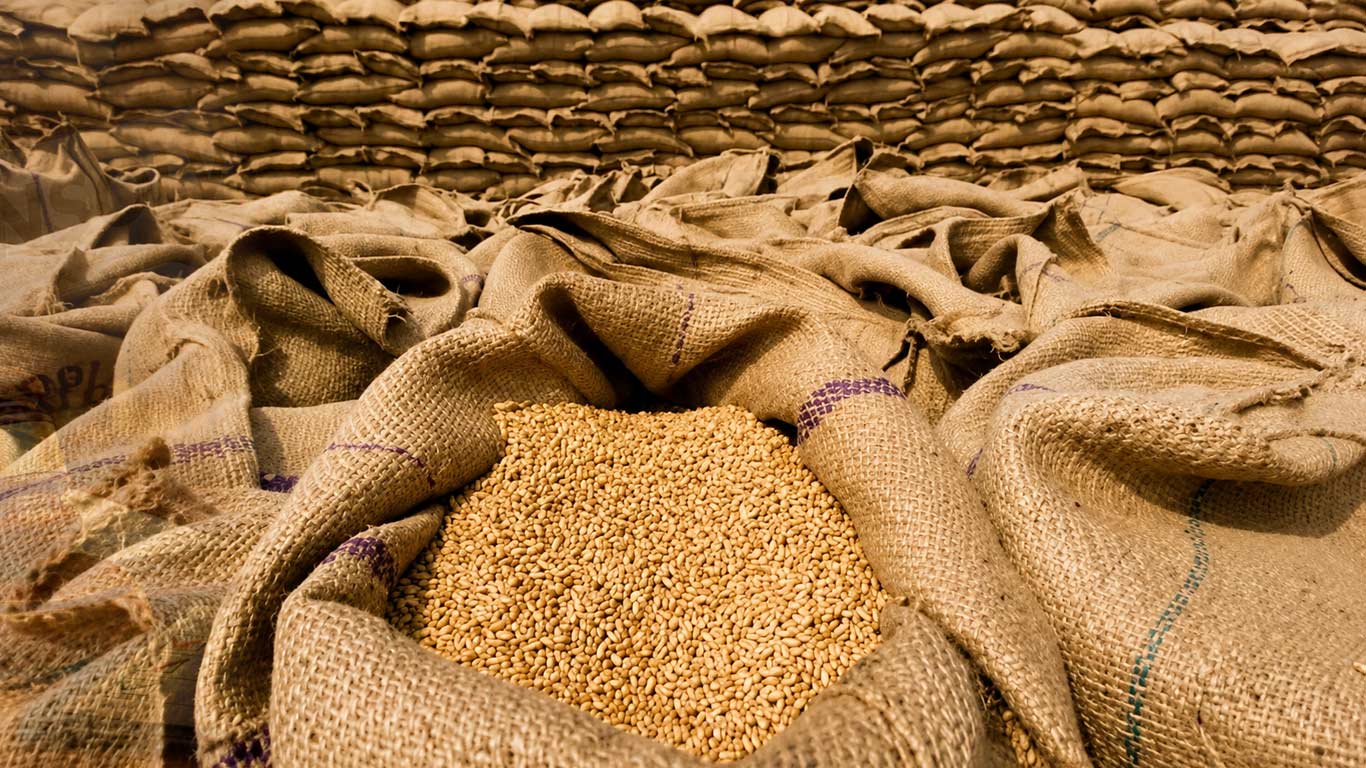
The government stated that foodgrain production targets for the Kharif season remain unchanged and buffer stocks of rice and wheat are at comfortable levels, indicating no immediate concerns over national food security despite uncertainties surrounding the monsoon.
(KNN Bureau)










 Loading...


