PMFME Scheme Offers Up To Rs 10 Lakh Subsidy To Micro Food Processing Enterprises
Updated: Jan 31, 2026 05:17:45pm

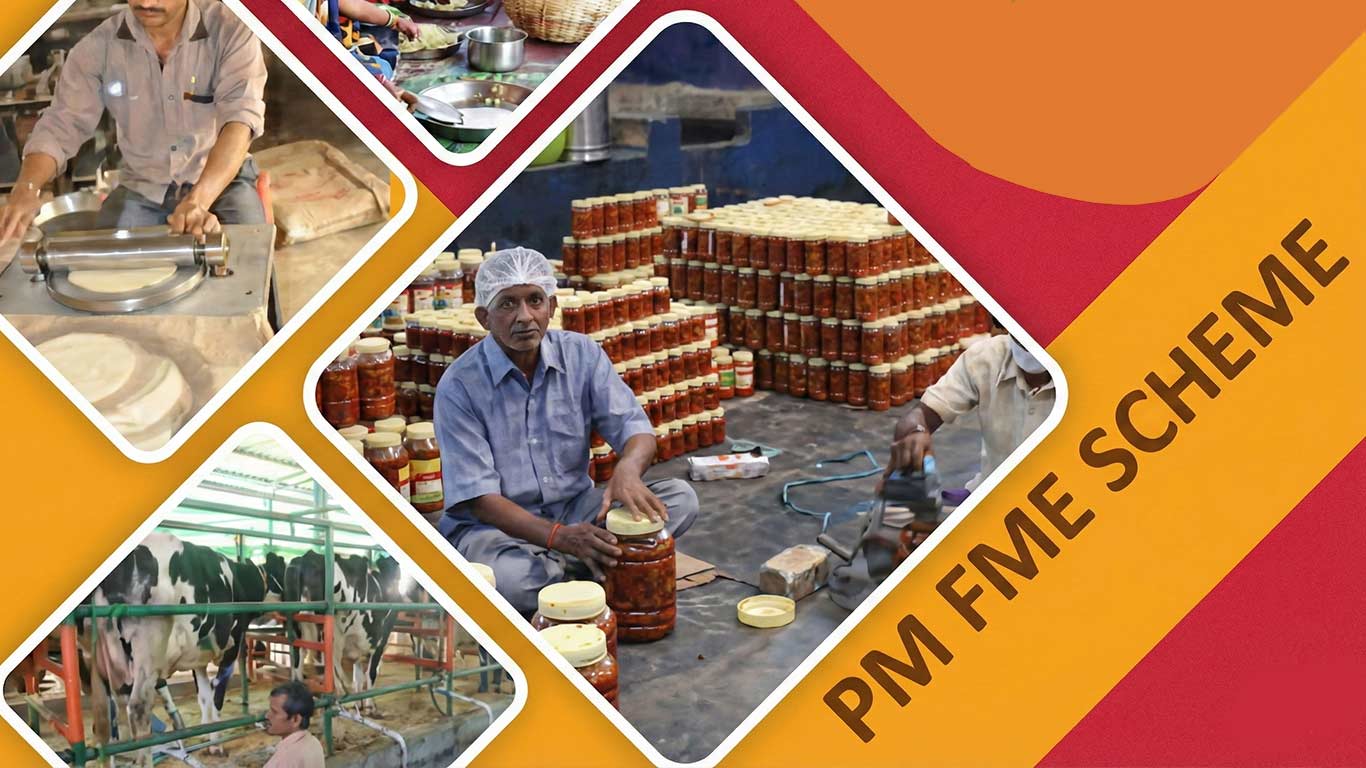
PMFME Scheme Offers Up To Rs 10 Lakh Subsidy To Micro Food Processing Enterprises
Lucknow, Jan 31 (KNN) Minister of State for Food Processing Industries Ravneet Singh, replying to a question in Parliament, said that under the PMFME scheme, individual and group micro enterprises are eligible for a credit-linked capital subsidy of 35 per cent of the project cost, subject to a maximum of Rs 10 lakh per unit.
The scheme also supports self-help groups (SHGs), farmer producer organisations (FPOs) and cooperatives through seed capital, common infrastructure, incubation centres, branding and marketing assistance, and capacity-building programmes.
He highlighted that financial assistance under the Pradhan Mantri Formalisation of Micro Food Processing Enterprises (PMFME) scheme is being provided to the Etah-Kasganj, Aonla and Jaunpur parliamentary constituencies in Uttar Pradesh, based on demand and eligibility.
Bank Sanctions and Implementation Challenges
The Minister said the loan sanction success rate under PMFME stands at around 42 per cent, which is comparable with other government credit-linked schemes.
While banks sanction loans based on their internal policies, regular meetings are held with banks and state governments to address delays and implementation issues. District Resource Persons have also been deployed to provide handholding support to beneficiaries.
ODOP-Based Branding and Market Linkages
Under the One District One Product (ODOP) approach, the scheme supports processing, branding and marketing of local products. The Ministry provides grants of up to 50 per cent of eligible project cost for branding and marketing, including quality control, standardisation and packaging.
Tie-ups with retail chains and a memorandum of understanding with the Government e-Marketplace (GeM) portal have been put in place to improve market access.
Monitoring and Reviews
The Minister said implementation is regularly reviewed through meetings with banks, state governments and district authorities. Monitoring is also carried out through a Management Information System that tracks district-wise applications, sanctions and outcomes.
(KNN Bureau)









 Loading...