India's Electric Vehicle Sales Show Growth Despite Low Adoption Rates: Report
Updated: May 28, 2025 03:34:36pm

India's Electric Vehicle Sales Show Growth Despite Low Adoption Rates: Report
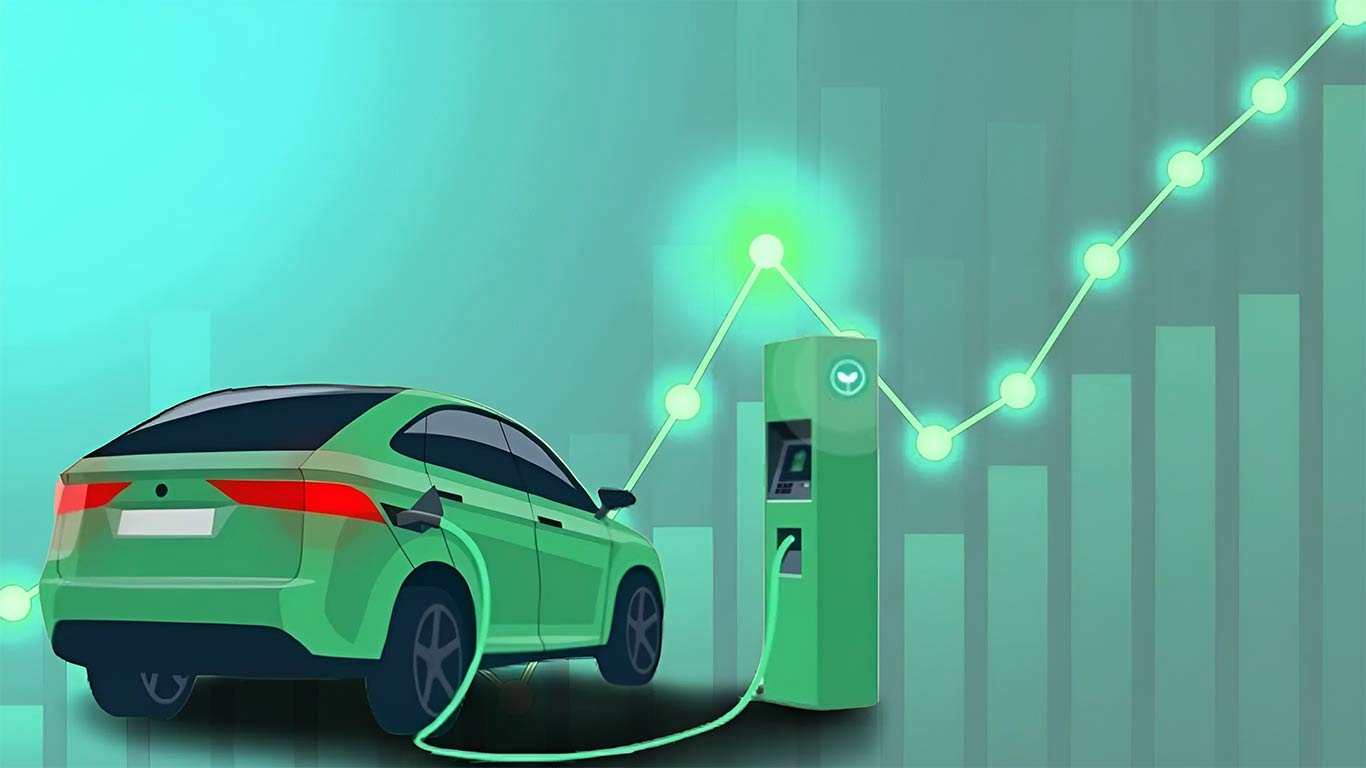
New Delhi, May 28 (KNN) Electric vehicle sales in India have experienced substantial growth across all segments over the past decade, though adoption rates remain limited despite considerable government financial support, according to a comprehensive study released by the Institute for Energy Economics and Financial Analysis (IEEFA).
The research report, titled ‘From Incentives to Adoption,’ provides a detailed 10-year analysis covering the period from 2014 to 2023, examining government subsidies and policy measures implemented through FAME-I, FAME-II, Production Linked Incentives (PLI), and various state-level programs.
The study evaluates the effectiveness of these initiatives across five distinct electric vehicle categories.
The electric two-wheeler segment demonstrated remarkable growth, with sales increasing from 19,333 units in fiscal year 2019 to more than 650,000 units by fiscal year 2023.
Despite this impressive expansion, the adoption rate representing the proportion of electric vehicles within total two-wheeler sales reached only 4 percent by the end of 2023.
The report indicates that FAME-II's enhanced subsidy intensity of 28.65 percent, compared to FAME-I's 14.32 percent, resulted in up to nine times higher absolute electric two-wheeler sales, while producing limited influence on overall market composition.
Charith Konda, Energy Specialist, IEEFA and co-author of the study, emphasised the importance of maintaining purchase subsidies to preserve current momentum while establishing clear communication regarding the gradual reduction of these incentives over the long term.
The electric three-wheeler passenger segment benefited significantly from early policy support during FAME-I, achieving a tenfold market multiplier effect.
Approximately 27,000 additional vehicles were directly linked to FAME-I subsidies, with total segment sales reaching 267,000 units by March 2019.
However, the segment reached maturity during the FAME-II period, showing minimal additional impact from subsequent subsidies.
In the electric three-wheeler cargo category, market share increased substantially from 0.03 percent in 2015 to over 31 percent by 2023.
The study determined that this growth was primarily driven by operational cost advantages rather than central government subsidies.
Research findings indicate that a one percent reduction in operating costs corresponded to a 0.563 percent increase in sales, demonstrating the significance of business economics in commercial vehicle segments.
Electric four-wheeler commercial vehicle sales improved following the implementation of FAME-II and PLI schemes.
A one-standard-deviation increase in subsidy intensity resulted in a five percent rise in sales, though the adoption rate remained below one percent.
States that implemented incentive programs experienced 211 percent higher sales growth compared to those without such measures.
The private electric four-wheeler segment showed sales growth attributed to new model introductions and consumer demand, but adoption rates stayed below two percent. The report emphasises the continued need for support in this category.
Both FAME-I and FAME-II programs failed to produce statistically significant impact on electric bus adoption, according to the study.
Only 4,766 units received subsidies against a target of 7,262, with the sector continuing to face structural challenges including limited financing access and high initial costs.
Saurabh Trivedi, Sustainable Finance Specialist, IEEFA, noted that coordinated central and state government action, combining targeted purchase incentives, infrastructure development, and manufacturing expansion, could help electric vehicles compete effectively in India's commercial vehicle market.
The study recommends continued fiscal support, investment in public charging infrastructure, interest rate subsidies for buses, and targeted financing assistance for smaller commercial operators.
As India transitions from FAME schemes to PM E-DRIVE and similar initiatives, policymakers must recognise that each electric vehicle segment requires customised intervention strategies, according to Konda.
The comprehensive analysis utilised panel data comprising 21,526 observations over the 10-year period, representing the first empirical assessment of India's electric vehicle subsidy performance using econometric techniques including difference-in-differences and synthetic control methods.
(KNN Bureau)






 Loading...