Tighter Energy Norms To Cut Legacy Urea Plant Profitability By 25%: Crisil Ratings
Updated: Aug 13, 2026 04:48:17pm

Tighter Energy Norms To Cut Legacy Urea Plant Profitability By 25%: Crisil Ratings
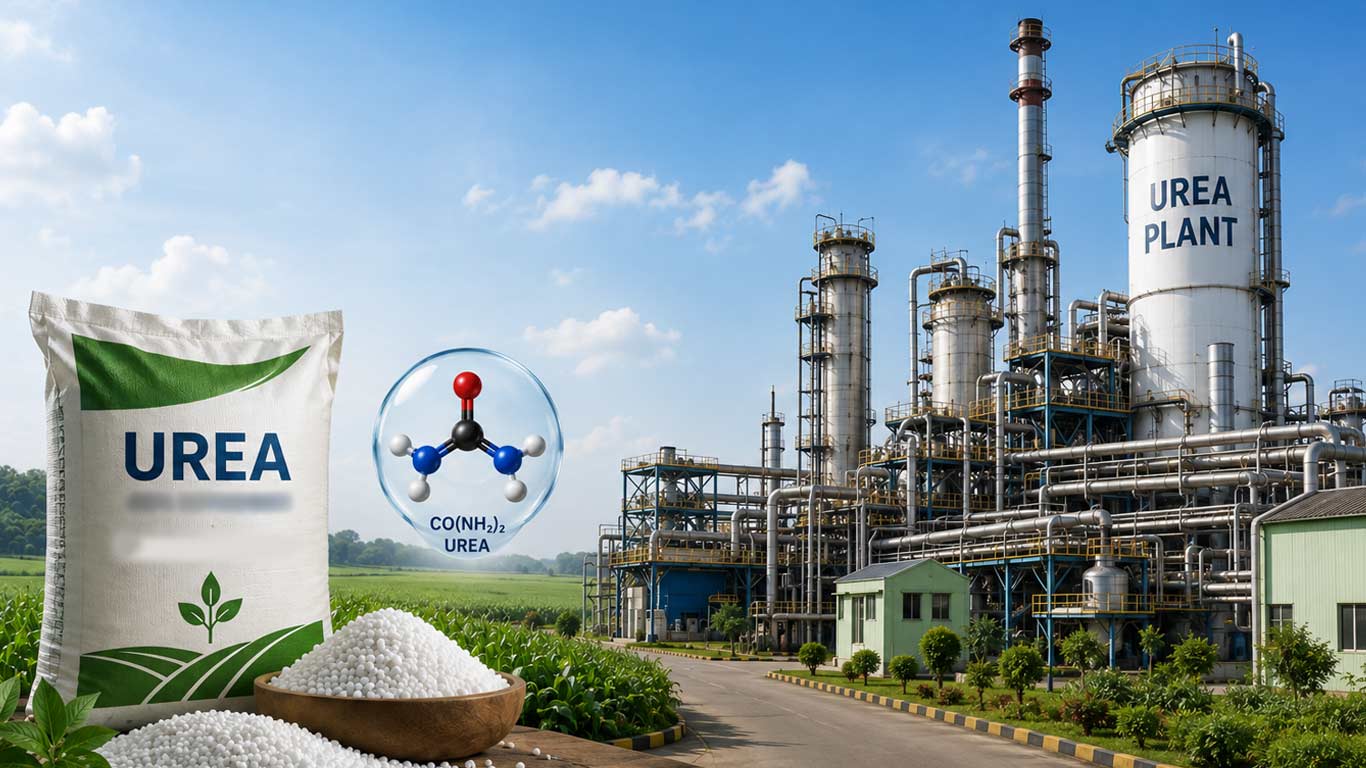
New Delhi, Aug 13 (KNN) Legacy urea plants are likely to face a structural decline in profitability following tighter energy-efficiency norms announced on July 30, 2026, according to Crisil Ratings.
In a report, the ratings agency said it expects gains from energy efficiency to decline, reducing operating profitability by around 25 per cent to approximately Rs 1,250 per tonne from Rs 1,700 per tonne.
The impact is expected to vary across manufacturers, with companies more dependent on legacy urea operations likely to face greater pressure. Plants that previously benefited most from energy-efficiency savings are also expected to see a sharper decline in earnings, the report added.
Credit Impact Expected To Remain Contained
Despite the expected earnings pressure, Crisil Ratings noted that the credit profiles of its rated urea manufacturers are unlikely to face material stress. Diversification into complex fertilisers, crop-protection chemicals and other businesses, along with controlled leverage, is expected to provide a buffer.
Crisil's analysis covers manufacturers accounting for around 70 per cent of India's legacy urea capacity.
Legacy plants account for about 74 per cent of India's total urea manufacturing capacity, while the remaining plants were established under the New Urea Policy (NUP) 2012. NUP plants are assured a 12 per cent return on equity and are insulated from the latest change in energy norms until the policy period ends.
Energy Savings Key To Legacy Plants' Profitability
Legacy urea manufacturers rely heavily on government subsidies, which account for around 80-85 per cent of their revenue. The subsidy comprises compensation for variable costs based on prescribed energy norms and a fixed-cost component per tonne.
With the fixed-cost component last revised in March 2007, rising fixed costs have resulted in under-recoveries for several manufacturers. As a result, profitability has become increasingly dependent on energy-efficiency gains, with plants retaining savings achieved against prescribed norms.
The government has progressively tightened energy norms, with the latest changes reducing the composite energy norm to around 5.67 Gcal per tonne. At the end of fiscal 2025, the norm stood at about 5.77 Gcal per tonne, while actual consumption was around 5.5 Gcal per tonne.
Crisil Ratings Director Anand Kulkarni said nearly three-fourths of operating profitability from legacy urea operations is linked to energy-efficiency gains. He added that targeted investments in energy efficiency could partly offset the impact over the medium term, although the potential benefits would depend on plant age and the scope for technological upgrades.
Gas Prices May Provide Partial Cushion
Past investments in energy efficiency have helped reduce the sector's composite energy consumption to around 5.5 Gcal per tonne in fiscal 2025 from about 5.71 Gcal per tonne in fiscal 2020.
Gas prices will also influence the impact on profitability. Crisil Ratings estimates that higher gas prices, including those linked to the West Asia conflict, could partly offset the decline in profitability by around Rs 75-100 per tonne in the current fiscal.
Crisil Ratings Associate Director Nitin Bansal noted, “Despite the earnings pressure on legacy urea plants, the aggregate credit impact is expected to remain contained. Legacy urea operations contribute only about 30 per cent of Ebitda for the rated universe, with the balance generated by diversified businesses such as complex fertilisers and crop-protection chemicals.”
(KNN Bureau)









 Loading...


