Electronics Production Increased Six-fold To Rs 11.3 Lakh Crore In FY25: Govt
Updated: Mar 14, 2026 01:25:12pm


Electronics Production Increased Six-fold To Rs 11.3 Lakh Crore In FY25: Govt
New Delhi, Mar 14 (KNN) India’s electronics manufacturing sector has witnessed significant expansion, with production of electronic goods increasing sixfold to Rs 11.3 lakh crore in 2024–25, while exports have grown eightfold to Rs 3.3 lakh crore, the government informed the Rajya Sabha.
Minister of State for Electronics and Information Technology Jitin Prasada said the growth reflects the government’s strategy to build a comprehensive domestic electronics ecosystem aligned with the Make in India and Atmanirbhar Bharat initiatives.
According to the Ministry of Electronics and Information Technology, India initially focused on manufacturing finished electronic products before moving to module production. The current emphasis is on developing sub-modules, components, and upstream raw materials, tools and machinery required for electronics manufacturing.
Several policy initiatives have supported this expansion, including the Production Linked Incentive Scheme for Large Scale Electronics Manufacturing, Production Linked Incentive Scheme for IT Hardware, the Electronics Components Manufacturing Scheme (ECMS), the Scheme for Promotion of Manufacturing of Electronic Components and Semiconductors (SPECS), and the Electronics Manufacturing Clusters Scheme (EMC and EMC 2.0).
Additional reforms include the Public Procurement (Preference to Make in India) Order 2017, tariff rationalisation measures, customs duty exemptions on capital goods, and allowing 100 percent foreign direct investment in electronics manufacturing subject to applicable regulations.
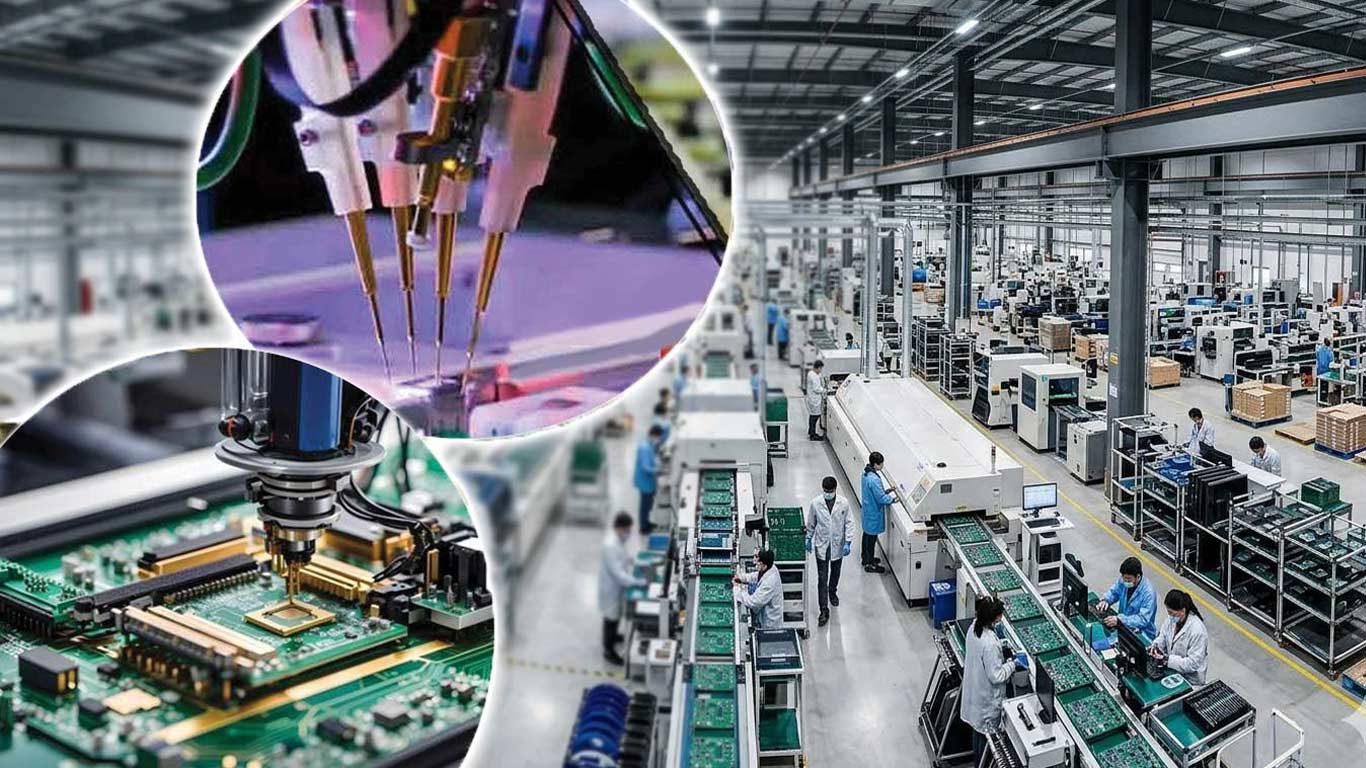
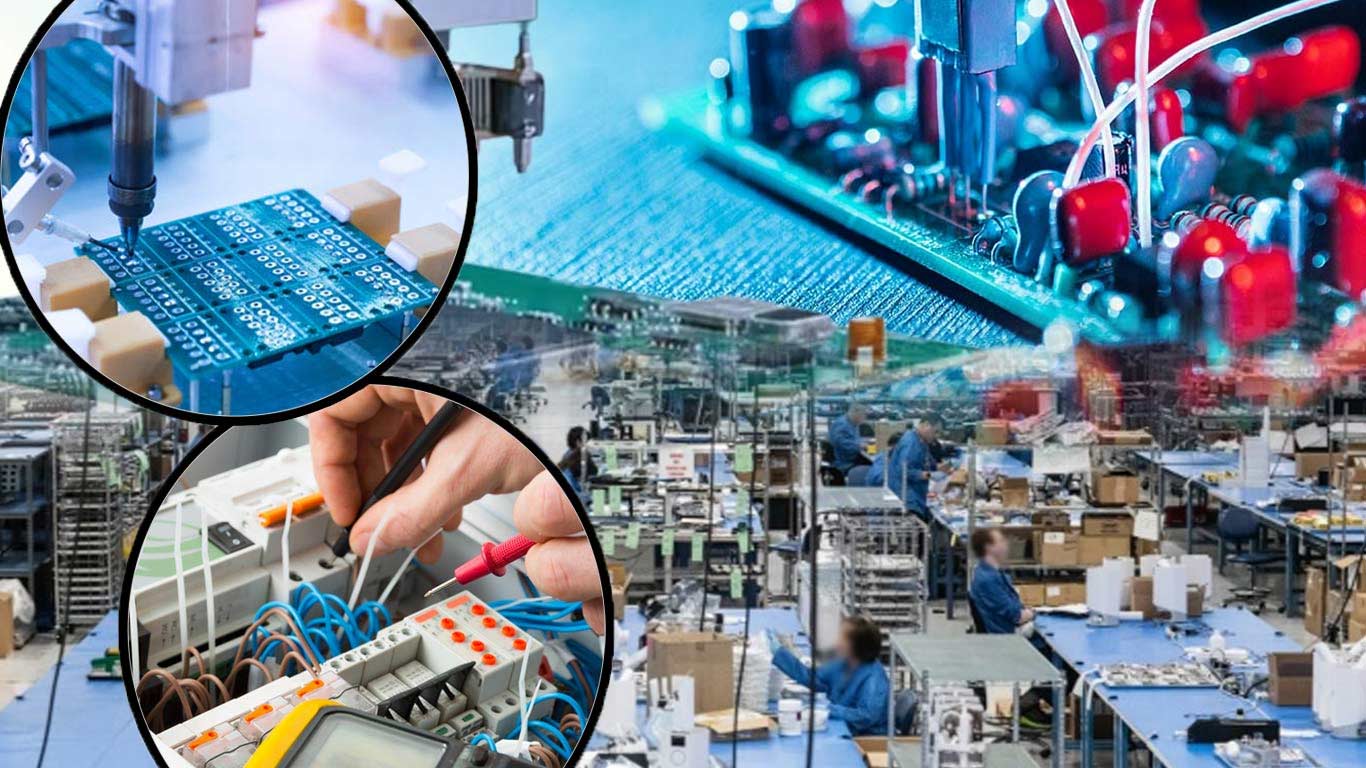
Under the ECMS, the government aims to deepen the domestic electronics supply chain by promoting manufacturing of key components such as printed circuit boards (PCBs), passive and electro-mechanical components, sub-assemblies, camera modules, optical transceivers and capital goods used in electronics production.
The scheme has received applications for projects involving investment of about Rs 1.15 lakh crore, with an estimated production value of around Rs 10.35 lakh crore. In response to strong industry interest, the Union Budget 2026 increased the scheme’s outlay from Rs 22,919 crore to Rs 40,000 crore.
So far, 46 applications across 11 states have been approved, expected to attract Rs 54,567 crore in investment and generate over 50,000 direct jobs.
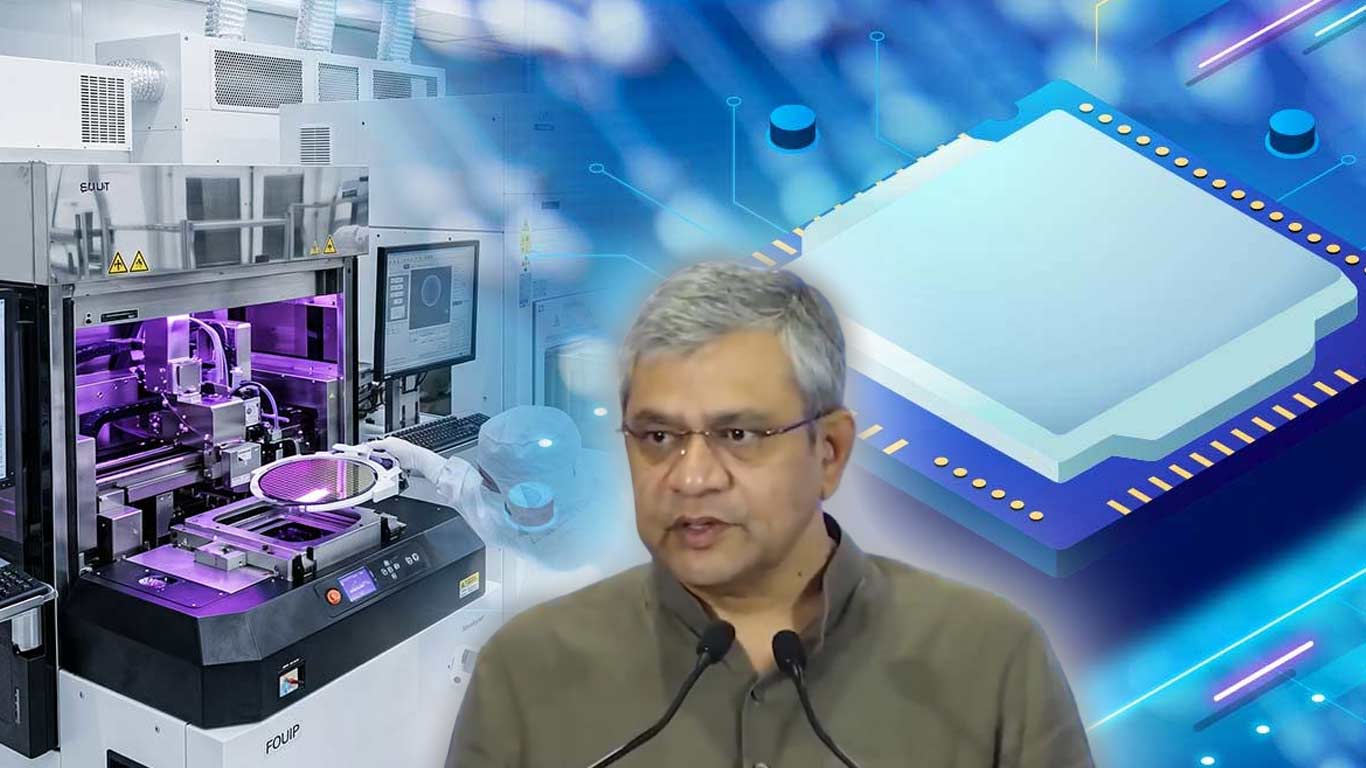
The government also highlighted progress under the Semicon India Programme, which seeks to develop a domestic semiconductor and display manufacturing ecosystem.
Within three years of its launch, the programme has secured investment commitments of about Rs 1.6 lakh crore, with 10 semiconductor units approved, including two fabrication plants and eight ATMP/OSAT facilities. One unit has begun commercial production while three others are currently in pilot production.
Complementing manufacturing efforts, the Design Linked Incentive Scheme (DLI) supports semiconductor design and development. So far, 24 semiconductor design projects valued at Rs 900 crore have been approved, targeting applications such as video surveillance, drone detection, satellite communications, microprocessors, broadband and Internet-of-Things systems.
In addition, 105 fabless chip design companies have been supported with access to advanced design infrastructure, while 315 universities have received access to electronic design automation tools for semiconductor research and training.
Building on these initiatives, the Union Budget 2026–27 announced India Semiconductor Mission 2.0, aimed at strengthening domestic capabilities in semiconductor equipment, materials, design and intellectual property while reinforcing supply chain resilience.
(KNN Bureau)







 Loading...