Govt Likely to Introduce Energy Storage Procurement Mandate for Discoms by March 2027
Updated: Nov 06, 2026 01:33:43pm

Govt Likely to Introduce Energy Storage Procurement Mandate for Discoms by March 2027
New Delhi, Nov 6 (KNN) The government plans to make state power utilities and electricity distribution companies (discoms) procure energy storage capacity as part of their renewable power purchases, in a move aimed at reducing electricity shortages during evening and night-time hours and improving grid reliability.
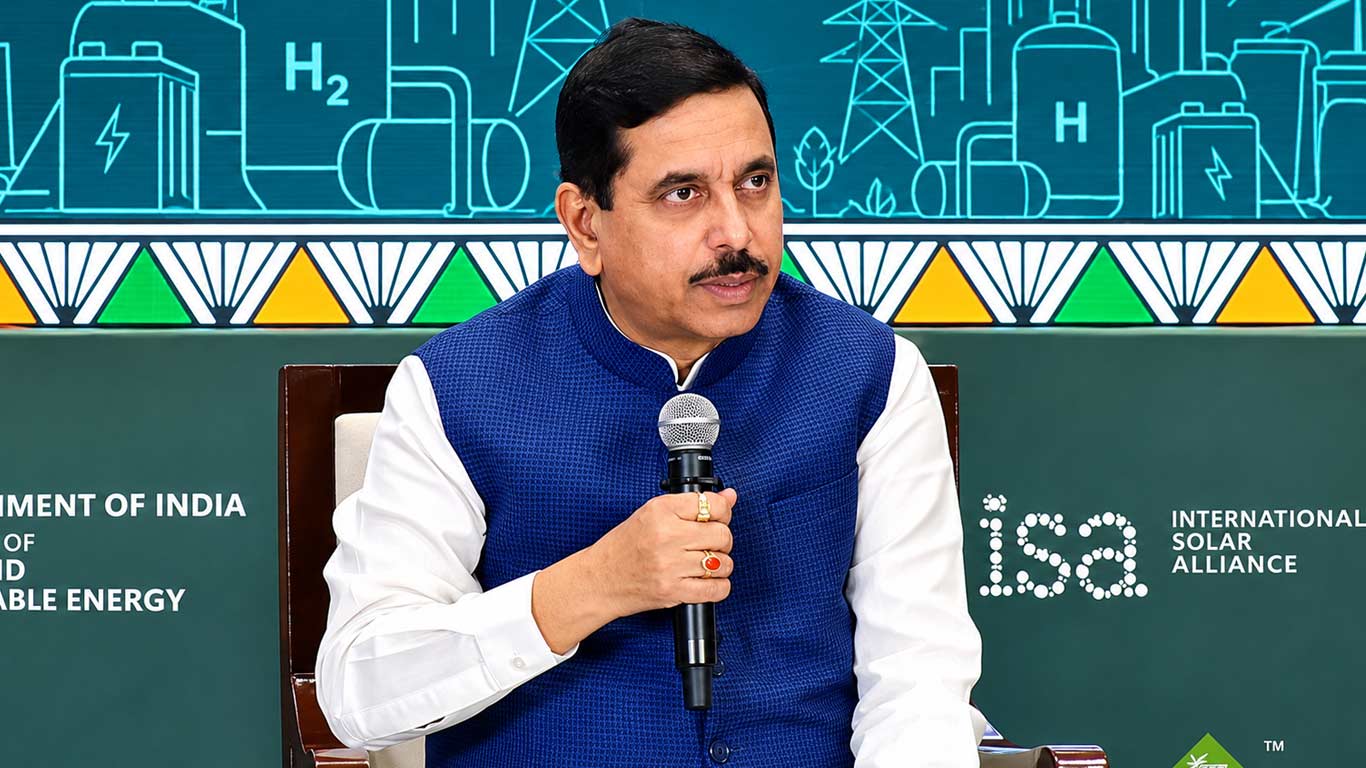
Power Secretary Pankaj Agarwal announced the proposed requirement at the Bharat Renewable Energy Summit in New Delhi on Thursday. He said the government was working towards finalising the regulations by March 2027, with stakeholder consultations and notification expected to be completed within three months.
The requirement is expected to apply to licensed utilities, while renewable energy developers would also face mandatory storage integration norms.
Storage Requirements Yet to Be Finalised
Agarwal said the government was examining minimum storage requirements, with proposals involving storage capacity equivalent to 10 per cent and 20 per cent for two-hour durations. However, the final requirement and implementation timeline are yet to be determined.
The existing advisory asking renewable energy developers to integrate storage is also expected to be converted into mandatory regulations.
The move seeks to address the growing mismatch between renewable energy generation and electricity demand. Although India has more than 300 gigawatts (GW) of non-fossil fuel-based power generation capacity, it continues to rely on coal-fired plants to meet demand during evening and night-time hours, when solar generation declines.
Rs 14,500-Crore Storage Support Scheme
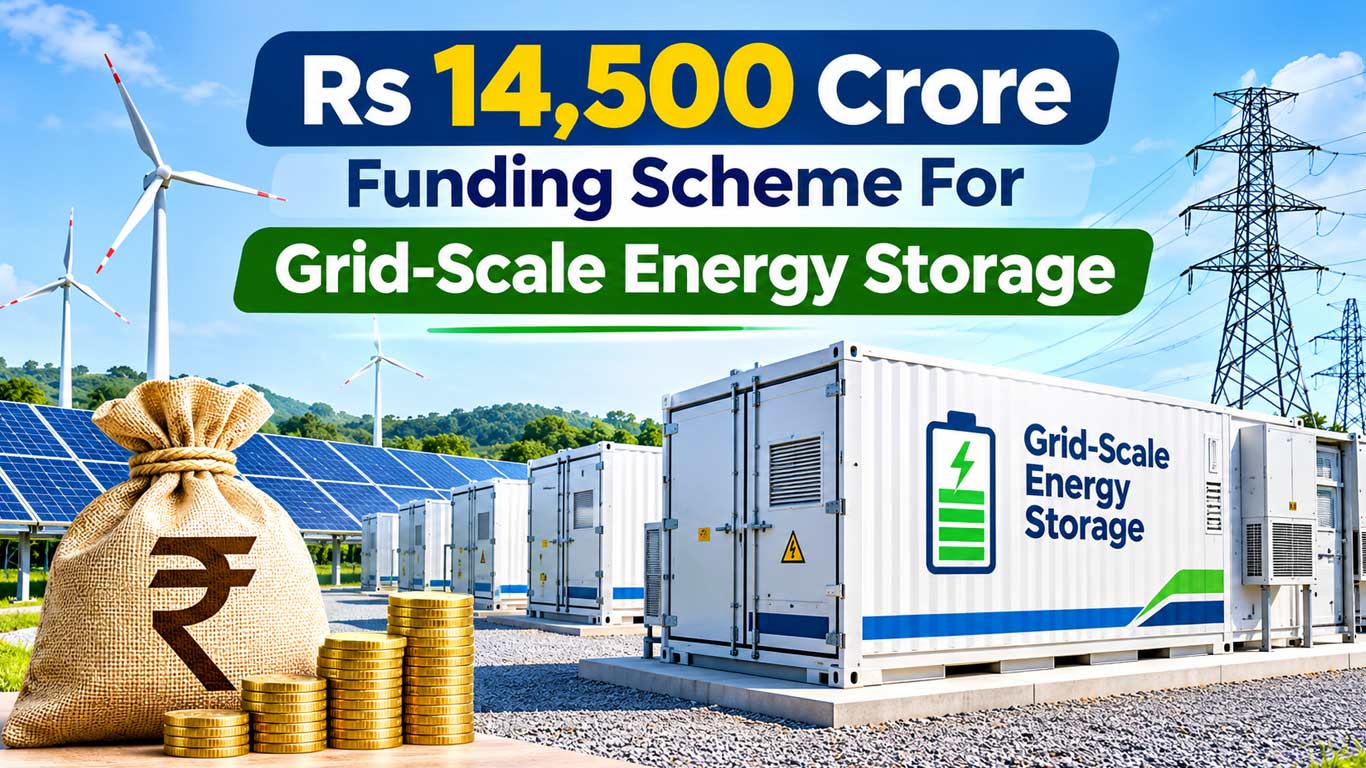
The proposed mandate follows the Union Cabinet's approval of a Rs 14,500-crore viability gap funding (VGF) scheme to support the development of 92 gigawatt-hours (GWh) of grid-scale energy storage capacity between FY27 and FY31.
The programme will support 60 GWh of pumped hydro storage projects, 30 GWh of battery energy storage systems and 2 GWh of emerging storage technologies. The projects are expected to attract total investments of around Rs 97,600 crore.
Public and private sector discoms will be eligible for financial support for battery storage and pumped hydro projects. The scheme also introduces a minimum domestic content requirement of 40 per cent for battery energy storage projects to encourage local manufacturing and reduce dependence on imported components.
MSME Impact
The proposed mandate could create new business opportunities for micro, small and medium enterprises (MSMEs) engaged in battery manufacturing, electrical equipment, power electronics, engineering and related services as India expands its energy storage infrastructure.
The domestic content provision could particularly benefit Indian MSMEs supplying battery components, electrical systems, control equipment and other inputs to storage projects, provided they meet the applicable technical and quality standards.
The government estimates that the additional capacity supported by the scheme will help India move towards its requirement of 411 GWh of grid-scale energy storage by 2031-32.
(KNN Bureau)







 Loading...