Govt Rolls Out Measures To Promote Energy Storage & Grid Stability
Updated: Dec 19, 2025 05:33:29pm

Govt Rolls Out Measures To Promote Energy Storage & Grid Stability
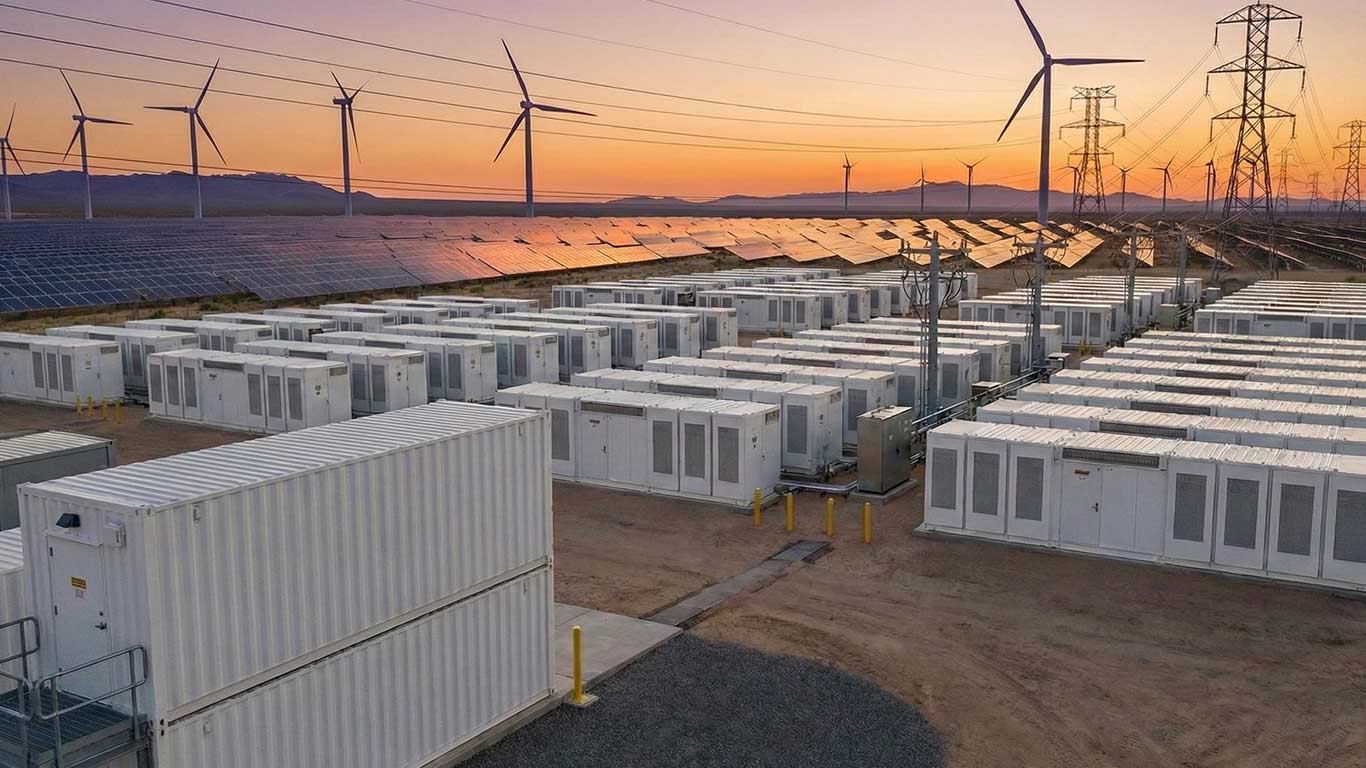
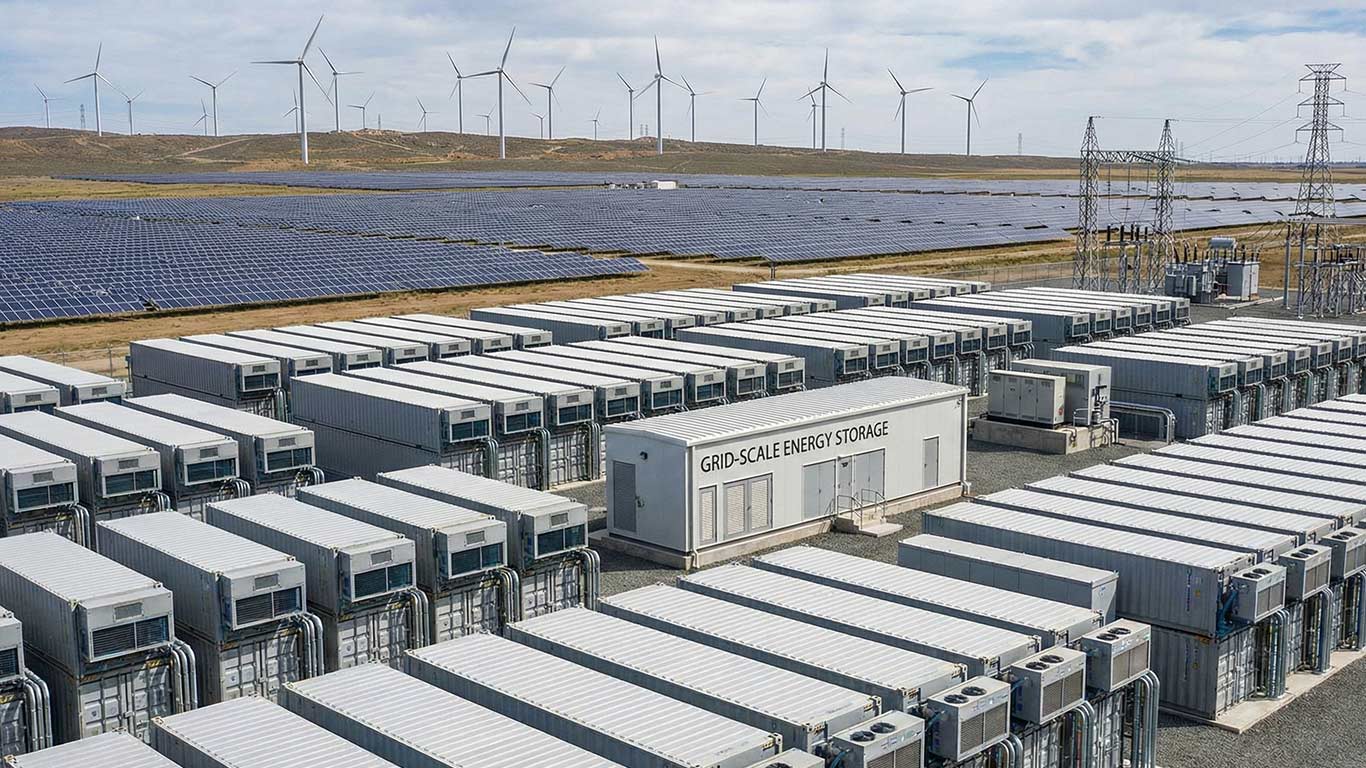
New Delhi, Dec 19 (KNN) The Government of India has undertaken a series of coordinated policy, regulatory, demand-side, and supply-side measures to promote the development and deployment of energy storage technologies, including Battery Energy Storage Systems (BESS) and Pumped Storage Projects (PSPs), to address renewable energy intermittency and maintain grid stability.
In a written reply to a question in the Lok Sabha, Minister of State for Power, Shripad Yesso Naik stated that energy storage systems are being positioned to provide ancillary services such as frequency control, voltage regulation, peak shifting, congestion management, and black-start support.
The Central Electricity Regulatory Commission (Ancillary Services) Regulations, 2022, make ESS eligible to provide secondary and tertiary reserve services, while Renewable Energy Management Centres (REMCs) and Automatic Generation Control (AGC) are being used for real-time monitoring and balancing of renewable supply and demand.
The Central Electricity Authority (CEA) has projected a requirement of 336 GWh of storage capacity by 2029–30 and 411 GWh by 2031–32 to support reliable renewable integration.
Policy and regulatory measures include the amendment of Electricity Rules (December 2022) recognising ESS as part of the power system, inclusion of ESS in the Harmonised Master List of Infrastructure (October 2022) to facilitate financing, issuance of the National Framework for Promotion of Energy Storage Systems (September 2023), and draft safety and technical standards for BESS (2025).
Demand-side and market measures include ISTS charge waivers for co-located BESS and PSP projects, integration of storage in ancillary services, Tariff-Based Competitive Bidding (TBCB) guidelines for distribution utilities, High-Price Day-Ahead Market participation, and Viability Gap Funding schemes supporting around 43 GWh of BESS capacity.
On the supply side, the Ministry of Heavy Industries’ PLI scheme provides Rs 18,100 crore for 50 GWh of advanced chemistry cell manufacturing, with 10 GWh earmarked for grid-scale storage.
Grants and regulatory facilitation for pumped storage, co-location advisories with solar plants, and expanded ownership and operation models for ESS further support deployment.
These measures form part of India’s broader strategy to scale up energy storage, improve system reliability, and enable a transition to a renewable-based energy ecosystem.
(KNN Bureau)








 Loading...


