RBI Governor Highlights Asset Quality And Underwriting Standards
Updated: Jan 06, 2026 12:29:45pm

RBI Governor Highlights Asset Quality And Underwriting Standards
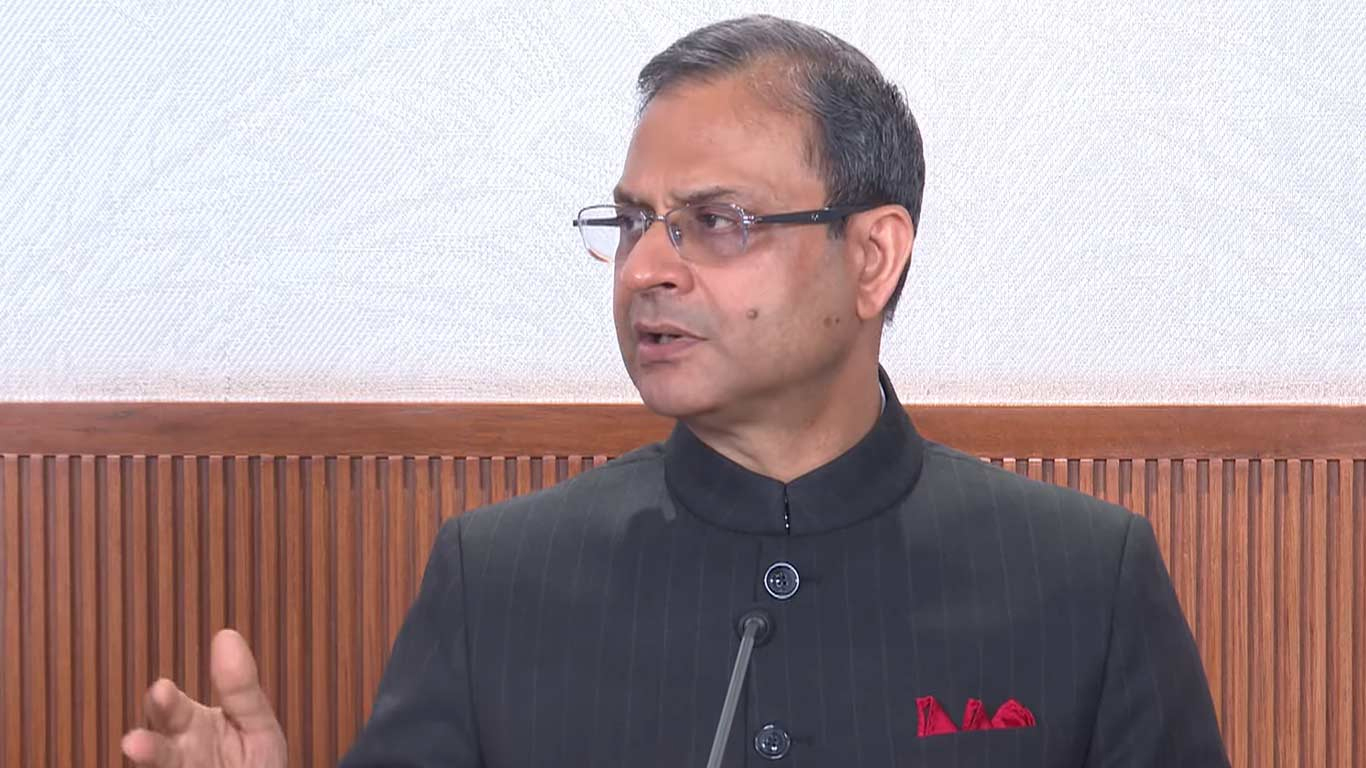
New Delhi, Jan 6 (KNN) Reserve Bank of India (RBI) Governor Sanjay Malhotra on Monday emphasised the need for supporting standards and close monitoring of asset quality during a meeting with the chief executive officers of non-banking finance companies (NBFCs).
The meeting was part of the RBI’s ongoing engagement with regulated entities.
Overview of the NBFC Sector
The participating NBFCs together account for about 53 percent of the sector’s total assets, the central bank said in a statement, reported by the Business Standard.
As of March 31, 2025, there were close to 9,000 NBFCs, including 15 in the upper layer, including four housing finance companies (HFCs), which accounted for 30.2 percent of total assets.
The 656 in the middle layer accounted for the largest share of 64.6 percent, largely due to the presence of government-owned NBFCs.
Focus on Ethical Conduct and Customer-Centricity
The governor highlighted the important role of NBFCs and HFCs in facilitating credit flow. He underlined the need for sound underwriting standards and close monitoring of asset quality.
Malhotra also stressed the importance of customer-centricity, ethical conduct, and responsible lending, along with prompt grievance redressal, to preserve confidence in the sector and support its orderly and sustainable development.
Credit Growth and Asset Quality Trends
Credit extended by NBFCs has been rising over the years. This was reflected in credit growth, which surpassed that of banks across all segments except agriculture and allied activities during FY25.
According to the latest data, the sector’s asset quality improved further in 2024-25, with the gross non-performing asset (GNPA) ratio declining to 2.9 percent at the end of March 2025 from 3.5 percent a year earlier.
However, NBFC-microfinance institutions (MFIs) saw a deterioration, with the GNPA ratio rising to 4.1 percent from 2 percent over the same period.
In its recently released Trends and Progress of Banking in India report, the RBI cautioned NBFCs to remain vigilant about the rising trend in Special Mention Accounts (SMA), which refer to overdue accounts of 30 days and 60 days.
(KNN Bureau)









 Loading...


