GTRI Urges Policy Overhaul To Strengthen Downstream Aluminium Industry
Updated: Jun 19, 2026 02:05:14pm

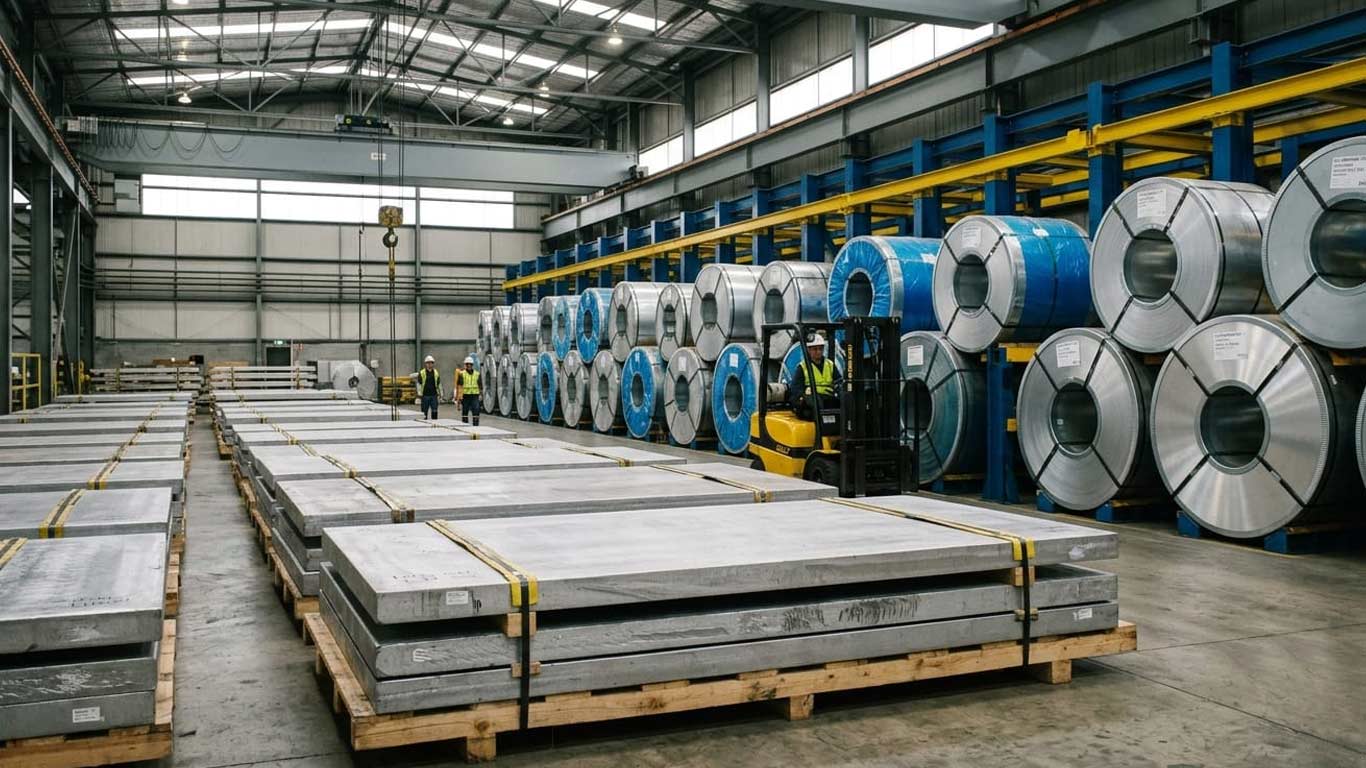
GTRI Urges Policy Overhaul To Strengthen Downstream Aluminium Industry
New Delhi, Jun 19 (KNN) India's current tariff regime is weakening domestic value addition in the aluminium sector by favouring primary metal producers at the expense of downstream manufacturers, according to a report by the Global Trade Research Initiative (GTRI).
Tariff Structure Favours Primary Producers Over Manufacturers
The GTRI report, ‘India's Aluminium Sector: How Tariff Policies Are Undermining Value-Added Manufacturing’, said that despite India's position as a low-cost producer of primary aluminium, it has failed to build a globally competitive downstream industry.
It argued that the existing tariff regime benefits primary producers while raising input costs for downstream manufacturers competing with lower-duty imports of finished products.
Consequently, India continues to export mostly primary aluminium and import higher-value products, limiting gains in jobs, investment and exports.
Of the nearly USD 7 billion in aluminium exports in FY2025-26, 61.4 percent comprised aluminium metal, while finished products accounted for 38.6 percent.
Import-Parity Pricing Raises Costs For MSMEs
The report identified high aluminium prices as a key challenge for downstream industries, where aluminium accounts for 60-80 percent of production costs.
It said domestic producers follow an import-parity pricing model, charging London Metal Exchange (LME)-linked prices plus India's 7.5 percent import duty even on locally produced metal, raising input costs for over 3,500 MSMEs and weakening their competitiveness.
Higher Input Costs Also Affect Public Projects
The report said import-parity pricing also raises the cost of government infrastructure projects. As aluminium accounts for around 40 percent of the cost of many aluminium-intensive products, the practice increases procurement expenses by about 3 percent.
With nearly a quarter of India's annual aluminium consumption tied to public-sector projects such as railways, power transmission, renewable energy and defence, the additional burden is ultimately borne by taxpayers.
Inverted Duty Structure Encourages Imports
India imported finished aluminium products worth about USD 4.1 billion in FY2025-26, competing directly with domestic manufacturers in sectors such as cables, conductors, packaging, engineering goods and automotive components.
The report noted that around 25 percent of these imports entered at low or zero duty under FTAs, creating an inverted duty structure that makes imports more attractive than domestic manufacturing.
GTRI Recommends Tariff Reforms
To boost domestic value addition, GTRI recommended removing the 7.5 percent import duty on unwrought aluminium, correcting inverted duty structures and reviewing FTA concessions on finished aluminium imports.
It also proposed a 20 percent export duty on primary aluminium and PLI-type incentives for aluminium-consuming sectors such as packaging, automotive components, engineering goods, aerospace, conductors and renewable energy equipment.
The report said a greater focus on downstream manufacturing would enhance jobs, exports and the value derived from India's aluminium resources.
(KNN Bureau)







 Loading...