Indian Rice Exporters Anticipate Challenges Amid Policy Risks And High Prices In 2024
Updated: Jan 09, 2024 03:56:23pm

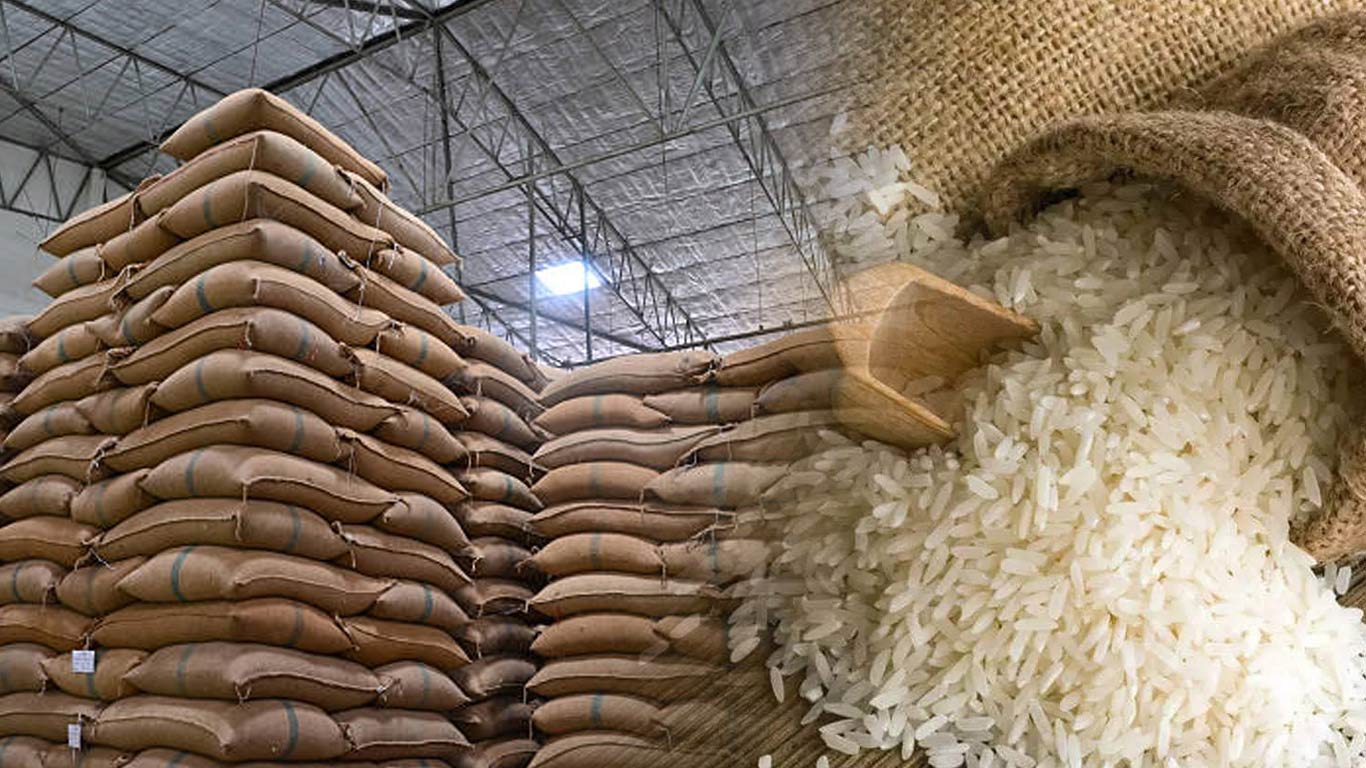
Indian Rice Exporters Anticipate Challenges Amid Policy Risks And High Prices In 2024
New Delhi, Jan 9 (KNN) Indian rice exporters are bracing for a challenging 2024, anticipating difficulties due to uncertain policies and high local prices, which hinder the normalisation of rice exports.
S&P Global Commodity Insights reports that the government's interventions in 2023, such as banning non-Basmati white rice exports, imposing a 20 per cent duty on parboiled rice exports, and setting a minimum export price of Rs 950/million tonnes for Basmati, continue to impact the market.
Despite global repercussions and high prices, restrictions are likely to persist until at least the first half of 2024.
The government's decision aims to address domestic price escalation and ensure sufficient supply for the country, with expectations that restrictions will continue until the general election in April-May 2024.
The decline in rice production during the 2023-24 kharif season, influenced by El Nino-induced dry conditions, complicates the supply situation.
Despite trade curbs, local rice prices remain strong, leading to warnings to retailers.
West Africa, a significant consumer of Indian rice, is expected to experience subdued demand due to price sensitivity, impacting non-Basmati parboiled rice exports.
Despite challenges, exporters believe Basmati exports will adjust to new realities without significant disruptions. Positive indicators include India's rice stocks in the Food Corporation of India's central pool, standing at 56 million mt as of December 1, providing hope for potential export constraint relaxation.
Exporters are optimistic that a slow start to procurement this season will eventually improve paddy availability for exports.
(KNN Bureau)






 Loading...


