MP Flags Lack of E-Filing In Allahabad HC; FISME Calls For Uniform SC Order Implementation
Updated: Feb 06, 2026 11:47:55am


MP Flags Lack of E-Filing In Allahabad HC; FISME Calls For Uniform SC Order Implementation
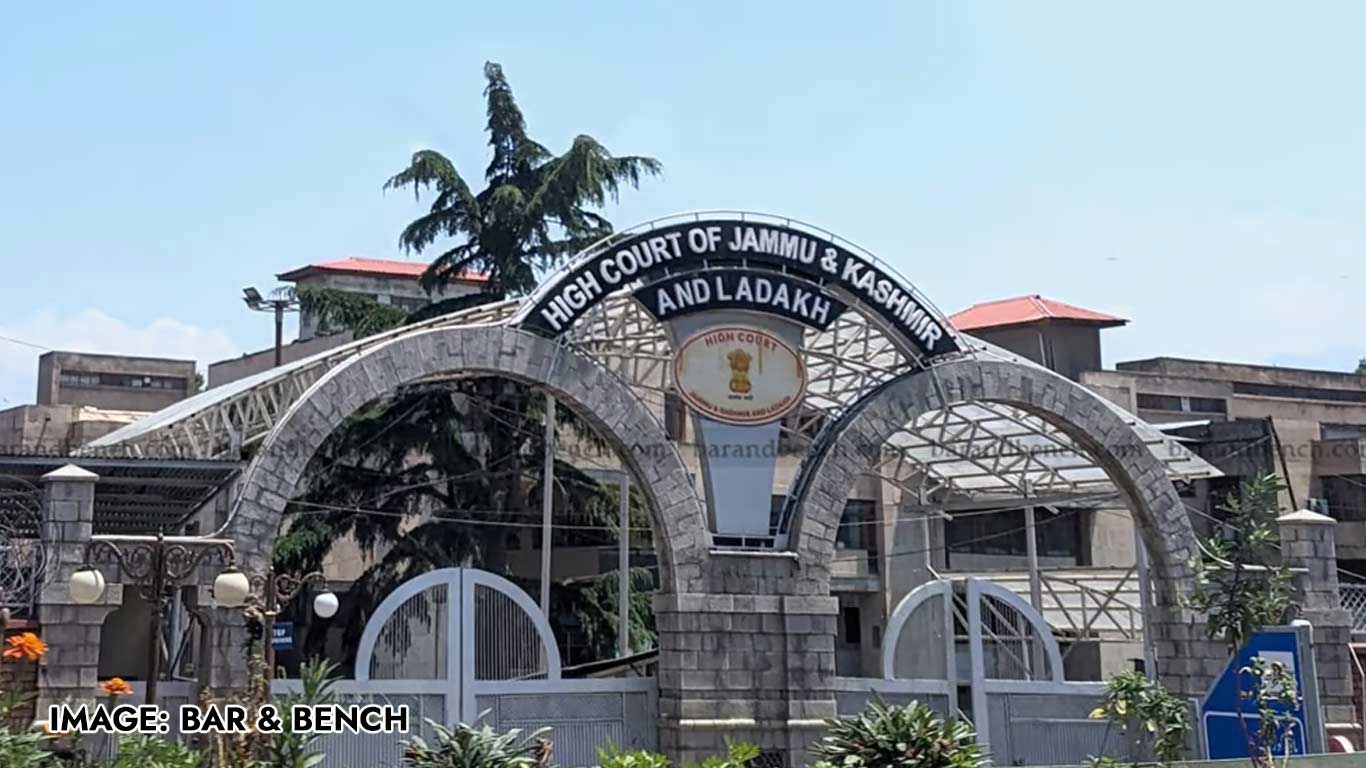
Lucknow, Feb 6 (KNN) The issue of uneven implementation of judicial e-governance came into sharp focus recently after Dr. Lakshmi Kant Bajpayee, Member of Parliament, raised a question in the Parliament highlighting that the facility of e-filing has not yet been made functional in the Allahabad High Court, despite clear directions from the Supreme Court.
The matter has renewed concerns within the industry, particularly among Micro, Small and Medium Enterprises (MSMEs), over delays and procedural bottlenecks in access to justice.
Reacting to the development, the Federation of Indian Micro and Small & Medium Enterprises (FISME) stressed that non-uniform adoption of e-filing across courts undermines both judicial efficiency and economic competitiveness.
FISME pointed out that the Supreme Court has repeatedly emphasised the adoption of technology-enabled systems such as e-filing to improve transparency, reduce physical interface, and speed up judicial processes. However, the continued lack of operationalisation in some major courts reflects a significant implementation gap.
Commenting on the issue, Dinesh Singhal, Chairman, Policy Committee, FISME, said, “Access to justice has a significant bearing on the competitiveness and growth of industry, especially MSMEs. Delays in dispute resolution increase costs, block working capital, and weaken business confidence. The Supreme Court’s order on e-filing should be uniformly implemented by all courts across the country.”
FISME noted that MSMEs are particularly vulnerable to prolonged litigation due to limited financial and managerial capacity. A standardised and fully functional e-filing system, it said, would reduce transaction costs, minimise procedural delays, and enable enterprises to pursue legal remedies without disruption to business operations.
The industry body has urged judicial authorities and state governments to ensure that digital infrastructure, court rules, and administrative processes are aligned with Supreme Court directives, enabling end-to-end e-filing and electronic case management in all courts.
According to FISME, effective implementation of judicial digitalisation is not only a governance reform but also a critical economic enabler that supports ease of doing business, contract enforcement, and sustainable growth of Indian industry.
(KNN Bureau)






 Loading...