Rising Raw Material Costs Likely To Moderate Tyre Makers’ Operating Margins This Fiscal: Crisil Ratings
Updated: Aug 26, 2026 03:57:15pm

Rising Raw Material Costs Likely To Moderate Tyre Makers’ Operating Margins This Fiscal: Crisil Ratings
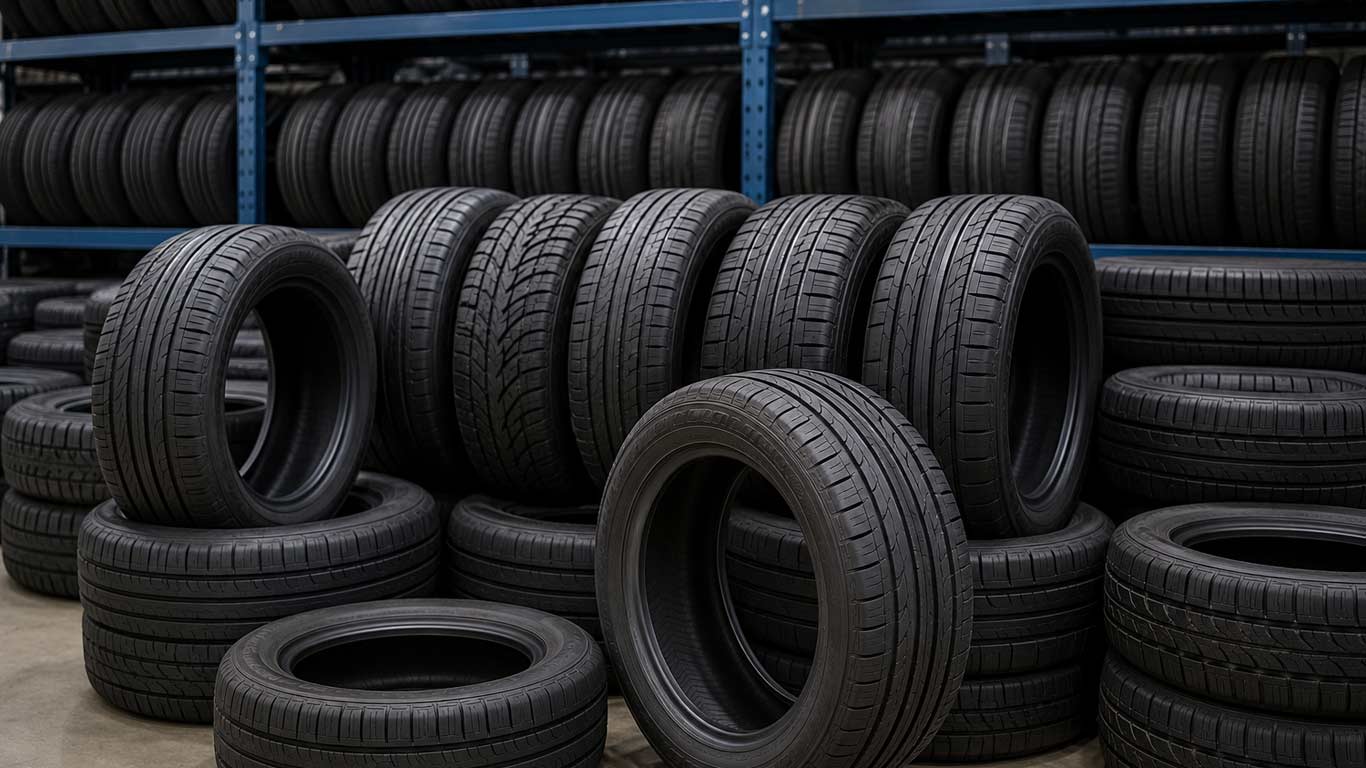
New Delhi, Aug 26 (KNN) India’s tyre manufacturers are likely to see operating margins moderate this fiscal as rising raw material costs outpace staggered price increases, according to Crisil Ratings. Margins are expected to decline from around 14.2 per cent last fiscal, with the pressure largely viewed as temporary.
The report noted that key inputs have risen sharply, with natural rubber prices increasing to about Rs 275 per kg in June 2026 from around Rs 220 per kg in FY26. Tight supplies due to unseasonal rainfall and uneven monsoons in India and Southeast Asia have contributed to the increase.
The conflict in West Asia has added pressure by raising costs of crude-linked inputs such as synthetic rubber, carbon black and nylon tyre cord, while shipping disruptions have further strained supply chains.
Staggered Price Hikes to Cushion Impact
Anuj Sethi, Senior Director, Crisil Ratings, said, “A sharp 35-40 per cent rise in key inputs is likely to compress tyre makers’ operating margins by 200-250 basis points this fiscal, but this is a cost-pass-through lag rather than a structural profitability reset. Demand resilience and GST rationalisation are allowing staggered price hikes, and as these flow through — assuming input costs stabilise — margins should recover to 13-13.5 per cent next fiscal.”
Tyre makers are expected to adopt a gradual pricing approach to pass on higher costs without sharply affecting consumer demand. GST rationalisation and sustained replacement and original equipment manufacturers (OEMs) demand are also providing room for manufacturers to absorb part of the cost increase, the report noted.
The top six tyre manufacturers account for about 85 per cent of the industry’s Rs 1.36 lakh crore revenue. Replacement demand contributes around half of industry volumes, while OEMs and exports account for roughly a quarter each.
Demand Supports New Investment Cycle
Tyre volume growth is expected to moderate to 4-5 per cent this fiscal from 7-8 per cent last year. OEM and replacement demand are each projected to grow 4-5 per cent, while exports are expected to increase by 3-4 per cent.
Poonam Upadhyay, Director, Crisil Ratings, said, “Sustained demand and peak utilisation has pulled forward the next investment cycle, with tyre makers expected to invest ~Rs 18,000 crore over this fiscal and next — nearly twice the spend of the previous two fiscals.”
“The scale is significant, but phased commissioning, steady demand and a focus on higher-value radial tyres should limit overcapacity risk, while healthy liquidity should keep leverage manageable,” Upadhyay added.
Raw Material Costs and Pass-Through Key Risks
The report highlighted that the key factors to watch will be movements in raw material prices, particularly natural rubber and crude-linked inputs, developments in West Asia, the pace of cost pass-through and demand across replacement and OEM markets.
As pricing actions take full effect and input cost pressures ease, tyre makers’ margins and debt metrics are expected to improve gradually next fiscal.
(KNN Bureau)





 Loading...