Secondary Steel Profitability Seen Improving on Backward Integration, Margins to Reach 6.6% in FY27: Crisil Ratings
Updated: Oct 07, 2026 04:34:19pm

Secondary Steel Profitability Seen Improving on Backward Integration, Margins to Reach 6.6% in FY27: Crisil Ratings
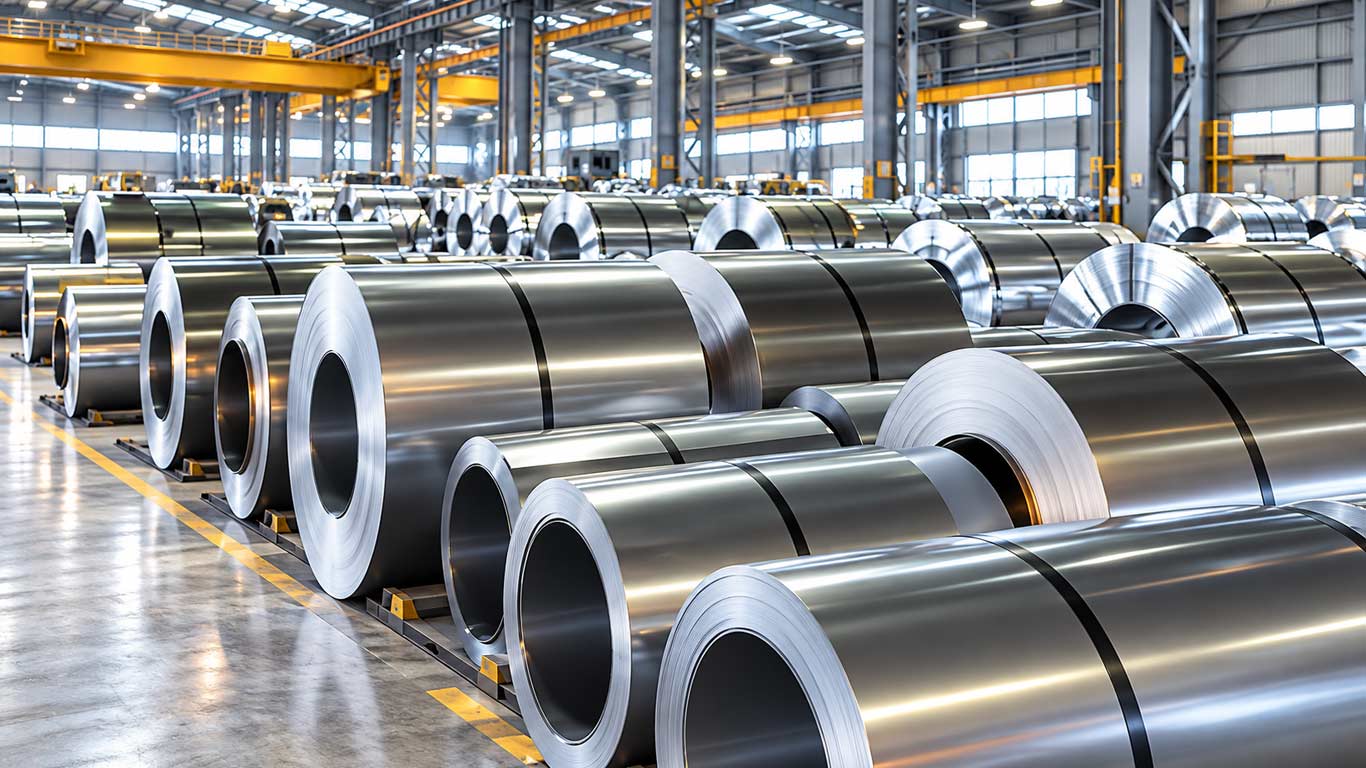
New Delhi, Oct 7 (KNN) India’s secondary steel industry is expected to see a modest profitability recovery this fiscal, driven mainly by backward integration and captive power investments, according to Crisil Ratings.
In a report, Crisil said operating margins are expected to rise by nearly 50 basis points to 6.6 per cent from 6.1 per cent last fiscal, as producers offset persistent raw material and energy cost pressures.
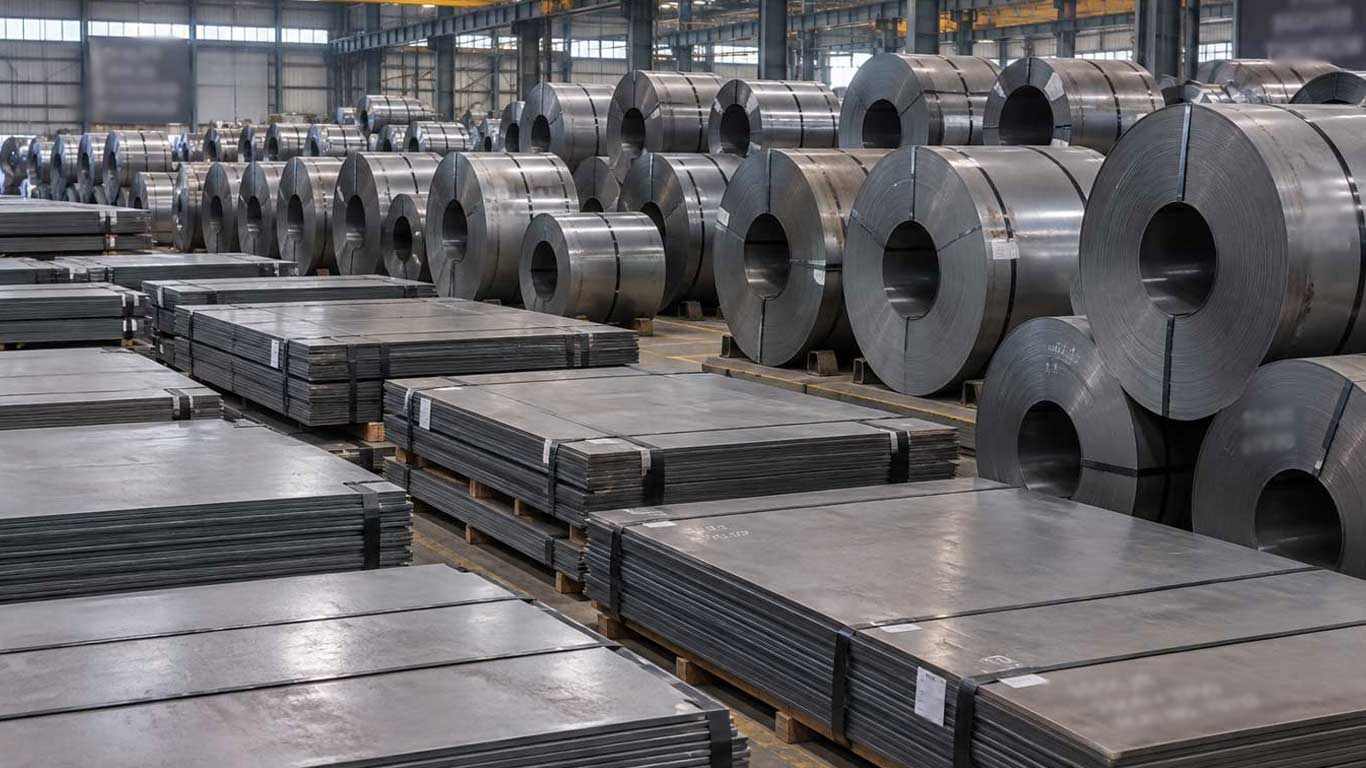
Crisil's analysis of 130 rated secondary steel makers, accounting for around 30 per cent of sector revenue, shows a shift towards controlling inputs and operating costs rather than aggressive capacity expansion.
Domestic long steel demand is expected to grow around 7 per cent, supported by government spending on roads, railways, urban infrastructure and affordable housing, along with an early revival in private-sector capex. Average steel realisations are expected to rise 6 per cent to Rs 50,000-51,000 per tonne from Rs 48,300 per tonne last fiscal.
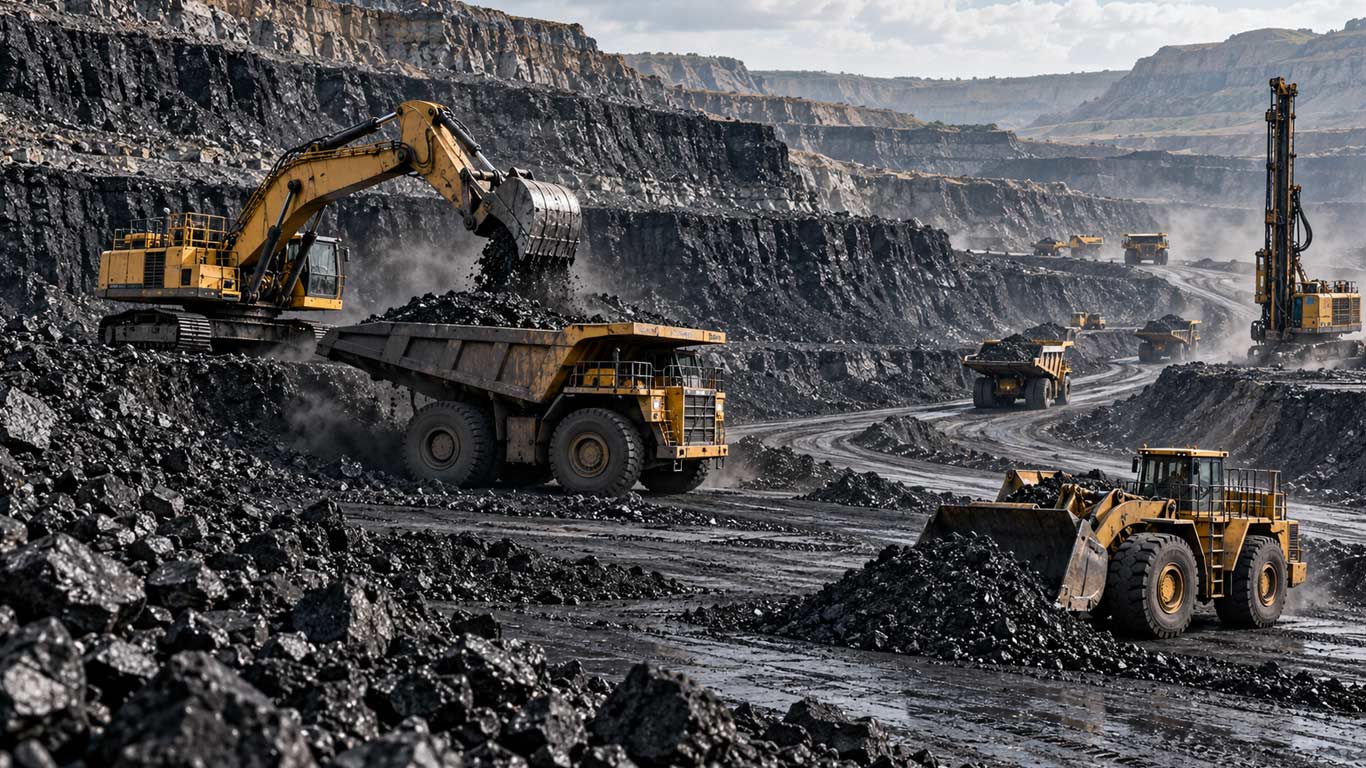
However, coal and iron ore prices are expected to increase 5-7 per cent, while geopolitical and supply-chain risks could keep coal prices volatile. Production costs for secondary steel makers are therefore expected to rise nearly Rs 2,000 per tonne.
“With limited greenfield capacity additions this fiscal, investment priorities have shifted towards improving cost competitiveness. Most of the planned capex of Rs 3,000-3,500 crore will be for captive power and backward integration that can deliver sustainable cost benefits,” said Rahul Guha, Senior Director, Crisil Ratings.
These investments, along with firmer steel realisations, are expected to keep industry EBITDA at around Rs 3,200 per tonne, above the long-term average of Rs 2,900 per tonne. Integrated producers typically generate Rs 1,500-2,000 per tonne higher EBITDA than non-integrated peers, with integrated capacity expected to rise to nearly 33 per cent this fiscal from 27 per cent in FY26.
The shift is particularly pronounced in eastern India, which accounts for more than half of secondary steel production and has seen steep increases in industrial power tariffs. Captive power can lower costs, improve reliability and reduce exposure to grid disruptions.
More than 60 per cent of planned capex is expected to be funded through internal accruals.
“Higher profitability and healthy cash accruals should provide sufficient flexibility to fund ongoing investments while preserving comfortable credit metrics,” said Argha Chanda, Director, Crisil Ratings.
Debt-to-EBITDA is expected to improve to 3.4-3.5 times from 3.65 times over the past two fiscals, while gearing should remain below one time and interest coverage strengthen to nearly 3.3 times.
Crisil cautioned that sharper steel price declines, weaker infrastructure spending, raw material volatility or delays in integration projects could affect performance. However, resilient demand and improving efficiencies should help producers absorb commodity-price shocks and maintain stable credit profiles.
(KNN Bureau)






 Loading...