India's Textile Industry Embraces Circular Economy To Boost Global Competitiveness
Updated: Jul 14, 2026 03:31:44pm

India's Textile Industry Embraces Circular Economy To Boost Global Competitiveness
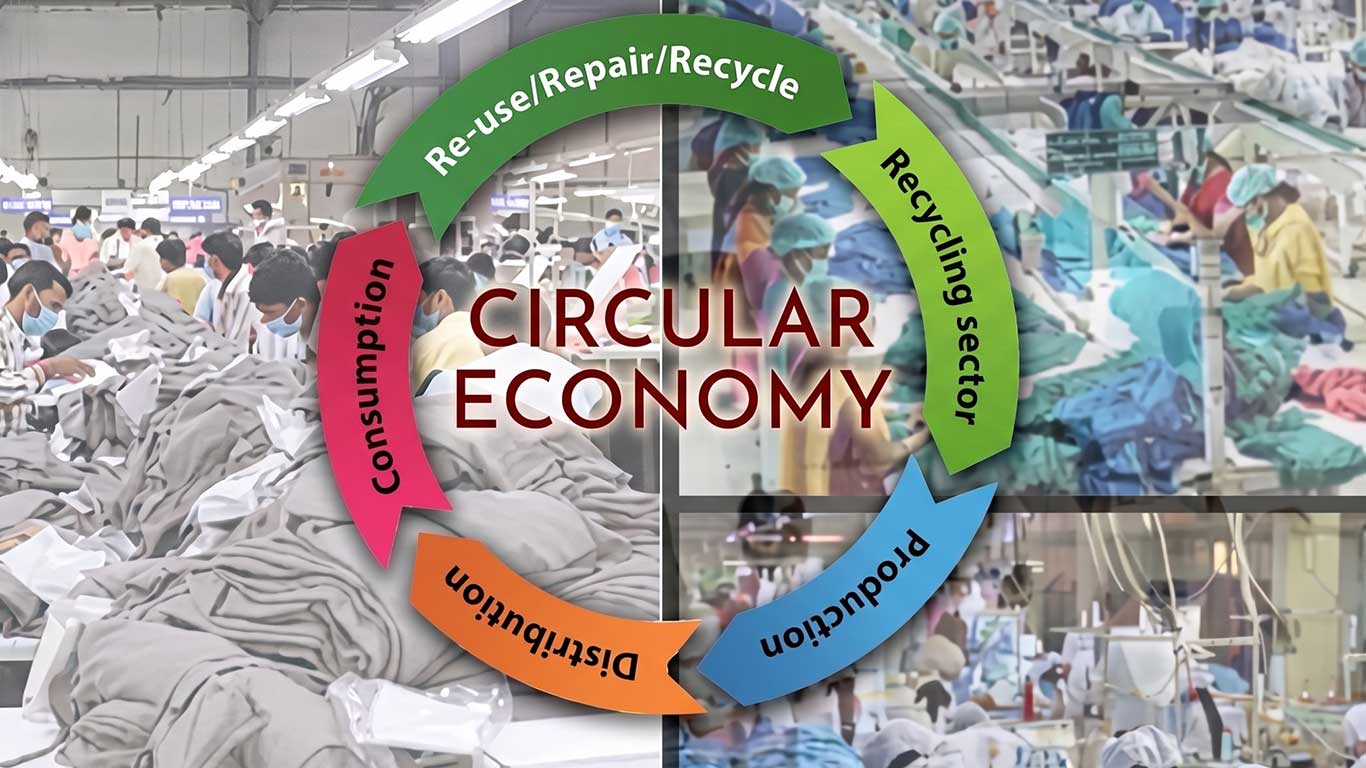
New Delhi, Jul 14 (KNN) India's textile and apparel industry is increasingly embracing circular economy principles and sustainable manufacturing practices as global markets place greater emphasis on environmentally responsible sourcing, strengthening the sector's long-term competitiveness.
Textile Sector Advances Sustainable Manufacturing
According to the National Account Statistics 2025, the textile sector contributes around 2 percent to India's GDP and 11 percent of manufacturing GVA, while employing over 45 million people.
To meet evolving global sustainability standards, the industry is increasingly adopting organic fibres, safer chemicals, waste recovery, eco-labelling and supply chain traceability, reported Economic Times.
Circular Economy Gains Momentum
The circular economy is gaining traction in India's textile sector through recycling, reuse and material recovery. The country generates an estimated 7.8 million tonnes of textile waste annually, over 90 percent from domestic sources, with more than 70 percent recovered through recycling, upcycling or reuse.
Nearly 95 percent of pre-consumer waste is reintegrated into production, while organised collection networks divert around 55 percent of post-consumer textile waste from landfills.
The sector supports an estimated 4–4.5 million livelihoods, many of them women in waste collection and recycling.
Regional Models Showcase Circularity
Several regional initiatives have emerged as models of textile circularity. Navi Mumbai's Belapur Municipal Textile Recovery Facility has processed over 41,000 textile items, created more than 400 upcycled products and reached over 114,000 households.
Panipat has become one of India's largest textile recycling hubs, processing 3,500–5,250 tonnes of pre-consumer textile waste daily, while informal networks such as Delhi's Katran Market continue to supply sorted waste to organised recyclers.
Government Promotes Sustainable Fibres
Government initiatives are supporting the shift to sustainable raw materials through the National Programme for Organic Production (NPOP), which promotes certified organic cotton and other natural fibres, and the Jute-ICARE initiative for sustainable jute cultivation.
The government is also encouraging alternative fibres such as ramie, sisal and flax under the New Age Fibre Mission and the National Fibre Scheme to boost domestic fibre production and reduce import dependence.
Sustainability Key To Export Competitiveness
The textile industry is also implementing initiatives to eliminate hazardous chemicals, reduce emissions and align manufacturing with global environmental standards.
Experts say sustainability is increasingly vital for export competitiveness, particularly in the EU and North American markets.
They added that investments in recycling infrastructure, technology, workforce skills and stronger government-industry collaboration will be key to advancing a circular textile economy while supporting jobs, exports and sustainable growth.
(KNN Bureau)







 Loading...