Textile-Centric Budget & FTAs Give Strategic Edge To Textile Sector: Secretary
Updated: Feb 20, 2026 03:40:42pm


Textile-Centric Budget & FTAs Give Strategic Edge To Textile Sector: Secretary
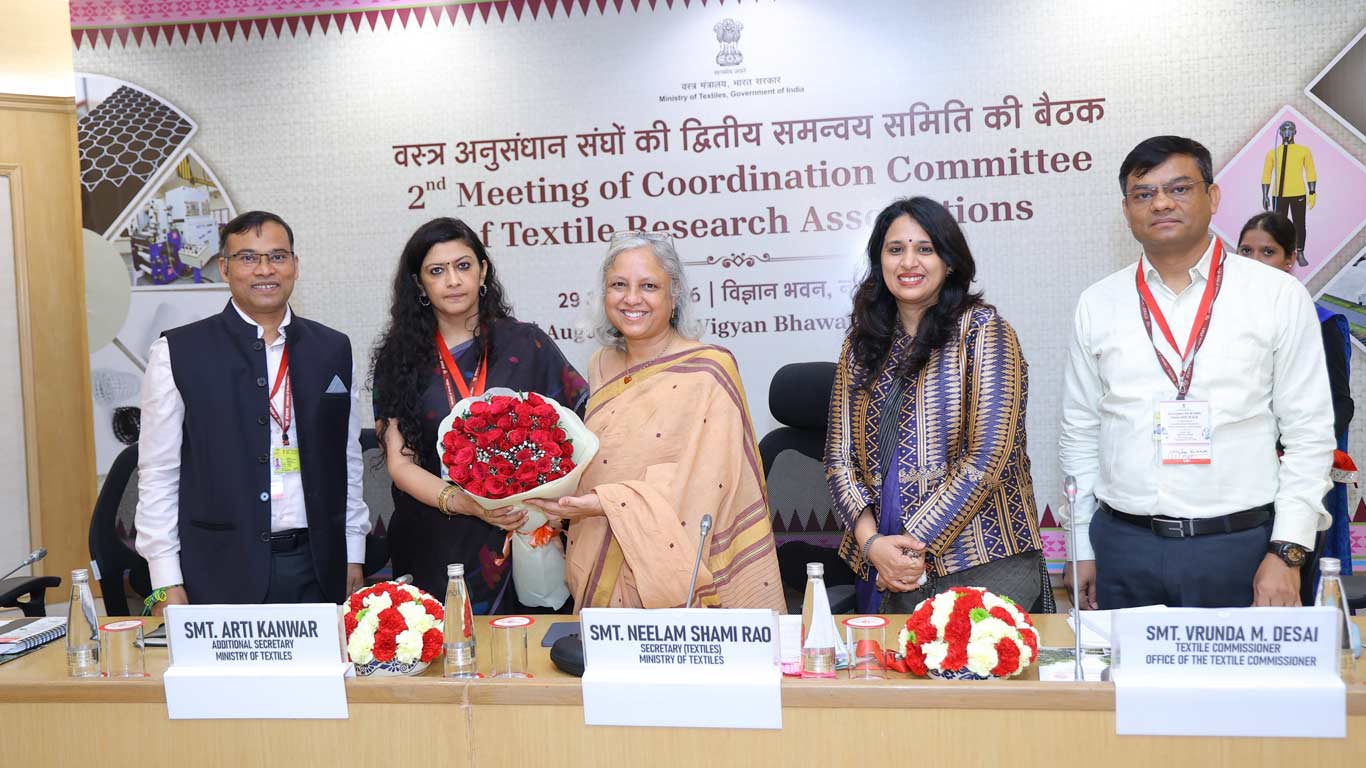
New Delhi, Feb 20 (KNN) A textile-centric Union Budget and a series of free trade deals signed by India offer timely and strategic advantage for the country's labour-intensive textile and apparel sector, Neelam Shami Rao, Secretary, Ministry of Textiles said at post-budget National Industry Consultation held in New Delhi.
She noted that Free Trade Agreements (FTAs) are opening significant new market opportunities for Indian exporters, enhancing tariff competitiveness and strengthening India’s position in global value chains.
Rohit Kansal, Additional Secretary (Textiles) said that the announcement of an integrated programme for the textile sector in the Union Budget provides a comprehensive framework to align investments, policy support and institutional efforts across the value chain.
A detailed presentation on the Textile Expansion and Employment Mission (TEEM) was made during the interactive session, outlining the roadmap for modernising weaving, processing and garmenting segments, mobilising investments, strengthening MSME participation and generating large-scale employment.
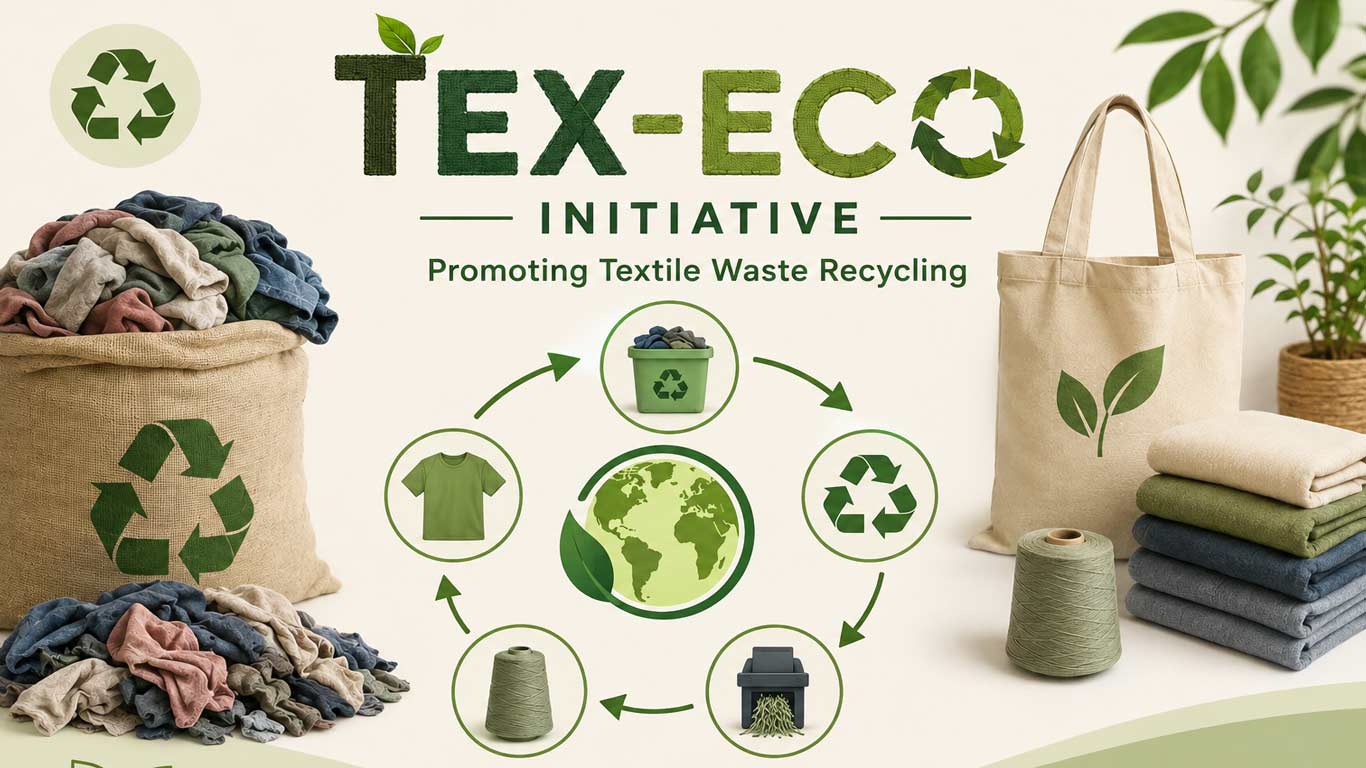
Tex Eco Initiative which aims to mainstream sustainability, circularity, resource efficiency and green manufacturing practices across the textile value chain was also discussed.
In a big boost to the textile sector which has been badly hit by the Trump tariff, Finance Minister Nirmala Sitharaman in the Union Budget unveiled an ‘Integrated Programme’ for textiles, including the TEEM Scheme, aimed at modernising traditional clusters through machinery support, technology upgrades, and common testing centres.
The Textile Ministry is gearing up to roll out the schemes announced in the Budget.
Industry Support and Employment Focus
Confederation of Indian Textile Industry (CITI) Chairman Ashwin Chandran said, “CITI and the entire industry greatly welcome this proactiveness on the part of the Union Textiles Ministry to make the Textile Expansion and Employment Scheme operational at the earliest.”
“The Scheme has tremendous potential to enhance the competitiveness of India’s textile and apparel sector, it can create more, new, and better-quality jobs for our youths, and enable the sector to leverage the opportunities opening through the FTAs,” he added.
Four Pillars and Key Focus Areas
Textile Ministry officials stated that the mission will rest on 4 pillars: access to affordable finance, operational excellence, strengthening the cluster ecosystem, and promoting competitiveness, innovation, and branding.
The Ministry will prioritise 6 areas: affordable finance, technological obsolescence, limited downstream capacity, high attrition and low productivity, weak cluster infrastructure, and branding and market access.
Issues such as power costs, ease of doing business, environmental compliance and cotton price volatility will be addressed by other government ministries or schemes.
Proposed Measures
Measures under consideration include unlocking low-cost global funding for on-lending through financial institutions, offering subsidies and employment-linked incentives to improve operational efficiency, setting up Textile Seva Kendras as integrated local support centres, and supporting tech-driven startups and innovation pilots in textiles and apparel.
(KNN Bureau)







 Loading...


