Textile Units In Tiruppur, Noida, Surat Halt Output As US Tariffs Hit Competitiveness: FIEO
Updated: Aug 27, 2025 04:08:37pm

Textile Units In Tiruppur, Noida, Surat Halt Output As US Tariffs Hit Competitiveness: FIEO
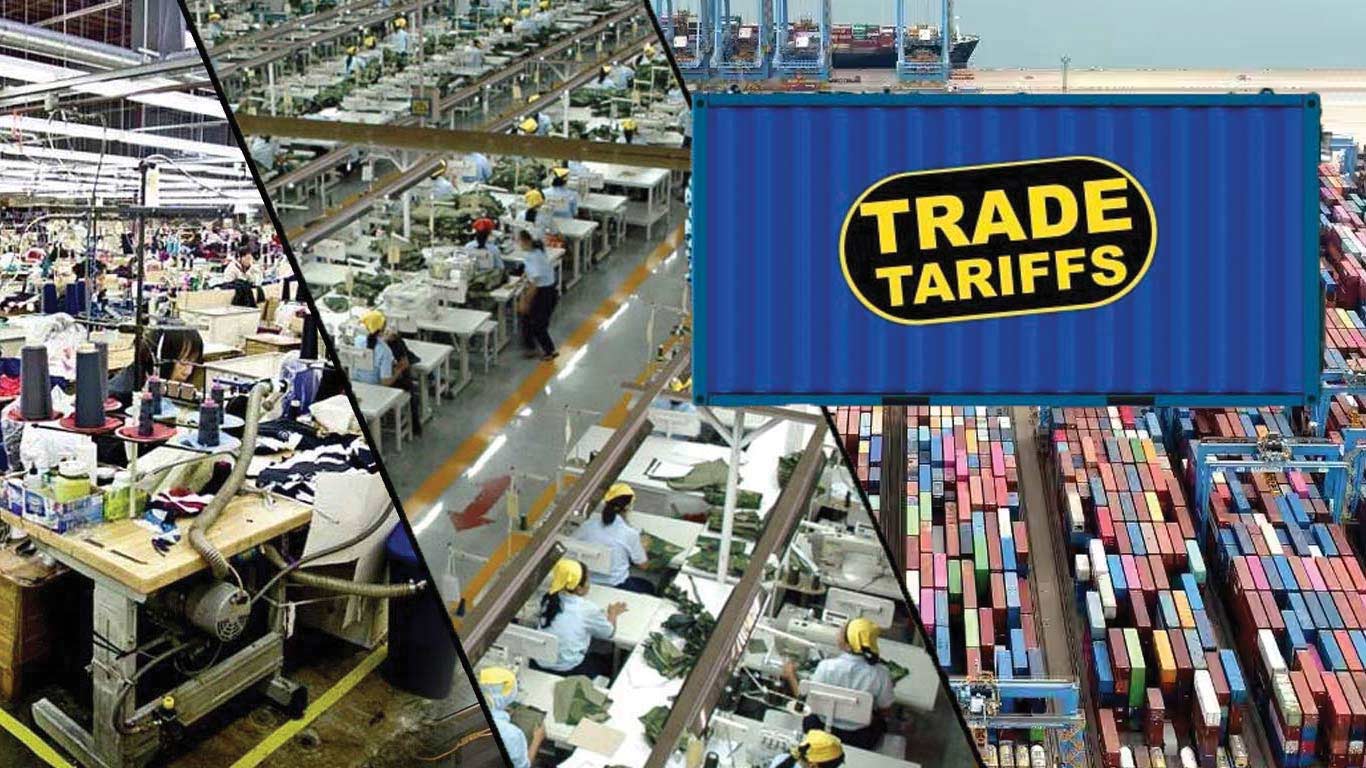
New Delhi, Aug 27 (KNN) Export-oriented textile and apparel units in Tiruppur, Noida, and Surat have suspended production in response to the United States’ recent 50 percent tariff, raising concerns over India’s cost competitiveness in one of its largest markets, the Federation of Indian Export Organisations (FIEO) said on Tuesday.
FIEO President S C Ralhan warned that the higher duties are eroding India’s position against lower-cost rivals such as Vietnam and Bangladesh, and urged the government to introduce urgent support measures.
He said about 55 percent of India’s US-bound shipments, valued at USD 47–48 billion, now face pricing disadvantages of 30–35 percent compared with competing suppliers from China, Vietnam, Cambodia, the Philippines and other Asian economies.
Among labour-intensive industries, seafood exporters also face risks of stockpile losses, supply chain disruptions, and farmer distress.
Other sectors—including leather, ceramics, chemicals, handicrafts, and carpets—are expected to experience a sharp loss of competitiveness against European, Southeast Asian, and Mexican producers, Ralhan noted.
Industry representatives have called for immediate relief through interest subvention, export credit support, low-cost working capital, and collateral-free lending.
Both a one-year moratorium on repayment of loans and an automatic 30 percent enhancement of existing credit limits have been proposed.
Exporters have also urged faster conclusion of trade agreements with the EU, GCC, Africa, and Latin American countries, while stressing the need for urgent diplomatic engagement with Washington.
The Apparel Export Promotion Council (AEPC) said the impact is already visible in ongoing orders.
Mithilishwar Thakur, Secretary General, AEPC noted that buyers are demanding discounts of up to 30 percent on spring shipments to offset tariff disadvantages.
“Exporters may absorb losses temporarily to retain buyers and workers, but unless a resolution is found, layoffs may follow,” he said.
Exporters are also pressing for targeted incentives to tap the European Union, where annual apparel imports are valued at USD 92 billion—15 percent higher than the US market.
However, India currently accounts for only 5 percent of that demand. Until a bilateral agreement with the EU is concluded, the industry has urged time-bound support to diversify export destinations.
(KNN Bureau)







 Loading...