US Tariff Actions Disrupt Apparel Exports, AEPC Raises Alarm With Vice President
Updated: Jan 23, 2026 05:15:16pm

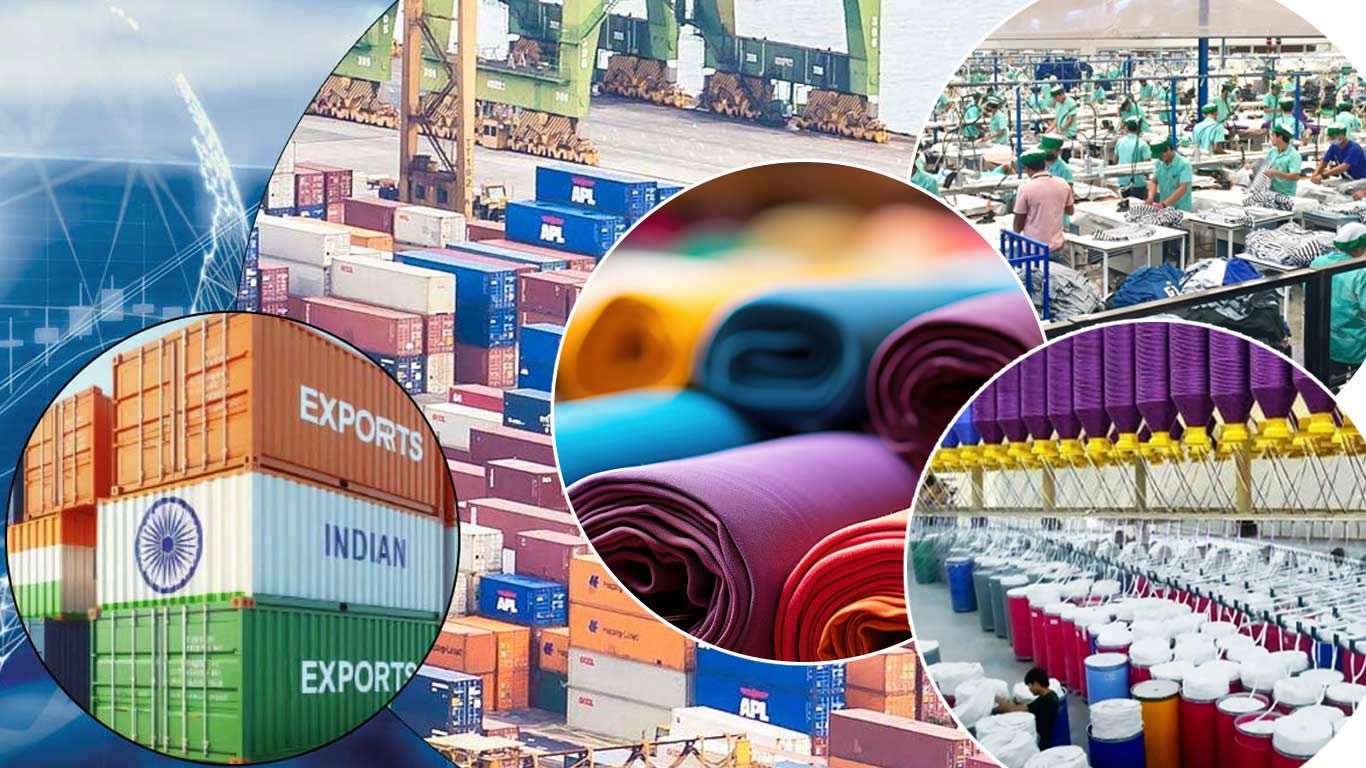
US Tariff Actions Disrupt Apparel Exports, AEPC Raises Alarm With Vice President
New Delhi, Jan 23 (KNN) Apparel Export Promotion Council (AEPC) Chairman Dr A Sakthivel met Vice President C P Radhakrishnan and held detailed discussions on key challenges facing the apparel export sector, including the impact of recent US tariff actions, the need for interest subvention support, and constraints related to market diversification.
According to the council, the Vice President assured the AEPC Chairman that the issues raised would be referred to the concerned ministries for early redressal and appropriate action.
US Tariff Action Poses Immediate Risk
Following the meeting, Dr Sakthivel, in a letter to the Vice President, highlighted the urgent need for an India–US tariff resolution to protect India’s apparel and textile exports.
He said recent US measures, including a 25 per cent tariff and an additional 25 per cent oil-related penalty, have severely disrupted exports to the US, India’s largest single market for textile exports.
The letter warned that without timely intervention, the sector faces order cancellations, job losses, and a permanent erosion of market share.
High Exposure and Limited Shock Absorption
According to AEPC, the US market accounts for nearly 70 per cent of exports for several large Indian textile exporters. The industry operates under structural constraints, including long product development cycles, extended work-in-progress periods, and high fixed wage costs, leaving little room to absorb prolonged tariff shocks.
The council noted that textile exports typically operate on thin margins, making sustained tariff absorption financially unviable.
Short-Term Measures Already Exhausted
To retain US buyers and maintain production continuity, exporters have already absorbed price reductions equivalent to the oil-related penalty, anticipating an early resolution of tariff issues. However, AEPC said this has wiped out profits and depleted reserves, making the strategy unsustainable beyond the short term.
With uncertainty over additional or prolonged tariffs, US buyers are reportedly delaying or cancelling new orders, while exporters are unable to absorb further costs or pass them on to buyers.
Market Diversification Not an Immediate Solution
The letter also cautioned against viewing market diversification as a short-term remedy. Textile sourcing, it said, is embedded in long-term buyer supply chains, and developing alternative markets typically takes two to three years due to compliance, audits and scaling requirements.
A sudden loss of the US market could lead to permanent displacement of Indian suppliers by competitor countries with preferential access.
Potential Economic and Employment Impact
AEPC warned that inaction could result in immediate production cuts, factory shutdowns and large-scale job losses.
Over the medium term, this could reduce export earnings and tax revenues, while in the long run it may structurally weaken the textile value chain and lead to irreversible loss of US market share.
Call for Urgent Government Action
The council urged the government to fast-track India–US tariff negotiations or introduce interim tariff relief or suspension mechanisms until a treaty is concluded. It said even temporary relief would help restore buyer confidence, protect ongoing export commitments, and prevent long-term damage to the sector.
Emphasising that the industry has already absorbed significant losses in the national interest, AEPC cautioned that it has no further capacity to withstand shocks and that delays of even three to six months could cause lasting harm to a strategic export sector.
(KNN Bureau)






 Loading...