Delhi’s EV Mandate For Two-Wheelers May Face Adoption Hurdles: Crisil Ratings
Updated: Jul 15, 2026 04:32:09pm

Delhi’s EV Mandate For Two-Wheelers May Face Adoption Hurdles: Crisil Ratings
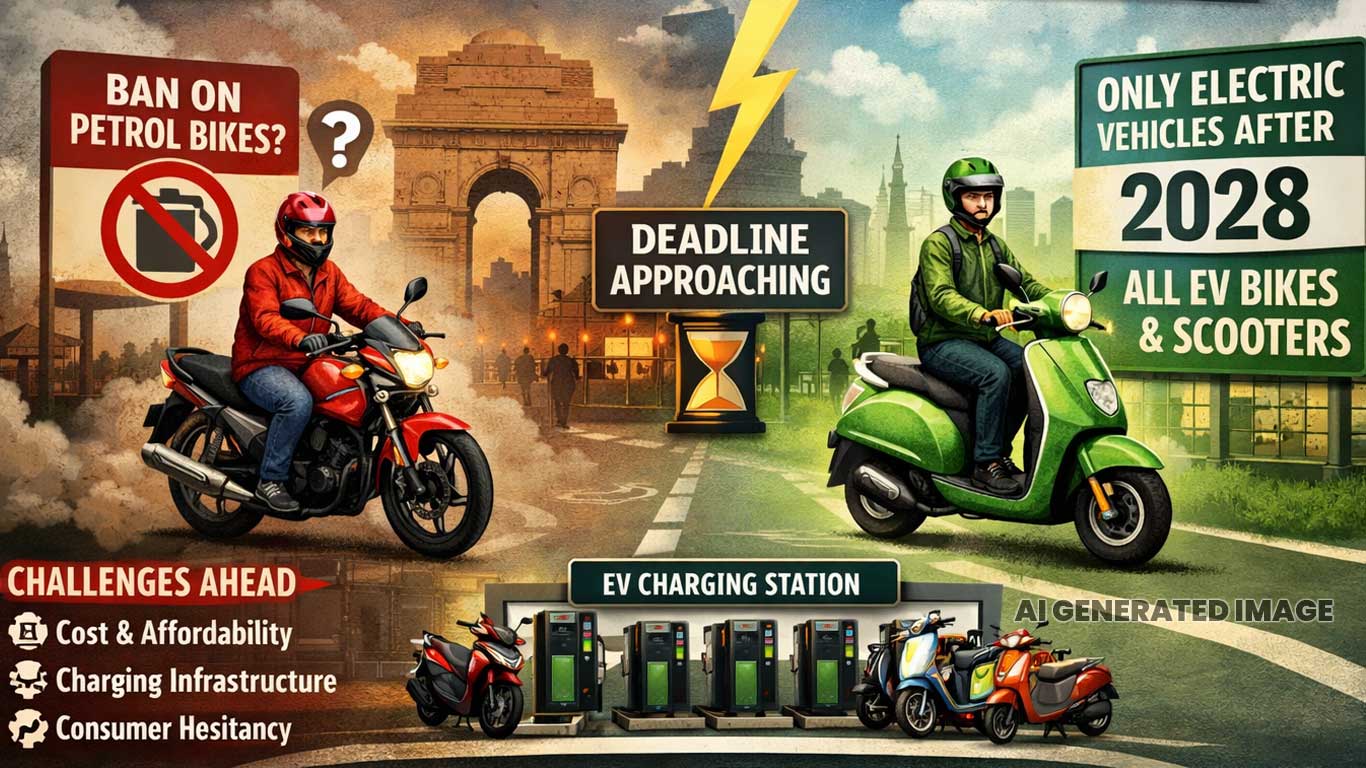
New Delhi, Jul 15 (KNN) The two-wheeler segment is likely to be the most challenging area under Delhi’s proposed electric vehicle (EV) policy, which mandates that all new bike and scooter registrations be electric from April 2028, according to Crisil Ratings.
Despite steady growth in overall registrations, EV penetration in the two-wheeler category stood at only 7.3 per cent in FY26, highlighting the scale of transition required.
Gradual Shift Expected for ICE Vehicles
Speaking to PTI, Crisil Ratings Director Poonam Upadhyay said internal combustion engine (ICE) models are expected to remain relevant in the near term. She added that while the 2028 deadline provides a clear direction for industry investments in electric products and infrastructure, the transition will be gradual.
“Two-wheelers present a bigger challenge. Despite registrations rising about 25 per cent to 5.7 lakh units in FY26, EV penetration stood at just 7.3 per cent. Under the draft policy, all new two-wheeler registrations would be required to be electric from April 2028, supported by incentives of up to Rs 30,000 per vehicle in the first year, tapering over the following two years,” Upadhyay noted.
Cost and Infrastructure Key to Adoption
She highlighted that while scrappage benefits and tax exemptions are available, declining financial support will make pricing competitiveness and ownership economics critical for sustaining EV adoption.
Passenger vehicles, she added, will see a more gradual transition as the policy relies on incentives rather than mandating EV-only registrations for private cars.
“As a result, ICE vehicles are likely to remain relevant over the medium term, with the pace of electrification continuing to be shaped by factors such as vehicle pricing, charging convenience and model availability,” Upadhyay said.
Mixed Outlook Across Vehicle Segments
The transition is expected to vary across segments. Three-wheelers are set to shift earlier, with EV-only registrations beginning January 2027. In FY26, electric models already accounted for nearly two-thirds of total three-wheeler registrations.
“Its success, however, will hinge on adequate vehicle supply, financing access, and charging and battery-swapping infrastructure,” she noted.
Passenger vehicles, however, are not subject to a full EV-only mandate. Instead, the policy encourages adoption through incentives such as full exemption from road tax and registration fees for EV cars priced up to Rs 30 lakh. In FY26, Delhi registered around 2 lakh cars, including nearly 77,000 EVs, reflecting a higher penetration of about 39 per cent.
Ambitious Push with Practical Constraints
Overall, Upadhyay said the Delhi EV policy is among India’s most ambitious state-level electrification efforts, combining registration mandates, targeted incentives and a preference for pure electric vehicles over hybrids to accelerate adoption.
(KNN Bureau)





 Loading...