Delhi Rolls Out EV Policy 2026 With Tax Waivers, Scrappage Incentives And ICE Ban Plan
Updated: Jul 01, 2026 06:09:11pm

Delhi Rolls Out EV Policy 2026 With Tax Waivers, Scrappage Incentives And ICE Ban Plan
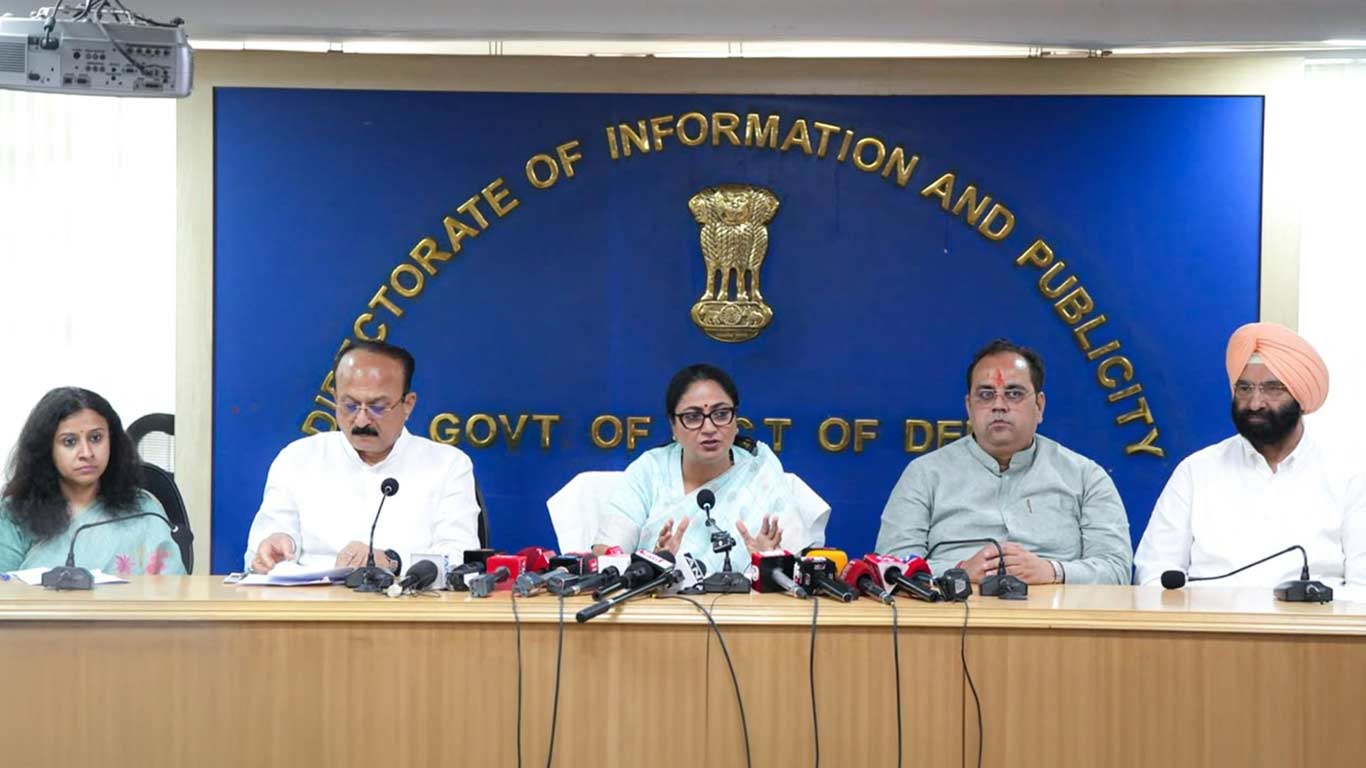
New Delhi, Jul 1 (KNN) The Delhi government on Wednesday launched the Delhi Electric Vehicle Policy 2026, its most ambitious push toward vehicle electrification to date, backed by a Rs 7,000 crore outlay and active until 31 March 2030.
The policy sets out a phased timeline to phase out internal combustion engine vehicles across key categories, underpinned by direct purchase subsidies, scrappage incentives, and a target of over 30,000 active charging points across the capital.
Chief Minister Rekha Gupta said the policy presented a comprehensive roadmap for a long-term clean transport framework, integrating charging infrastructure, battery swapping, battery recycling, energy management, and digital service delivery.
Vehicular emissions account for approximately 23 per cent of Delhi's air pollution, particularly during winter, making them the largest contributor among all pollution sources, according to a report by the Commission for Air Quality Management (CAQM) cited in the policy document. Two-wheelers alone account for nearly 67 per cent of total vehicles in the capital.
Purchase Incentives and Tax Waivers
The policy offers a 100 per cent waiver on road tax and registration fees for electric vehicles, capped at cars priced up to Rs 30 lakh ex-showroom. Direct purchase subsidies routed through Direct Benefit Transfer include up to Rs 30,000 for electric two-wheelers, Rs 50,000 for electric three-wheelers, and Rs 1 lakh for N-1 electric trucks weighing under 3.5 tonnes.
ICE Registration Bans
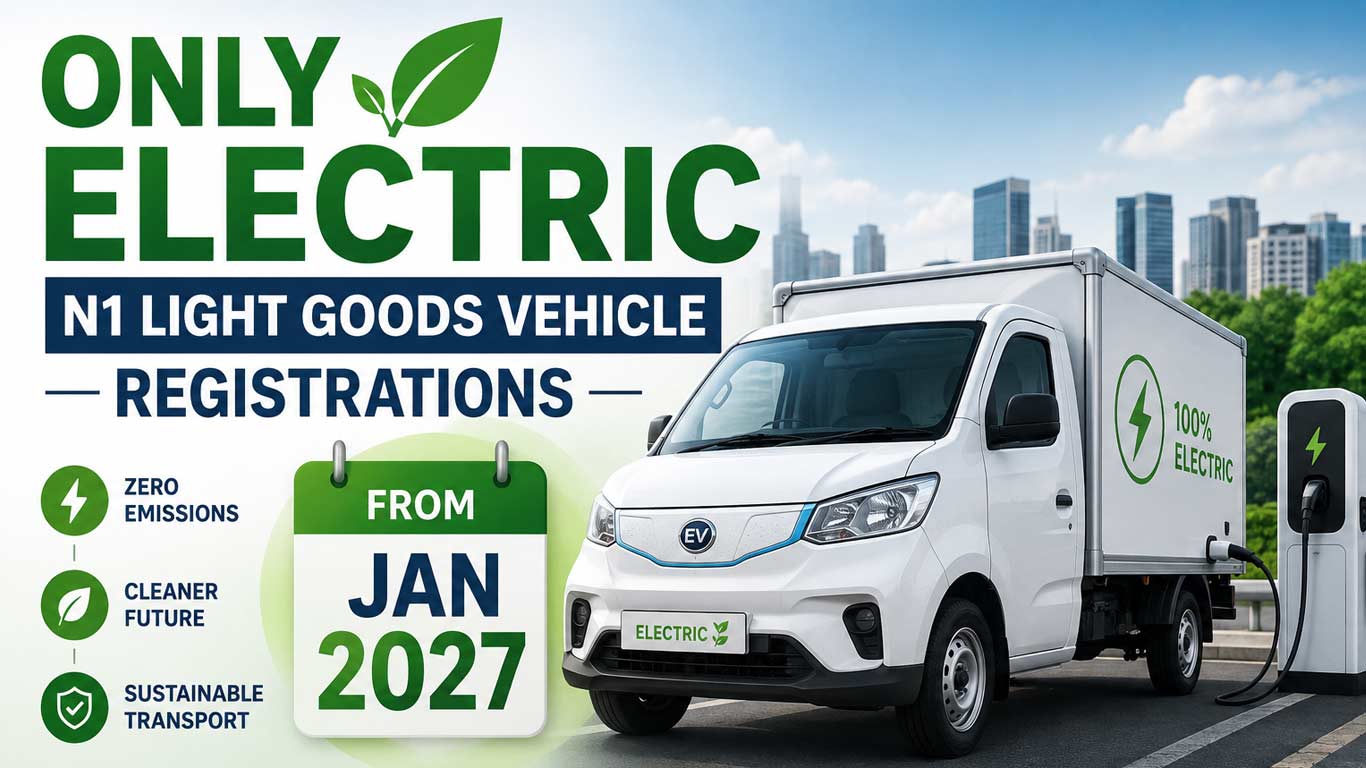
The policy mandates a hard stop on new Internal Combustion Engine (ICE) registrations in specific categories on fixed timelines. From 1 January 2027, no new petrol, diesel, or CNG registrations will be permitted for L-5 category auto-rickshaws and N-1 commercial goods carriers. From 1 April 2028, all new two-wheeler registrations in Delhi must be electric.
Scrappage Incentives
Over Rs 1,500 crore has been earmarked for scrappage incentives to accelerate the removal of older polluting vehicles. Owners scrapping an ICE vehicle to purchase an EV will receive Rs 1 lakh for four-wheelers, Rs 25,000 for three-wheelers, Rs 10,000 for two-wheelers, and Rs 50,000 for N-1 commercial trucks.
The first 1,000 heavy-duty N-2 electric trucks — in the 3.5 to 12-tonne category — purchased within three months of the policy notification will receive a 10-year exemption from Delhi's No Entry restrictions, an incentive aimed at accelerating electrification of freight vehicles, a primary driver of winter smog.
School fleet operators must electrify 10 per cent of their vehicles within two years, 20 per cent by year three, and reach 30 per cent electrification by March 2030.
Industry Opinion
Federation of Indian Micro and Small & Medium Enterprises (FISME) President Rakesh Chhabra said, “The new EV policy, which offers full road tax waiver and up to Rs 1 lakh incentive for scrapping an ICE vehicle to buy an EV, is expected to boost adoption by drawing greater consumer interest, with a more lasting impact on pollution than measures like the odd-even scheme.”
He added that the planned phase-out—ending registration of new three-wheelers from Jan 1, 2027, and allowing only electric two-wheelers from April 1, 2028—will further strengthen these gains.
Rajeev Juneja, President, PHDCCI, noted that the policy positions clean mobility as a key driver of Delhi’s economic growth and sustainable urban development, adding that greater policy certainty will improve the investment climate, accelerate EV innovation, expand domestic manufacturing, and generate jobs across the ecosystem, while aligning with India’s broader push for globally competitive manufacturing under the Make in India initiative.
(KNN Bureau)




 Loading...