WPI Inflation Eases To 9.78%, But Manufacturing Input Costs Remain Elevated: PHDCCI
Updated: Aug 14, 2026 03:54:36pm

WPI Inflation Eases To 9.78%, But Manufacturing Input Costs Remain Elevated: PHDCCI
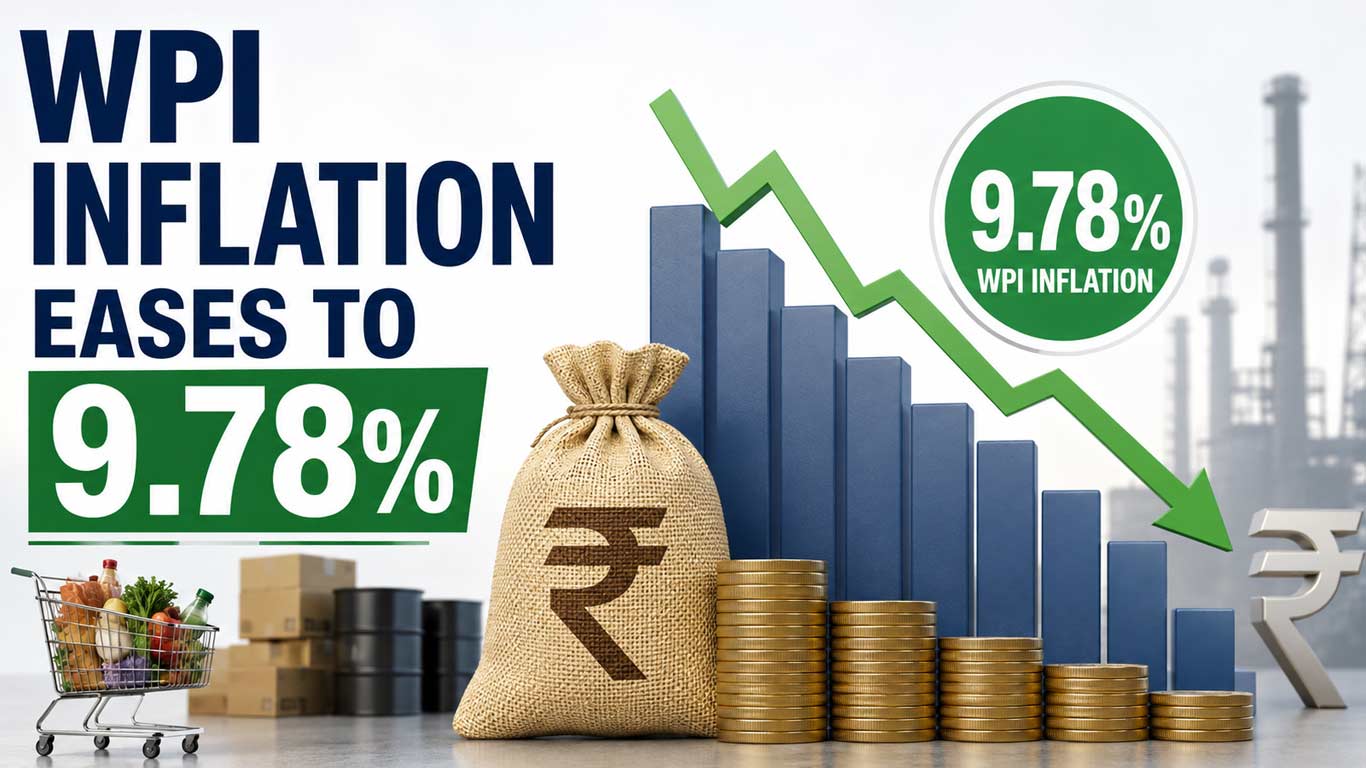
New Delhi, Aug 14 (KNN) Wholesale Price Index (WPI) inflation eased marginally to 9.78 percent in July 2026, from 9.87 percent in June, according to an analysis by PHD Chamber of Commerce and Industry (PHDCCI).
The 9-basis-point moderation was primarily driven by a decline in fuel and power inflation, which fell to 20.05 percent in July from 27.41 percent in June.
Fuel And Power Inflation Drives Marginal WPI Moderation
The decline in fuel and power inflation provided the main relief to overall wholesale price pressures in July.
However, inflation remained elevated across several manufacturing inputs, keeping cost pressures on businesses high.
Manufacturing Continues To Face Cost Pressures
Manufacturing inflation stood at 8.29 percent in July, with prices of chemicals and chemical products rising 13.12 percent amid supply constraints for crude oil feedstock.
Inflation in basic metals and electrical equipment stood at 12.56 percent and 12.34 percent, respectively. PHDCCI attributed the increase partly to higher demand for renewable energy equipment and components.
PHDCCI President Rajeev Juneja said the manufacturing sector continued to face elevated input costs, while the recent neutral monetary policy stance could support manufacturers through stable borrowing costs.
Food And Primary Articles Add To Inflationary Pressure
Inflation in primary articles stood at 8.52 percent in July, while food articles recorded inflation of 5.44 percent.
PHDCCI said expectations of below-normal monsoon rainfall, at less than 94 percent of the Long Period Average, could affect agricultural output and contribute to higher prices of existing stocks. Inflation in manufactured food products rose to 8.89 percent during the month.
Global Commodity Prices And Weather Remain Key Risks
Dr Ranjeet Mehta, CEO and Secretary General, PHDCCI, said the near-term outlook remained one of elevated but potentially moderating wholesale inflation.
He identified renewed increases in global crude and commodity prices, continued metal and chemical price pressures and weather-related disruptions to food supplies as key risks.
Easing energy costs, improved domestic supply conditions and moderation in input prices could, however, support a gradual decline in WPI inflation, he added.
(KNN Bureau)








 Loading...