Gold Price Surge Distorts Core Inflation Signals Even As CPI Falls: Crisil
Updated: Jun 19, 2025 03:24:19pm

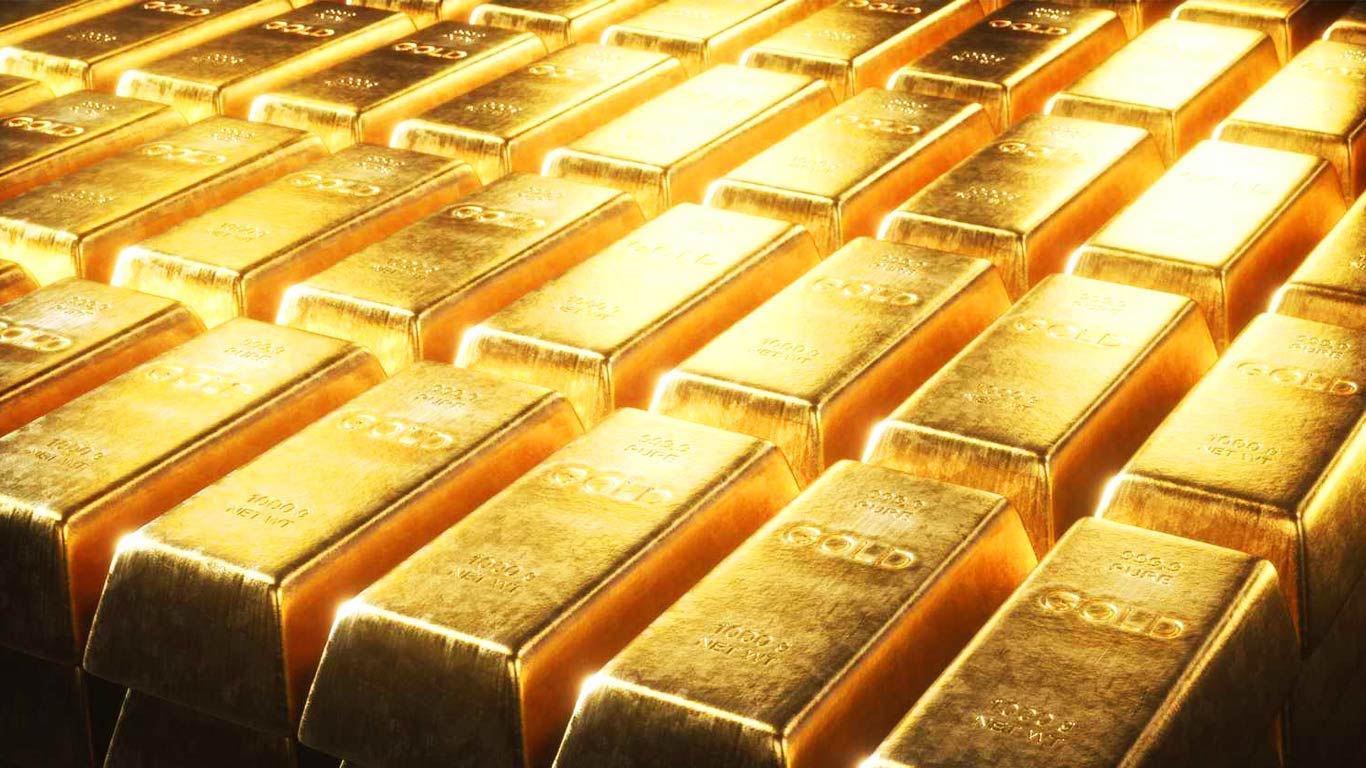
Gold Price Surge Distorts Core Inflation Signals Even As CPI Falls: Crisil
New Delhi, Jun 19 (KNN) India’s core retail inflation has risen steadily for four consecutive months, primarily driven by a surge in global gold prices, even as headline inflation—measured by the Consumer Price Index (CPI)—eased to a 75-month low of 2.8 percent in May, according to a report released by rating agency Crisil on Wednesday.
The report, Gilded Distortion: How the Price of Gold is Affecting Core Inflation Signals, attributes the recent rise in core inflation—which excludes volatile food and fuel prices—to global factors rather than domestic demand.
The analysis notes that core inflation rose by 111 basis points year-on-year to 4.2 percent in May 2025.
While most sub-categories within core inflation witnessed moderation, five segments—gold, mobile tariffs, travel and transport, toiletries, and silver—recorded inflationary pressures.
Among these, gold showed the sharpest price increase, with average inflation rising to 24.7 percent in FY2025 from 15.1 percent in FY2024.
Despite having a modest 2.3 percent weight in the core inflation index, gold accounted for 17 percent of the core inflation uptick over the 12-month period ending May 2025.
Crisil argued that this outsized impact from gold calls into question the effectiveness of including the metal in core inflation measurements, particularly during periods of heightened global uncertainty.
“Gold prices are increasingly being driven by safe-haven investment demand across the world, rather than domestic consumption,” the report stated.
The economists proposed that gold be excluded from core inflation calculations, akin to food and fuel, to better isolate underlying domestic price pressures.
“One of the fundamental purposes of core inflation is to strip out noise from headline inflation caused by volatile or transitory price movements,” the authors noted, pointing out that gold has displayed greater volatility than both food and fuel over the past decade.
Based on data from FY2016 to FY2025, Crisil estimated inflation volatility in gold at 12, compared to 4.5 for fuel and 3.6 for food.
The report emphasised that while household demand for gold jewellery in India remains strong, it is the global financial investment demand—led by central banks and exchange-traded funds—that increasingly influences gold prices.
Internationally, central banks such as the US Federal Reserve, Bank of England, European Central Bank, and Bank of Japan include gold in their core inflation calculations, typically under jewellery.
However, these economies assign the metal a significantly lower weight—below 1 percent—limiting its impact on their inflation metrics.
In contrast, India’s relatively higher weight for gold in core inflation calculations risks distorting the interpretation of domestic demand-driven price pressures, particularly at times of global financial turbulence.
(KNN Bureau)







 Loading...