Govt and Industry To Push Back Against Proposed US Tariffs Over Forced Labour Allegations
Updated: Jul 04, 2026 11:31:39am

Govt and Industry To Push Back Against Proposed US Tariffs Over Forced Labour Allegations
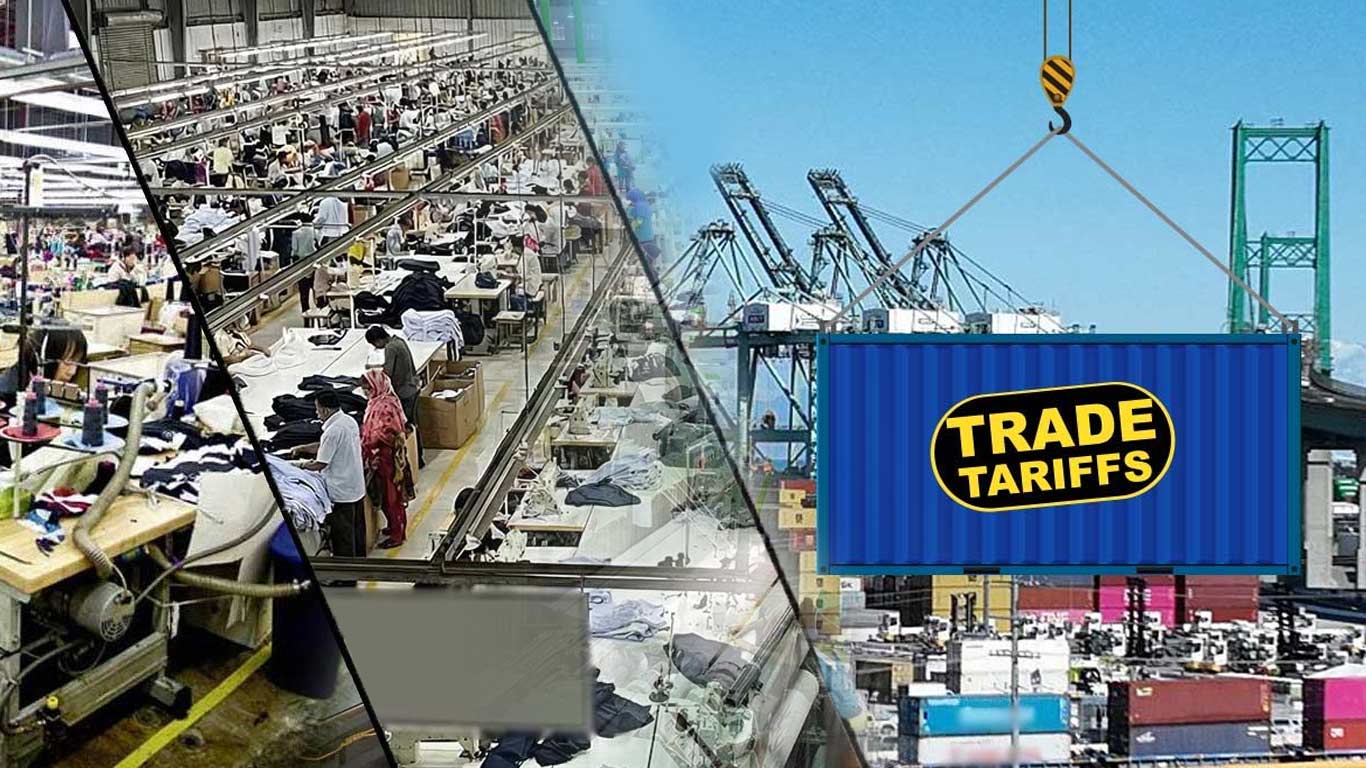
New Delhi, Jul 4 (KNN) India will contest the United States’ proposed tariffs on its exports at a public hearing next week, arguing that the findings related to forced labour are legally flawed and could adversely impact American businesses and consumers.
Officials from the commerce ministry, along with industry bodies including Agricultural and Processed Food Products Export Development Authority (APEDA), Federation of Indian Chambers of Commerce and Industry (FICCI), Confederation of Indian Industry (CII) and Automotive Component Manufacturers Association (ACMA), are scheduled to present India’s position before the Office of the United States Trade Representative (USTR) on July 8.
India is expected to argue that the proposed tariffs could disrupt established trade flows and have broader implications for supply chains, even as discussions continue through formal channels.
India Disputes Legal Basis of Findings
In its written submissions, India has maintained that the US assessment does not adequately reflect its domestic legal framework, which includes statutory safeguards, institutional oversight and ongoing policy efforts to address vulnerabilities related to forced labour, PTI reported.
Industry groups have also pushed back against the proposed action. CII argued that India’s policy regime does not qualify as ‘unreasonable’ or ‘discriminatory’ under the relevant provisions of US trade law, while asserting that constitutional and legal safeguards prevent the use of forced labour.
Industry Highlights Compliance Standards
FICCI stated that Indian export supply chains serving the US market operate under established compliance systems, including traceability, supplier due diligence and independent audits.
ACMA noted that the sector is largely organised and technology-driven, with adherence to labour and regulatory standards forming a core part of its operations.
Other industry groups, including exporters from the spices and processed food segments, have also submitted responses to the US authorities.
Background to Tariff Proposal
The development follows a proposal by the US to impose an additional 12.5 per cent duty on certain Indian goods under Section 301 of the Trade Act of 1974, citing concerns related to forced labour. The provision allows the US to investigate and take unilateral trade action against what it considers unfair foreign trade practices.
(KNN Bureau)








 Loading...