India Must Rethink Digital Trade Policy After WTO E-Commerce Moratorium Lapses: ICRIER
Updated: Jul 04, 2026 11:23:24am

India Must Rethink Digital Trade Policy After WTO E-Commerce Moratorium Lapses: ICRIER
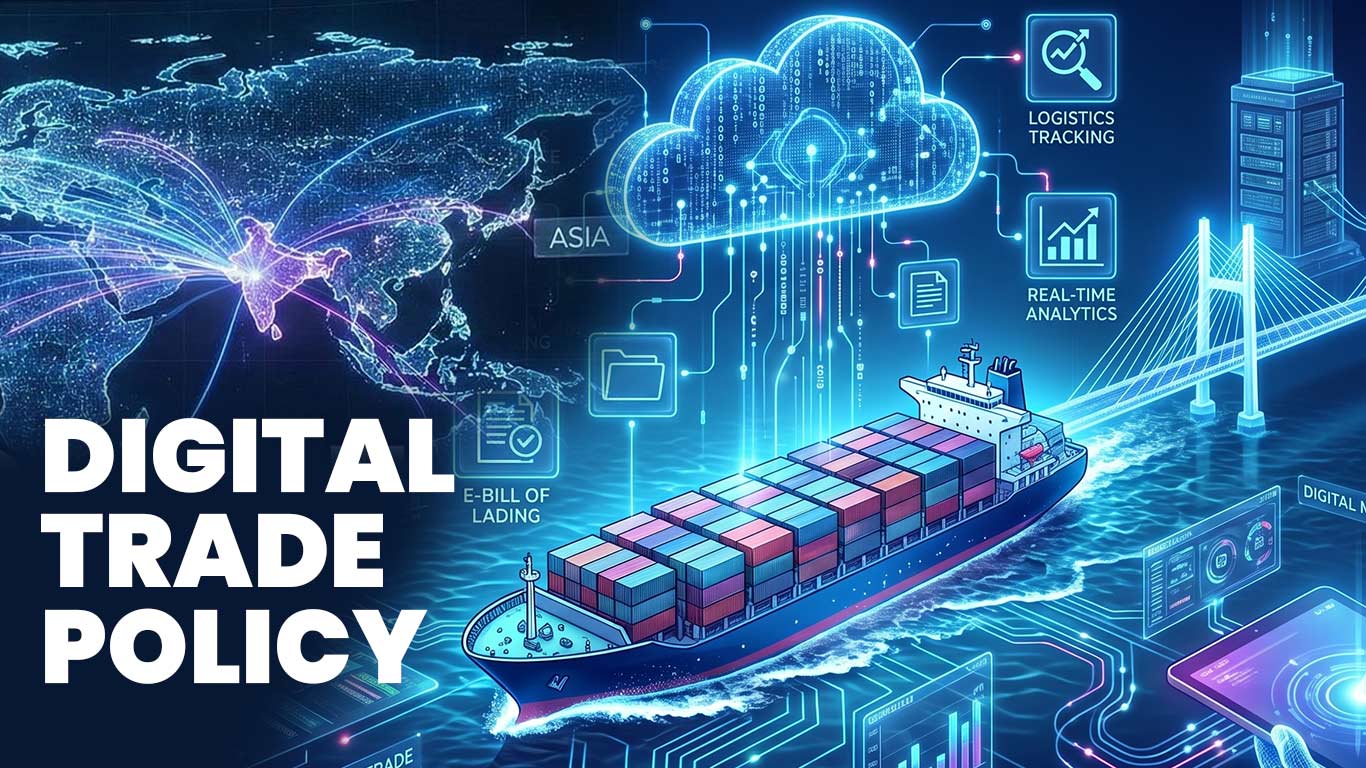
New Delhi, Jul 4 (KNN) India should revisit its position on the World Trade Organization’s (WTO) moratorium on customs duties on electronic transmissions and take a more proactive role in shaping global digital trade rules, according to a policy brief by the Indian Council for Research on International Economic Relations (ICRIER).
The recommendation follows the lapse of the long-standing WTO moratorium on March 31, 2026, after members failed to reach consensus at the 14th Ministerial Conference (MC14) in Yaoundé, Cameroon. Introduced in 1998 and renewed repeatedly over 27 years, it had barred customs duties on electronic transmissions.
The breakdown of negotiations — driven largely by differences between major economies, including the United States and Brazil, alongside disputes on agriculture — also led to the collapse of the WTO’s Work Programme on Electronic Commerce, the primary multilateral platform for digital trade discussions.
Shift in India’s Position
The ICRIER brief noted that India, traditionally cautious about extending the moratorium due to concerns over tariff revenue loss and regulatory flexibility, supported an extension until 2030 at MC14. However, this support was conditional on alignment with discussions under the WTO’s TRIPS framework on non-violation complaints.
Despite this shift, negotiations failed to yield consensus, marking the first lapse of the moratorium since its inception.
Fragmented Global Digital Trade Landscape
In the aftermath, a group of WTO members accounting for a significant share of global trade moved ahead with interim arrangements to maintain duty-free electronic transmissions among themselves. Countries including the United States, United Kingdom, Japan, Singapore, and Switzerland have committed to such frameworks, raising concerns of a fragmented global digital trade regime.
India, not part of these arrangements, risks facing less favourable treatment in key export markets.
High Stakes for India’s Digital Economy
The report underscored India’s growing dependence on digitally delivered services (DDS), noting that the country was the world’s fourth-largest exporter in this segment in 2025, with exports estimated at USD 328 billion. India has maintained a consistent trade surplus in DDS since 2005, driven largely by computer and business services.
With over 2,100 Global Capability Centres generating around USD 100 billion in revenue, ensuring frictionless digital trade flows has become a critical policy priority.
Rethinking Policy Priorities
ICRIER argued that the benefits of expanding digital exports now outweigh concerns over foregone tariff revenues. It noted that India has already reduced customs duties on many digital products to zero and is increasingly aligning with global digital trade norms through its free trade agreements.
The brief also highlighted that domestic taxation tools such as GST and VAT offer more efficient alternatives to border tariffs for taxing digital transactions.
Key Recommendations
The think tank recommended that India engage with Brazil’s proposal for a permanent WTO Committee on Digital Trade, assess the costs and benefits of joining the proposed plurilateral WTO E-Commerce Agreement (expected by mid-2027), and hold wider industry consultations before finalising its stance on emerging digital trade frameworks.
It stressed that India’s evolving trade profile and deeper integration into global digital markets require a more forward-looking approach.
(KNN Bureau)




 Loading...