No Direct Fuel Exports to Russia; Indian-Origin Supplies May Route via Traders: Minister Puri
Updated: Jul 03, 2026 04:36:49pm

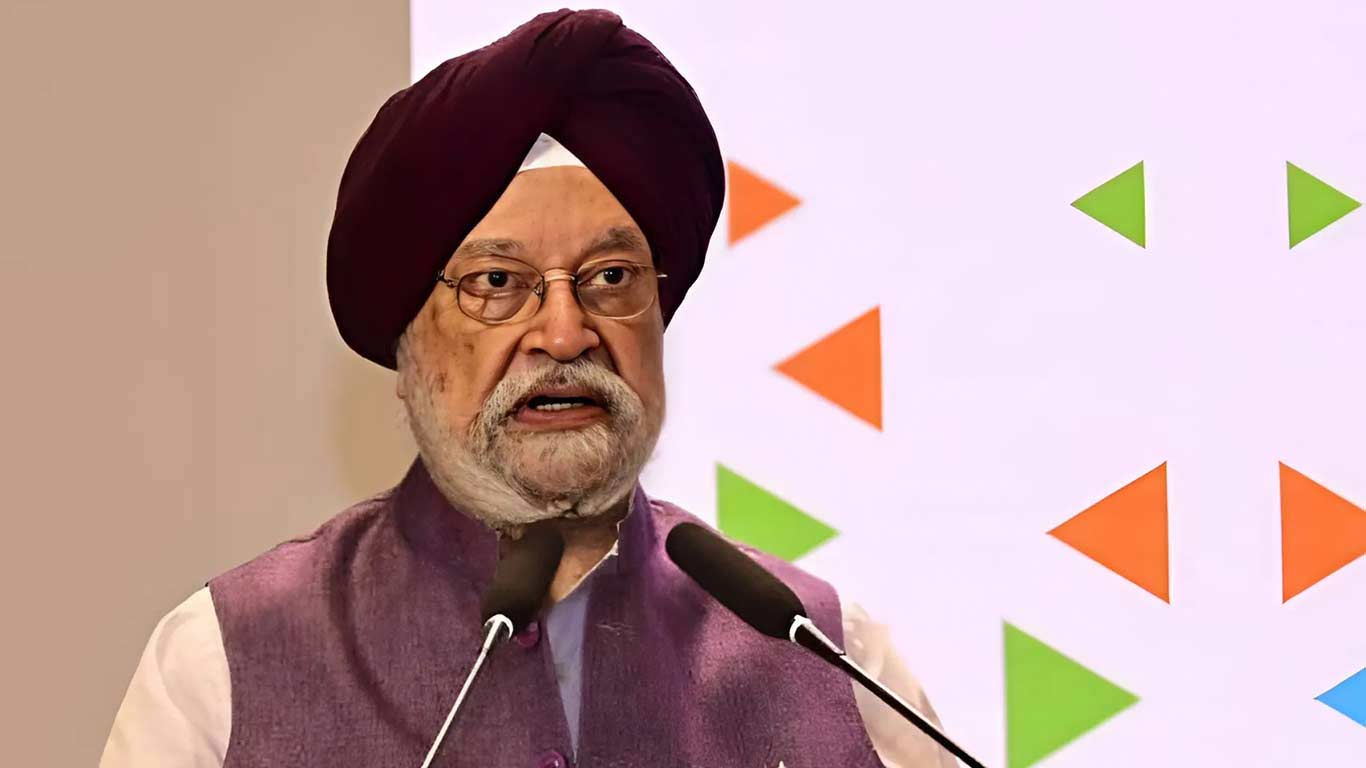
No Direct Fuel Exports to Russia; Indian-Origin Supplies May Route via Traders: Minister Puri
New Delhi, Jul 3 (KNN) Union Minister of Petroleum and Natural Gas (PNG) Hardeep Singh Puri on Thursday clarified that Indian companies are not directly selling refined fuels to Russia, even as reports emerged that Moscow has begun importing Indian-origin gasoline to ease domestic fuel shortages.
"Indian companies are not selling fuels to Russia," Puri said, adding that it was “possible that Indian-origin refined fuel is sold to Russia via traders,” Reuters reported.
The clarification followed a Reuters report that Russia had begun seaborne imports of gasoline from India to bridge a widening supply gap.
Industry sources told the wire agency that at least 60,000 metric tonnes of gasoline had already been dispatched from India, with two tankers carrying between 30,000 and 40,000 tonnes each reported to have been sent.
Russia plans to import around 4 lakh tonnes of gasoline every month from multiple countries, including Belarus, according to a third industry source cited by Reuters.
Russia's summer gasoline consumption exceeds 1.10 lakh tonnes a day at seasonal peak demand. Fuel shortages have been reported across Russia's 11 time zones, leading to rationing, long queues at filling stations, and record-high gasoline prices. The Kremlin said earlier this week it was in contact with several countries to secure fuel imports at acceptable prices.
OMC Losses and Retail Price Outlook
Speaking separately, Puri said state-run oil marketing companies (OMCs) had incurred losses of Rs 74,781 crore by selling petrol, diesel, and LPG below cost for the period up to 30 June, as global crude oil prices surged during the West Asia conflict.
He noted that although international crude prices had eased in recent weeks, refiners were still processing crude purchased when prices were significantly higher, given that oil companies typically procure crude around two months in advance.
On the possibility of a reduction in retail petrol and diesel prices, Puri said the decision would depend on whether international crude prices remained at lower levels over the coming weeks.
Strategic Oil Reserves and Energy Preparedness
Puri said India plans to expand its strategic oil preparedness by building larger crude inventories, increasing storage capacity, and strengthening supply partnerships to cushion the economy against future geopolitical shocks and oil price volatility.
Asked about the risk of another crude price spike following the recent Iran conflict, the minister said the government was focused on preparedness rather than alarm. "I'm not worried about it, but I have to prepare for it," he said.
(KNN Bureau)





 Loading...