Chinese Investment Restrictions To Stay As India Seeks Mutual Trust: CEA
Updated: Feb 12, 2025 02:01:42pm

Chinese Investment Restrictions To Stay As India Seeks Mutual Trust: CEA
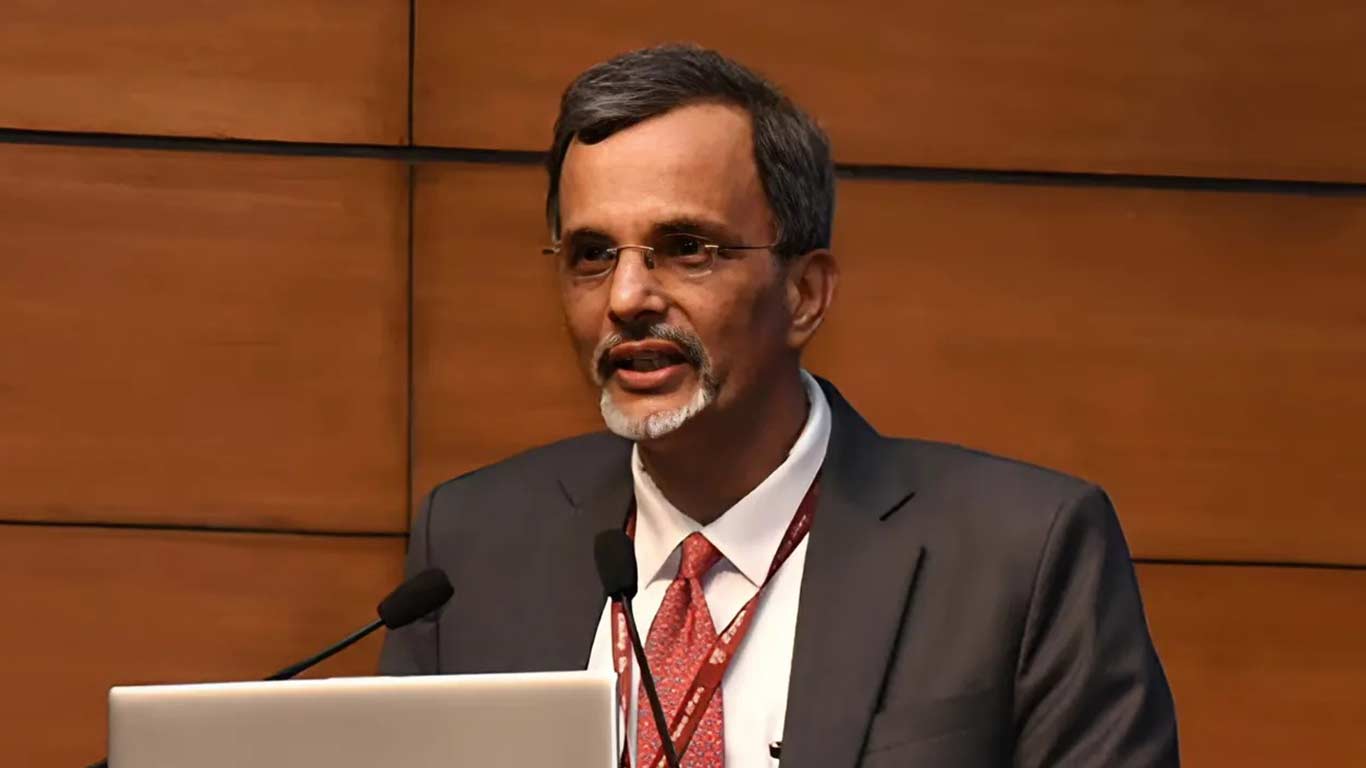
New Delhi, Feb 12 (KNN) India's Chief Economic Adviser V Anantha Nageswaran indicated on Tuesday that restrictions on Chinese investments are likely to remain in place as both nations work to establish mutual trust.
Speaking at the Indian Venture and Alternate Capital Association Conclave 2025 in Mumbai, Nageswaran emphasised that lifting these restrictions would require time and mutual understanding between the two countries.
The investment restrictions were implemented by the Indian government in 2020 following military conflicts between Indian and Chinese forces in the Galwan Valley. These measures specifically targeted investments from countries sharing land borders with India.
When asked about potentially easing these restrictions, as suggested in a previous Economic Survey, Nageswaran stressed the importance of ensuring mutual benefits for both nations, questioning whether China views investment in India as equally advantageous.
Addressing India's economic outlook, Nageswaran highlighted the country's consistent growth rate of 6.5 to 7 percent, noting its unique position in the global economy.
He emphasised India's demographic advantage, which he projected would continue for the next 15-20 years, and praised the resilience of Indian capital markets despite the rupee's average annual depreciation of 3 percent due to inflation differentials.
However, Nageswaran also expressed caution about global economic trends, suggesting that the trade and investment flows witnessed in previous decades might not persist.
He attributed this to higher structural inflation and tighter financial conditions compared to the low-interest-rate environment of the past decade.
The CEA also emphasised the need for a structured regulatory approach in India's financial sector, considering the country's size and financial literacy levels.
Regarding energy policy, Nageswaran warned against rushing the transition to non-fossil fuels, stating that energy security must remain a priority.
He pointed to the recent opening of the nuclear energy sector to private participation as a significant development while advocating for a pragmatic approach to energy transition. The CEA cautioned that a premature shift could lead to supply disruptions and increased capital costs.
While discussing economic development, Nageswaran stressed the importance of maximising domestic financial growth while reducing compliance burdens for enterprises and households.
He noted that successful economic development historically has been linked to a thriving small and medium enterprise sector, suggesting this should remain a key focus area for India's economic strategy.
(KNN Bureau)






 Loading...