India-EU Trade Talks Face Hurdles Over Environmental Rules And CBAM: GTRI
Updated: Mar 10, 2025 02:29:52pm

India-EU Trade Talks Face Hurdles Over Environmental Rules And CBAM: GTRI
New Delhi, Mar 10 (KNN) The European Union's stringent environmental regulations have become a significant obstacle in ongoing trade negotiations with India, according to a report released Sunday by the Global Trade Research Initiative (GTRI).
The think tank specifically highlighted the EU's carbon tax, deforestation rules, and supply chain due diligence laws as problematic areas.
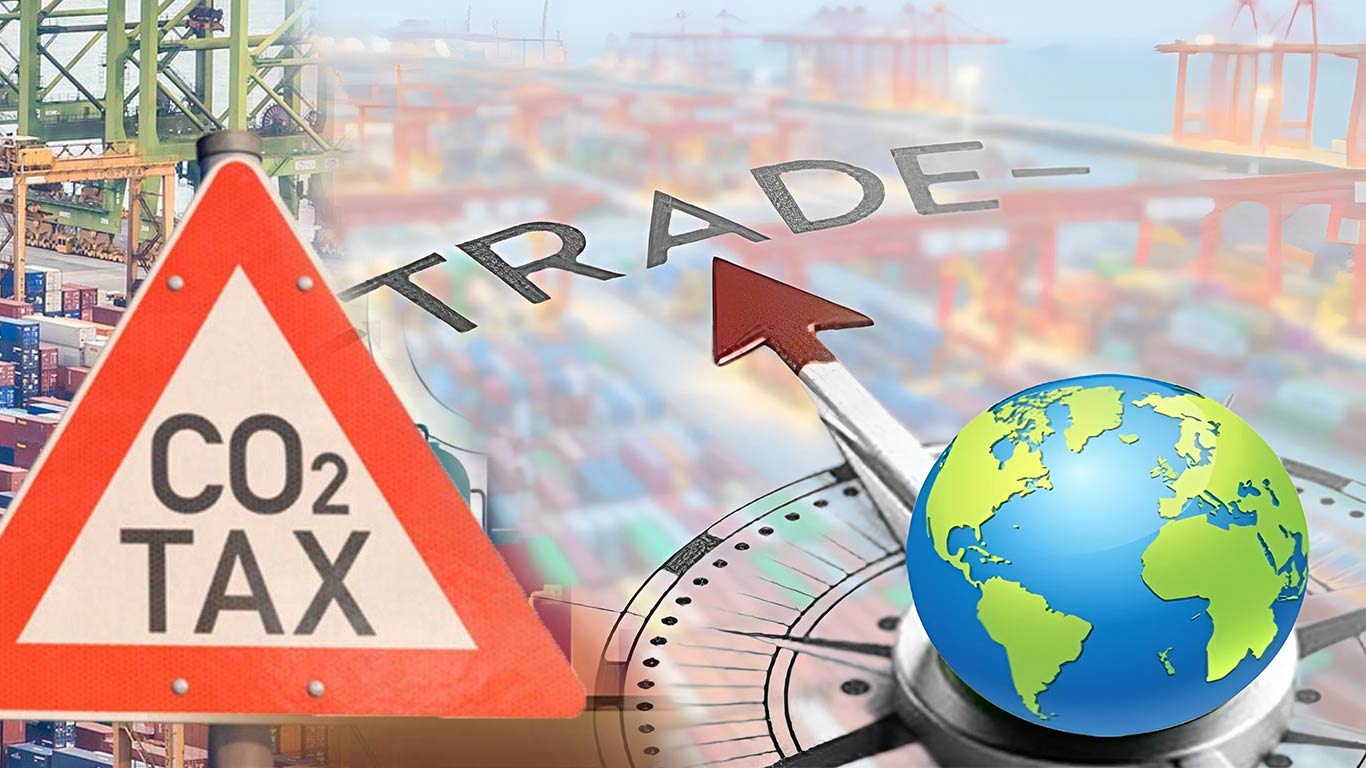
The Carbon Border Adjustment Mechanism (CBAM) could potentially impose tariffs of 20-35 percent on Indian exports of steel, aluminium, and cement to the EU, even if a free trade agreement (FTA) is reached.
This has raised concerns that while European goods would enter India duty-free under an FTA, Indian exports would continue to face these indirect barriers when entering European markets.
As the tenth round of negotiations for the proposed FTA commences Monday in Brussels, GTRI Founder Ajay Srivastava noted that India is advocating for explicit exemptions or compensatory measures within the agreement to offset the impact of CBAM and related environmental regulations.
"Without such provisions, India fears that EU's climate policies could act as disguised trade barriers, limiting its ability to export to Europe," Srivastava stated.
The services sector presents additional challenges, with the EU imposing restrictions on remote online service delivery by requiring Indian companies to establish local offices and maintain high minimum salary thresholds for Indian professionals working in Europe.
India has also requested recognition as a 'data secure country' under the General Data Protection Regulation (GDPR), which would reduce compliance costs and legal barriers for Indian companies handling EU citizens' data.
Regarding professional mobility, India has called for easier business visa processes for its professionals traveling to the EU for short-term assignments and seeks recognition of professional qualifications through Mutual Recognition Agreements.
Meanwhile, European firms are pursuing greater access to India's banking, legal, accountancy, auditing, and financial services sectors.
The EU's push for access to India's government procurement market has met resistance, as India views this sector as crucial policy support for small firms in infrastructure, defence, and public services.
Similarly, in investment negotiations, India has proposed its Model Bilateral Investment Treaty as the framework, while the EU seeks relaxation of investment protection clauses.
Intellectual property remains another contentious area, with the EU pressing for provisions beyond the WTO's Trade-Related Aspects of Intellectual Property Rights Agreement.
India resists these demands, concerned they could increase the cost of life-saving drugs and restrict its generic drug industry. The EU also seeks automatic recognition of certain European Geographical Indications without going through India's standard verification process.
Despite these challenges, the India-EU agreement holds significant potential to boost trade and investment between the two partners. The EU, with a GDP of USD 18.4 trillion and a population of 448 million, conducts global trade worth over USD 5.5 trillion annually.
India, with a USD 3.9 trillion economy and a population of 1.4 billion, reported exports of USD 437 billion and imports of USD 678 billion in fiscal year 2024.
(KNN Bureau)







 Loading...


