India Should Adopt Dual-Track Approach To US Agricultural Trade: NITI Aayog
Updated: Jun 04, 2025 02:56:28pm

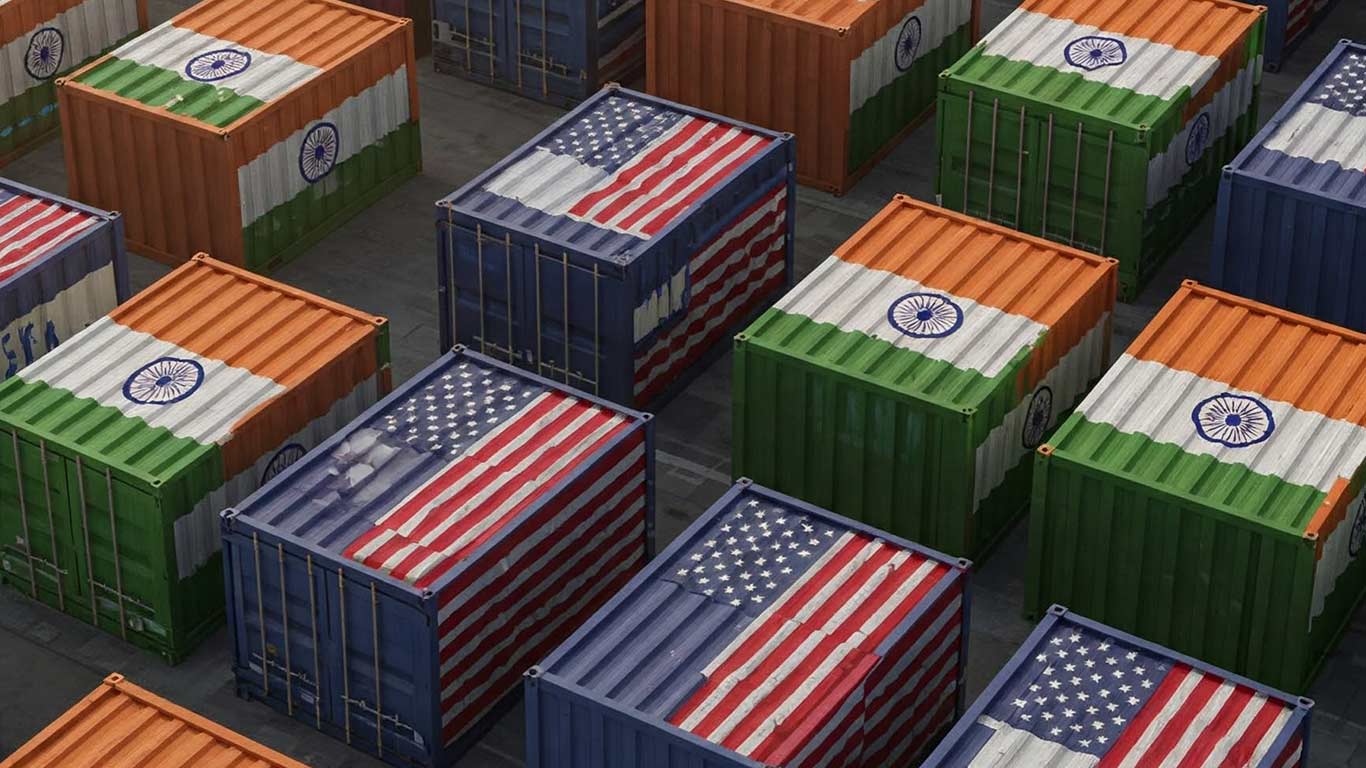
India Should Adopt Dual-Track Approach To US Agricultural Trade: NITI Aayog
New Delhi, Jun 4 (KNN) A new NITI Aayog working paper has outlined a comprehensive strategy for India's agricultural trade relationship with the United States, recommending a two-pronged approach following the implementation of reciprocal tariffs by the US administration.
The study, titled ‘Promoting India-US Agricultural Trade Under the New US Trade Regime,’ proposes selective tariff reductions on non-critical agricultural imports while strategically extending concessions in sectors where domestic production capacity remains insufficient.
The working paper emphasises the need for protective measures within India's agricultural sector to maintain price stability for both producers and consumers, shielding them fr0m volatile international market fluctuations.
The document advocates for a dual-track strategy that balances trade liberalisation with domestic market protection, particularly in sensitive agricultural segments.
According to the analysis, the announcement of reciprocal tariffs and enhanced market access for American exports following President Donald Trump's inauguration in January 2025 has generated considerable economic uncertainty among US trading partners globally.
The paper suggests that India should consider selective reduction of high tariffs on non-sensitive imports while negotiating non-tariff safeguards for vulnerable sectors, including poultry.
The study identifies specific opportunities for strategic trade concessions in areas where India faces production shortfalls, particularly in edible oils and nuts.
Given India's position as the world's largest edible oil importer and the United States' substantial production surplus in genetically modified soybeans, the paper proposes that India could extend import allowances for US soybean oil.
This approach would address American export requirements while reducing trade imbalances and protecting domestic production interests.
The working paper also recommends that India pursue enhanced market access in the United States for its competitive agricultural exports, including shrimp, fish, spices, rice, tea, coffee, and rubber.
India currently generates approximately USD 5.75 billion annually fr0m agricultural exports to the United States, and the study suggests incorporating duty exemptions or tariff rate quotas in trade negotiations to expand this figure.
Beyond immediate trade policy adjustments, the document calls for medium-term structural reforms to enhance the international competitiveness of India's agricultural sector.
These recommendations include addressing productivity gaps through appropriate technology adoption, implementing market reforms, encouraging private sector participation, improving logistics infrastructure, and developing competitive value chains.
The agricultural trade relationship between India and the United States has demonstrated significant evolution and consistent growth over the past two decades, reflecting strengthening bilateral economic ties.
Trade pattern analysis reveals that both countries are diversifying their export portfolios, with traditional products like frozen shrimp, basmati rice, and spices maintaining their prominence while processed cereals and other value-added products show notable growth.
Indian imports fr0m the United States primarily consist of premium products, including almonds, pistachios, and walnuts. India maintains a positive agricultural trade balance with the United States, which has expanded progressively over time.
However, agriculture's relative share in overall bilateral trade has been declining, indicating the growth of other sectors in the economic relationship between the two nations.
(KNN Bureau)








 Loading...