MSMEs Demand Rationalisation Of Import Duty On Primary Aluminium
Updated: May 29, 2026 04:44:38pm

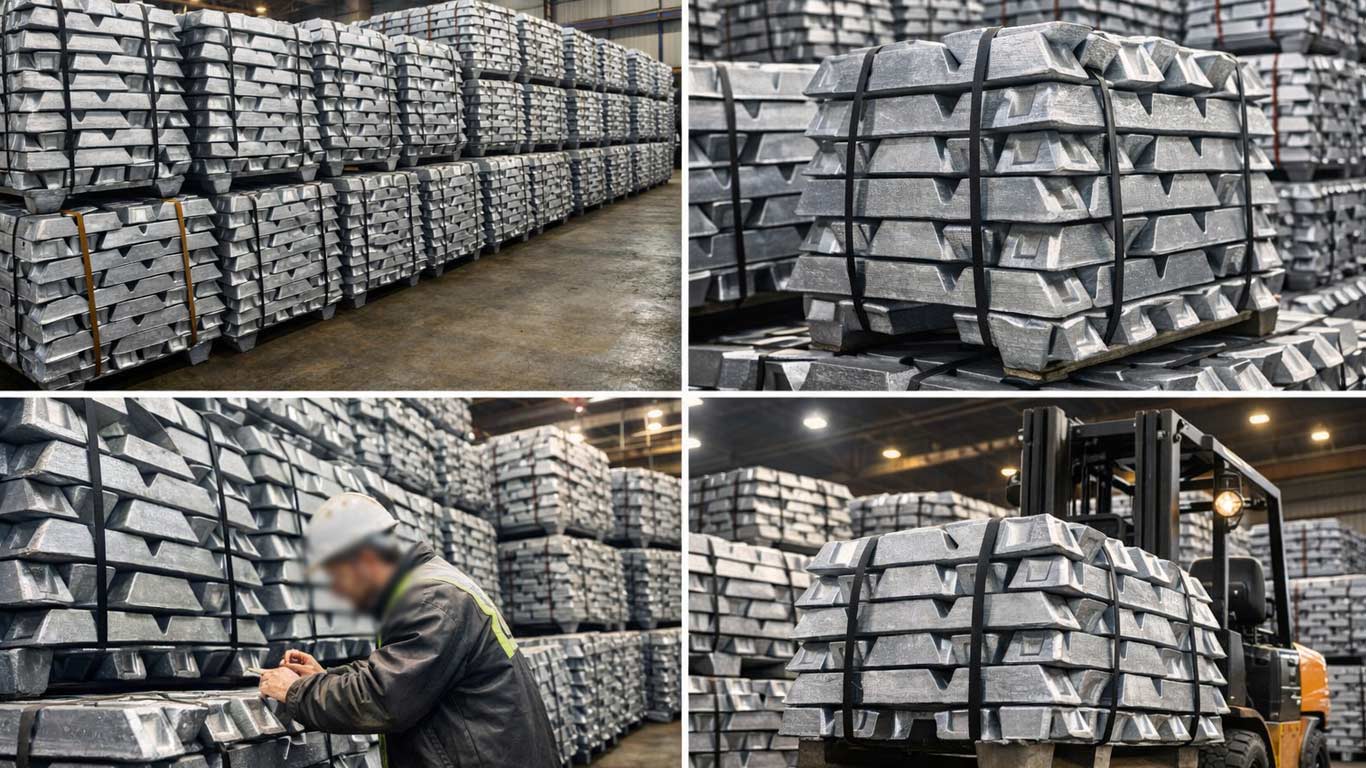
MSMEs Demand Rationalisation Of Import Duty On Primary Aluminium
New Delhi, May 29 (KNN) Facing mounting pressure due to rising raw material prices, supply-chain disruptions and elevated energy costs amid the ongoing West Asia conflict, India’s downstream aluminium industry, particularly MSMEs, has demanded rationalisation of import tariffs on primary aluminium.
Global aluminium markets remain under stress as the conflict has triggered volatility in London Metal Exchange (LME) prices and disrupted supply chains, resulting in significantly higher input costs for downstream user industries.
At present, India’s per capita aluminium consumption stands at around 2.2 kg compared with the global average of 11 kg, indicating substantial growth potential for the domestic sector as industrial demand rises.
MSMEs Seek Relief From Import Duties And Supply Disruptions
Downstream manufacturers have raised concerns over the 8.25 percent import tariff, including surcharge, on primary aluminium, stating that it has increased production costs for domestic manufacturers.
According to industry sources, domestic primary producers follow import-parity pricing, while finished aluminium products continue to enter India duty-free under various free trade agreements, placing downstream MSME manufacturers at a competitive disadvantage.
The industry has also highlighted disruptions in LPG and Piped Natural Gas (PNG) supplies, which are critical for aluminium extrusion operations. As a result, production in the sector has reportedly declined by 40-50 percent over the past two months.
Stakeholders noted that nearly 30 percent of India’s aluminium scrap imports are routed through West Asia, making MSME manufacturers particularly vulnerable to supply disruptions and higher raw material costs.
Exporters Face CBAM Compliance And Liquidity Challenges
In addition to input cost pressures, exporters in the aluminium value chain are also facing compliance burdens under the European Union’s Carbon Border Adjustment Mechanism (CBAM), which industry bodies said is disproportionately affecting midstream and downstream MSME manufacturers.
Liquidity stress has also emerged as a major concern, with many small manufacturers facing cash-flow disruptions and difficulties in servicing bank loans due to higher operating costs and supply constraints.
Industry participants have suggested measures such as temporary moratoriums on loan repayments, restructuring of term loans and force majeure relief for MSMEs affected by the ongoing disruptions.
Industry Calls For Long-Term Supply Chain And Energy Reforms
They further said rationalisation of import duties on primary aluminium could provide short- to medium-term relief by enabling competitive imports of raw materials and easing cost pressures across the downstream manufacturing ecosystem.
Industry stakeholders also called for long-term measures, including diversification of energy sources, strengthening domestic supply chains and exploration of critical minerals to improve sectoral resilience.
The discussions on the issue were recently held at a roundtable conference attended by Federation of Indian Micro, Small and Medium Enterprises (FISME), Aluminium Secondary Manufacturers Association (ASMA), Aluminium Extrusion Manufacturers Association of India (ALEMAI), India SME Forum and others.
(KNN Bureau)




 Loading...